Annual plumbing inspections help you detect problems before they become costly repairs. The most important checks include inspecting water pipes, pressure testing, checking drains, and checking visible pipes for leaks or corrosion. Regular plumbing inspections prevent water leaks, drainage problems, and pressure drops that can damage your property and increase your costs.
What plumbing problems are detected through regular annual inspections?
Annual plumbing inspections identify water leaks, drainage problems, rust damage, and pressure drops in the pipe system before they develop into major damage. These inspections help you detect early signs of problems that could otherwise cause extensive water damage and expensive repairs.
The most common problems detected include small leaks at connections and valves, which often start as damp spots or water stains. Rust on older metal pipes can be identified by discoloration or faint spots on the surface of the pipes. Pressure drops in the system are noticeable through weaker water flow from taps and showers.
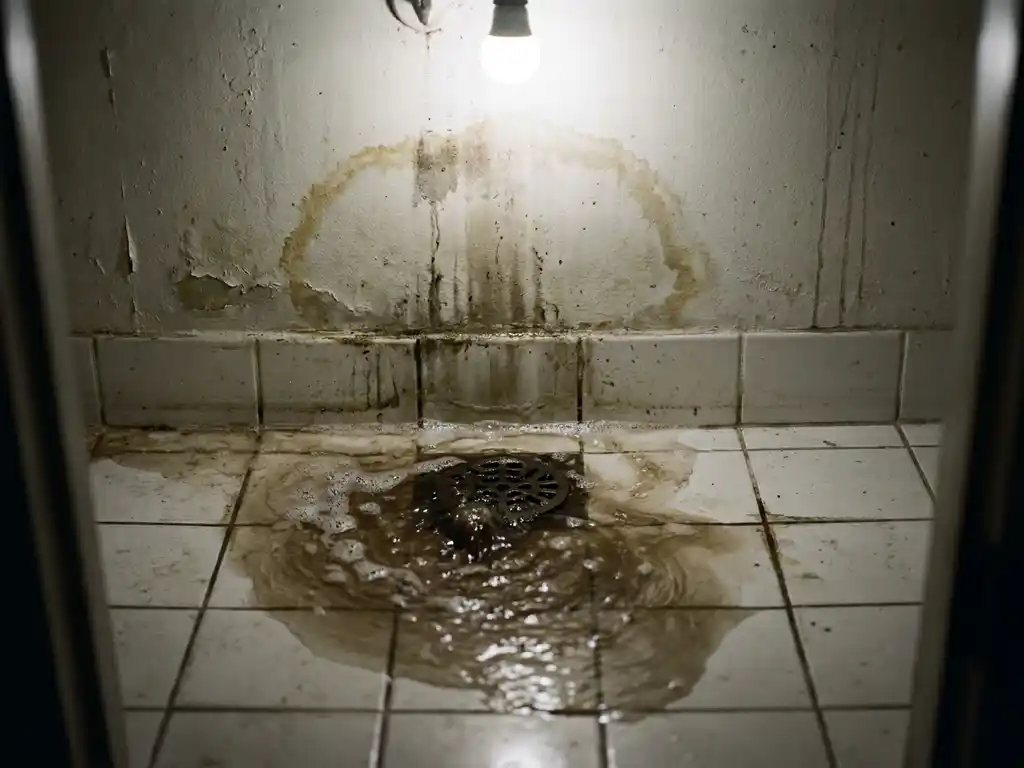
Drainage problems often manifest themselves as slow drainage, unpleasant odors, or gurgling noises from drains. By checking water traps and floor drains regularly, you can prevent minor problems from developing into serious blockages or flooding.
How do you check water pipes and pressure at home?
Start by checking the water pressure by opening all taps at the same time and noting whether the flow decreases noticeably. Then inspect visible pipes for leaks, corrosion, or moisture spots around connections and valves.
Systematically check all visible water pipes in basements, crawl spaces, and under sinks. Look for:
- Water stains or damp patches on walls and floors
- Rust or green patina on copper pipes
- Loose couplings or valves
- Inadequate insulation on pipes in cold spaces
Test the water pressure by filling a 10-liter bucket and measuring the time it takes. Normal filling time should be less than 30 seconds for good pressure. Also check that the insulation around pipes in colder areas is intact to prevent freezing during the winter.
What should be checked in the sewage system every year?
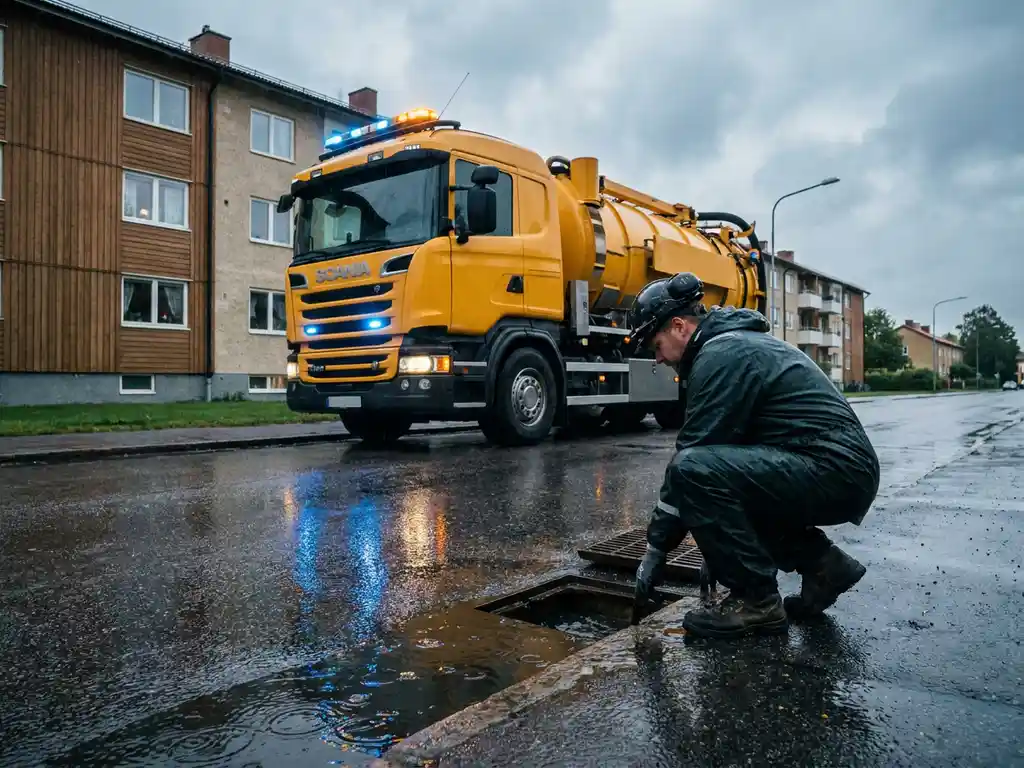
Flush all floor drains with water and check that the water traps are working properly by listening for gurgling sounds. Inspect visible drain pipes for leaks and check that drainage is working normally in all drains.
Your annual sewer checklist should include:
- Flushing floor drains with several liters of water to fill the water traps
- Checking the drainage speed in all sinks, showers, and bathtubs
- Inspection of visible drain pipes for cracks or leaks
- Smell test to identify problems with water traps
Look out for signs of poor drainage, such as slow drainage, gurgling noises, or recurring unpleasant odors. These may indicate blockages or ventilation problems in the drainage system that require professional attention.
When should you contact a professional HVAC technician?
Contact a professional technician when you discover water leaks, significantly reduced water pressure, recurring drainage problems, or signs of extensive corrosion. These problems require specialist knowledge and the right tools for safe repair.
Professional help is needed in the following cases:
- Visible water leaks where you cannot locate the source
- Significantly reduced water pressure throughout the property
- Recurring drain blockages despite cleaning
- Extensive rust or corrosion on water pipes
- Problems with water heaters or heating systems
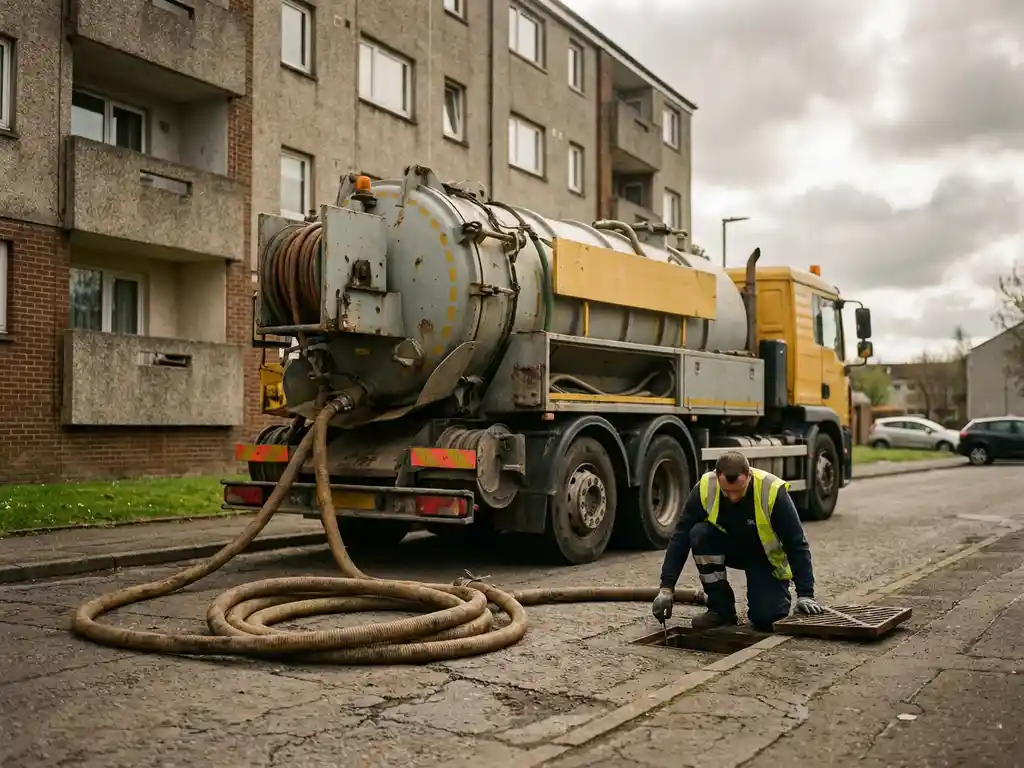
Qualified plumbing technicians have equipment for pressure testing, camera inspection of drains, and special tools for locating hidden leaks. They can also perform preventive maintenance and advise on when systems should be upgraded to avoid future problems.
How 24 Center helps with HVAC checks and maintenance
We offer professional plumbing inspections and maintenance services around the clock to ensure that your home or property is functioning optimally. Our qualified plumbers perform comprehensive inspections and address problems before they become costly repairs.
Our plumbing services include:
- Systematic annual inspections of water and sewage systems
- Pressure testing and leak detection with professional equipment
- Preventive maintenance of mixers, valves, and pipes
- Emergency service for water leaks and drainage problems
- Installation and replacement of plumbing components at fixed prices
Our local technicians are familiar with Swedish buildings and can quickly identify typical problems in different types of properties. We use modern equipment for camera inspection of sewers and precise localization of leaks.
Ring 020 74 24 70 för omedelbar hjälp med akuta VVS-problem eller boka en planerad kontroll online. Vi hjälper dig att underhålla ditt VVS-system proaktivt och löser problem snabbt när de uppstår.
Frequently asked questions
How often should plumbing inspections be carried out in addition to the annual inspection?
In addition to annual inspections, you should perform quick visual checks on a monthly basis, especially during the winter months. Check visible pipes for new leaks and listen for unusual noises coming from the drains. In older properties or after extreme weather, it may be wise to perform additional checks.
How much does it cost to have a professional perform an annual plumbing inspection?
A professional plumbing inspection usually costs between $200 and $400, depending on the size of the property and the complexity of the system. This is a small cost compared to the potential damage that can occur from undetected leaks or drainage problems, which can cost tens of thousands of dollars to repair.
Can I perform all plumbing checks myself, or do I always need a technician?
You can perform basic visual checks and simple tests yourself, as described in the article. However, pressure testing of the entire system, camera inspection of drains, and checking hidden pipes require professional equipment and expertise. Combine self-checks with professional inspections for best results.
What tools do I need to perform basic plumbing checks at home?
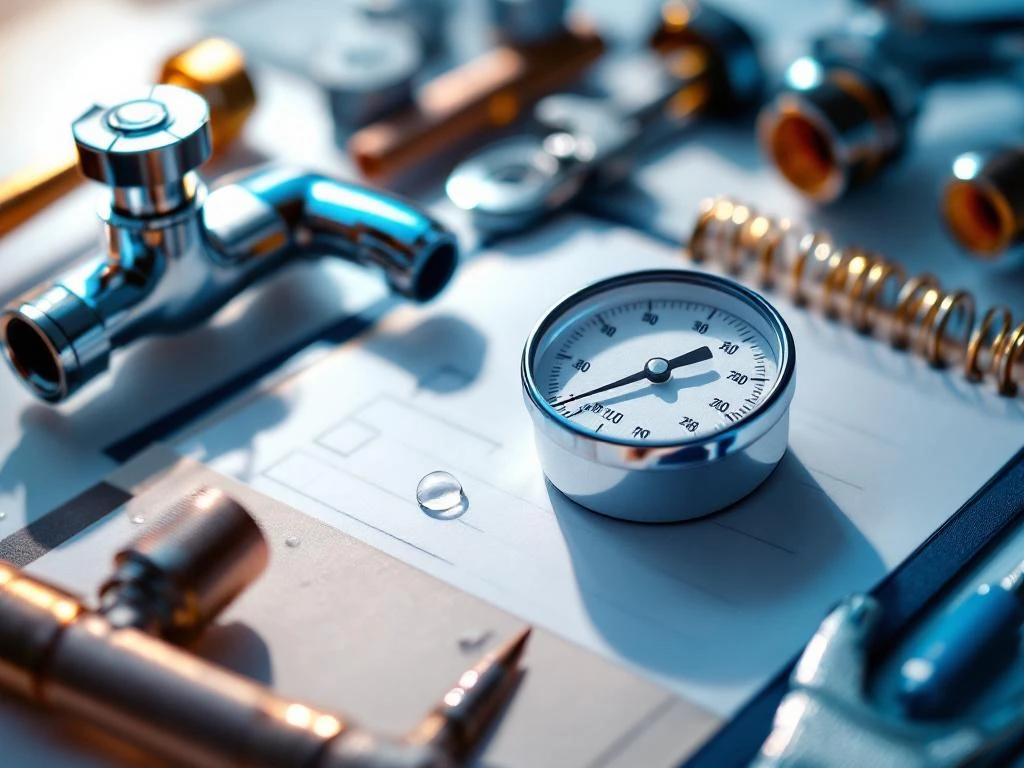
For basic checks, you will need a flashlight, tape measure or bucket for water pressure testing, and possibly a simple pressure gauge that shows the water pressure. Also have a notebook handy to document your observations and the dates of the checks so you can track developments over time.
How do I document my HVAC inspections to keep track of the system's condition?
Create a simple logbook where you note the date, what you have checked, and any observations. Take photos of suspected problem areas so you can compare them over time. Save receipts for repairs and maintenance—this will also help with insurance claims and increase the value of the property.
What should I do if I discover a minor leak during my inspection?
In the event of minor leaks, immediately shut off the water supply to the affected area and contact a plumber on the same day. Dry up any water and ventilate the area to prevent mold growth. Even minor leaks can quickly develop into major problems, so always act quickly, even if the damage appears to be minimal.