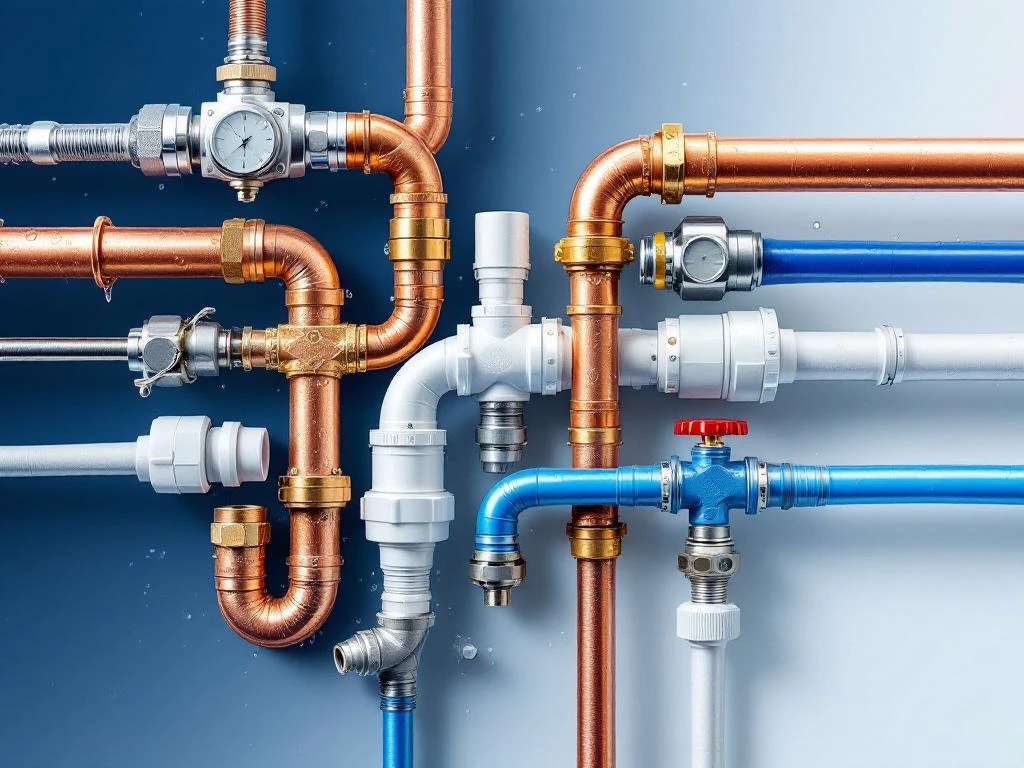
Modern plumbing systems use a mix of traditional and innovative materials to create sustainable piping systems. Copper pipes still dominate water pipes, while PEX plastic and polypropylene are becoming more common for their flexibility and ease of installation. Sewer pipes are mainly made of PVC and cast iron, depending on the application. The choice of material affects both the lifetime of the system and maintenance needs.
What materials are most commonly used in modern water pipes?
Copper pipes is the most widely used material for water pipes in Sweden, followed by PEX plastic and polypropylene. Copper offers excellent durability and antibacterial properties, while plastic materials provide flexibility and cost-effective installation.
Copper pipes have been used in plumbing for over 100 years and are considered the gold standard for water pipes. The material can withstand high temperatures and pressures, making it ideal for both hot and cold water pipes. Copper also has natural antibacterial properties that prevent bacterial growth in the pipes.
PEX plastic (cross-linked polyethylene) has become very popular for its flexibility and ease of installation. The material can be bent around corners without couplings, reducing the risk of leakage.
Polypropylene is mainly used in large installations and commercial buildings. The material offers excellent chemical resistance and long service life. Polypropylene pipes can be welded, creating strong and tight joints.
What materials are used for sewer pipes and why?
PVC pipes dominate modern sewer systems for their corrosion resistance and smooth surface that prevents deposits. Cast iron is still used in trunk lines for its soundproofing ability and extreme durability in multi-storey buildings.
PVC (polycarbonate) has become the standard for sewer pipes because it does not rust or corrode. The smooth inner surface prevents waste and grease from sticking, reducing the risk of blockages. PVC pipes are also easy to install and connect with rubber rings or glue.
Cast iron pipes are mainly used in trunk lines and areas where sound attenuation is important. The material absorbs sound better than plastic, making it suitable for multi-storey buildings where water noise can disturb neighbors. Cast iron also has an extremely long lifespan and can withstand high temperatures from dishwasher and washing machine drains.
Material choice also depends on pipe diameter and location. Smaller drain pipes from sinks and showers are almost exclusively made of PVC, while larger trunk lines often combine both materials depending on the specific needs and sound requirements of the building.
How long do different plumbing materials last and what affects their lifespan?
Copper pipes last 50-70 years , PEX plastic 25-50 years, and PVC sewer pipes up to 100 years under normal conditions. The lifespan is mainly influenced by water pH, temperature, installation quality and regular maintenance.
The chemical composition of water plays a major role in the durability of materials. Acidic water (low pH) can corrode copper pipes more quickly, while hard water can cause limescale deposits that affect flow. PEX plastics are less affected by water chemistry, but can be degraded by high temperatures over long periods.
The quality of installation is crucial for the lifetime of any material. Incorrect soldering on copper pipes, overtightened connections on plastic pipes, or poorly supported pipelines can drastically reduce service life. Professional installation with the right tools and techniques is therefore essential.
Temperature particularly affects plastic materials. Constant high temperatures can make plastic pipes more brittle over time, while temperature fluctuations can cause expansion and contraction that stress the material. Copper pipes handle temperature fluctuations better but can be affected by freezing if water does not flow.
How 24 Center helps with plumbing material selection and installation
We at the 24 Center offer expert help with material selection and professional installation of modern plumbing systems. Our qualified plumbers have in-depth knowledge of the properties of different materials and will help you choose the right solution for your specific needs.
Our services services :
- Advice on material selection based on building age and water characteristics
- Professional installation of copper, PEX and polypropylene pipes
- Replacing old pipelines with modern, sustainable materials
- Maintenance and service of all types of plumbing materials
- Emergency repairs regardless of pipe type
We understand that choosing materials can be difficult and can affect the value and function of your property for years to come. That's why we take the time to explain the pros and cons of different options, so you can make informed decisions.
Contact us on 08 40 24 240 or book online for a free consultation on your piping needs.