Sparking from electrical outlets can be a normal phenomenon at certain times, but it can also signal serious electrical safety issues that require immediate attention. Small sparks when plugging or unplugging an appliance are common and usually harmless, while continuous sparks, burns on the outlet, or the smell of burning indicate dangerous electrical faults that need professional help from electricians. We'll go over when sparks are normal, what warning signs to look out for, and what you can do to handle the situation safely.
What does it mean when the power socket sparks?
When the electrical socket sparks, it means that electrical discharge is taking place between the contacts in the socket. Small sparks that occur when you plug in or unplug electrical appliances are normal and are due to the current seeking the shortest path between the contacts. This happens especially with appliances that have high power consumption such as vacuum cleaners, hair dryers or kitchen appliances.
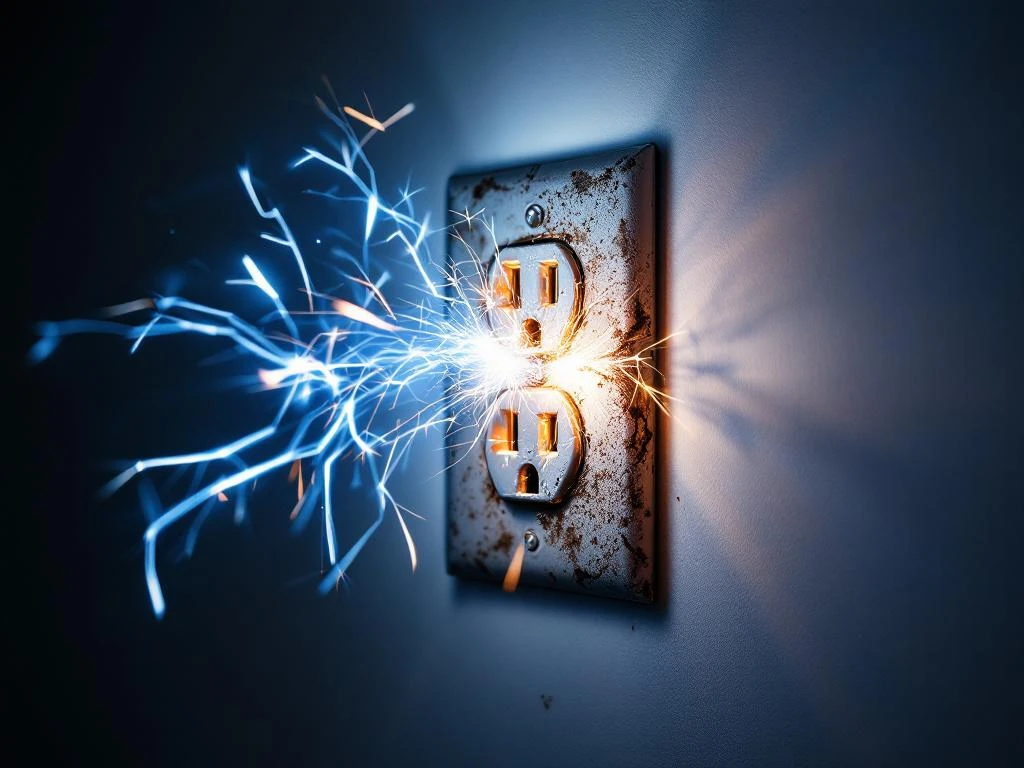
The difference between normal and hazardous sparks lies in frequency, size and context. Normal sparks are small, short-lived and occur only when plugged in or out. Hazardous sparks are larger, can occur spontaneously without touching the socket, and are often accompanied by other warning signals such as burns on the plastic material or strange noises from the socket.
Sparking occurs when there is an air gap between the contacts and electricity jumps across this gap. In a well-maintained electrical system, this happens in a controlled and safe manner, but when sockets start to wear out or have loose connections, sparking can become uncontrolled and dangerous.
What are the most common causes of sparking electrical outlets?
The most common causes of sparking electrical outlets are worn contacts, loose connections and overloading of the electrical system. Old sockets where the metal contacts have lost their tension can no longer hold the contact properly, creating air gaps where sparks form. Loose screw connections behind the socket are another common cause that can develop over time.
Overloading occurs when you plug in appliances that draw more current than the socket is rated for. This creates overheating and can lead to sparking. Moisture and dust accumulating in the socket can also cause problems by changing the electrical conditions and creating unwanted current paths.
Defective appliances with short circuits or damaged cords can cause sparks when plugged in. Old electrical installations with outdated sockets and wiring are particularly vulnerable to these problems, as the materials deteriorate over time and safety margins decrease.
When are sparks from electrical outlets dangerous and when should you act immediately?
Sparks from electrical outlets are dangerous when they are continuous, large or accompanied by burns on the outlet, smell of burning plastic or strange noises. If you see black marks around the socket, feel heat coming from the wall or hear crackling sounds, act immediately by turning off the power and contacting an electrician.
Warning signals that require immediate action include:
- Sparks that occur without touching the socket
- Large, bright sparks that last longer than one second
- Burns or melt marks on the plastic material
- Smell of burnt or hot plastic
- Sockets that feel warm to the hand
- Crackling or buzzing sounds from the wall
These signs indicate that the electrical hazard has escalated from normal sparking to potentially flammable conditions. Continued use of such outlets can lead to electrical fires, damage to appliances, or in the worst case, personal injury from electric shock.
What can you do yourself when the socket sparks?
When an electrical outlet sparks, you can take safe measures such as turning off the power to the affected outlet through the fuse box and avoiding using the outlet until the problem is resolved. Unplug all appliances from the outlet and check whether the sparking is coming from the outlet itself or from a specific appliance by testing the appliance in another outlet.
Safe measures you can take yourself:
- Switch off the fuse to the affected outlet immediately
- Unplug all appliances and avoid using the socket
- Check if the problem accompanies a specific appliance
- Carefully clean the socket from dust and dirt when the power is off
- Inspect visible damage such as cracks or burns
- Document when and how the problem occurs
Avoid trying to repair the outlet yourself or opening the electrical panel unless you have the right skills. Never use water or wet rags to clean electrical components, even when the power is off. If sparks continue or you notice damage, contact a qualified electrician for professional assessment and repair.
How 24 centers help with electrical problems
At 24center, we offer 24/7 professional assistance with electrical problems, including sparking electrical outlets and other electrical safety issues. Our qualified electricians have expertise in all types of electrical installations and can quickly identify the cause of sparking and carry out safe repairs.
Our services include:
- Emergency hotline for dangerous electrical situations
- Replacement and repair of defective electrical sockets
- Checking and fixing loose connections
- Installation of modern safe sockets and fuses
- Complete electrical safety check of your property
- Installation of electrical locking and alarm systems
With our local focus and extensive network of specialists, we are available throughout Sweden with a short response time. Our technicians are familiar with the local building stock and can quickly find their way to you to solve the problem safely and efficiently.
Call 08 40 24 240 for immediate assistance with sparking sockets or other electrical emergencies. For less urgent matters, you can also book a visit online. We prioritize your safety and ensure that all electrical problems are solved according to current safety regulations.
Frequently asked questions
How do I know if the sparks from my socket are normal or dangerous?
Normal sparks are small, short-lived and occur only when you plug or unplug appliances. Dangerous sparks are larger, can occur spontaneously, last longer than a second and are often accompanied by burns on the socket, smell of burning plastic or strange noises. If you see black marks around the socket or feel heat, turn off the power immediately and contact an electrician.
Can I continue to use a socket that sparkles a little when I plug in appliances?
Small sparks when plugging and unplugging may be normal, but you should be careful and observe if the problem worsens. Avoid using the socket with high-power appliances and keep an eye on any changes such as major sparks, heat or burns. If in doubt, it is best to have an electrician assess the situation.
What should I do if an electrical socket starts sparking in the middle of the night when no one is using it?
Spontaneous sparks without anyone touching the outlet are a serious warning sign that requires immediate action. Turn off the fuse to the affected outlet directly through the fuse box and contact an electrician for emergency service. Do not use the outlet again until it has been repaired by a qualified electrician.
Can old electrical outlets cause sparking problems even if they worked well before?
Yes, old sockets can develop sparking problems over time as the metal contacts lose their tension and connections become loose. Sockets that are older than 20-30 years or that are frequently used with high-power appliances are particularly vulnerable. Regular inspection and replacement of old sockets is an important safety measure to prevent electrical problems.
How much does it cost to replace a sparking socket?
The cost of replacing an electrical outlet varies depending on the type of outlet, availability and any complications behind the wall. Simple replacements usually cost between €800-1500 including materials and labor. If new wiring or repairs to damaged connections are required, the cost may be higher. Contact us for a free quote based on your specific situation.
Can I replace a sparking socket outlet myself?
Electrical work should always be carried out by qualified electricians in accordance with Swedish law and safety regulations. Although it may seem simple to change an outlet, there are risks of misconnections that can cause fires or electric shocks. In addition, the entire circuit often needs to be checked to ensure that there are no underlying problems causing the sparking.