
Water leakage from the cistern is a common plumbing problem that can be caused by several different factors. Defective valves, worn gaskets, and incorrect water levels are the most common causes of water leakage from your toilet cistern. The problem can often be identified through a simple visual inspection, and you can carry out many basic repairs yourself before contacting a plumber.
What are the most common causes of water leakage from the cistern?
The most common causes of water leakage from cisterns include defective float valves, worn gaskets around the connections, incorrect water levels, and problems with the chain or float mechanism. These components work together to control the flow of water into and out of the cistern.
The float valve is often the main cause of problems with the cistern leaking water. When this valve does not close properly, water continues to flow into the cistern even when it is full. Worn rubber seals around valves and connections can also cause continuous water leakage.
An incorrect water level in the cistern affects the functioning of the entire system. If the water level is too high, it will overflow into the drain, while a level that is too low can prevent effective flushing. Problems with the chain connecting the flush button to the valve can also cause leaks by preventing the valve from closing completely.
How can you identify where the water leak is coming from?
You can locate the source of water leakage in a toilet through systematic visual inspection, sound analysis, and simple tests. Start by listening for continuous running sounds and looking for visible puddles or damp areas around the base of the toilet and the connections to the cistern.
Remove the cistern lid and observe the water flow inside. If water continuously flows into the toilet bowl without you flushing, the problem is probably with the float valve or chain. Check whether the float is stuck or whether the chain is too long or too short.
Inspect all visible connections and seals for signs of moisture or dripping water. Use colored water or household dye in the cistern to trace the path of the water and identify exactly where the leak is occurring. This will help you determine whether the problem lies in the internal components of the cistern or in the external connections.
What simple measures can you try before contacting a plumber?
Basic cistern repair includes adjusting the float and chain, cleaning the valve seat, and checking the water level. These simple steps will solve many common leak problems without professional help.
Adjust the water level by bending the float arm upward to lower the level or downward to raise it. The water surface should be approximately 2–3 centimeters below the rim of the cistern. Check that the chain is the correct length—it should be long enough for the valve to close completely, but not so long that it gets caught under the valve.
Clean the valve seat by turning off the water supply and emptying the cistern. Remove any mineral deposits or dirt that prevent the valve from closing tightly. Check all rubber gaskets and replace them if they are cracked or hardened. These simple steps often effectively solve problems with leaking cisterns.
When should you contact a professional plumber for cistern problems?
You should contact a professional plumber when toilet cistern problems involve major leaks, complicated repairs, or when simple measures do not work. Signs of serious problems include continuous water leakage despite repair attempts, visible cracks in the cistern, or extensive corrosion on metal parts.
Professional help is needed when the problem lies in the main water pipe, when the entire cistern mechanism needs to be replaced, or when the leak causes structural damage to bathroom walls or floors. If you notice that your water bill is increasing dramatically or if several toilets in the house have similar problems, this often indicates major plumbing issues.
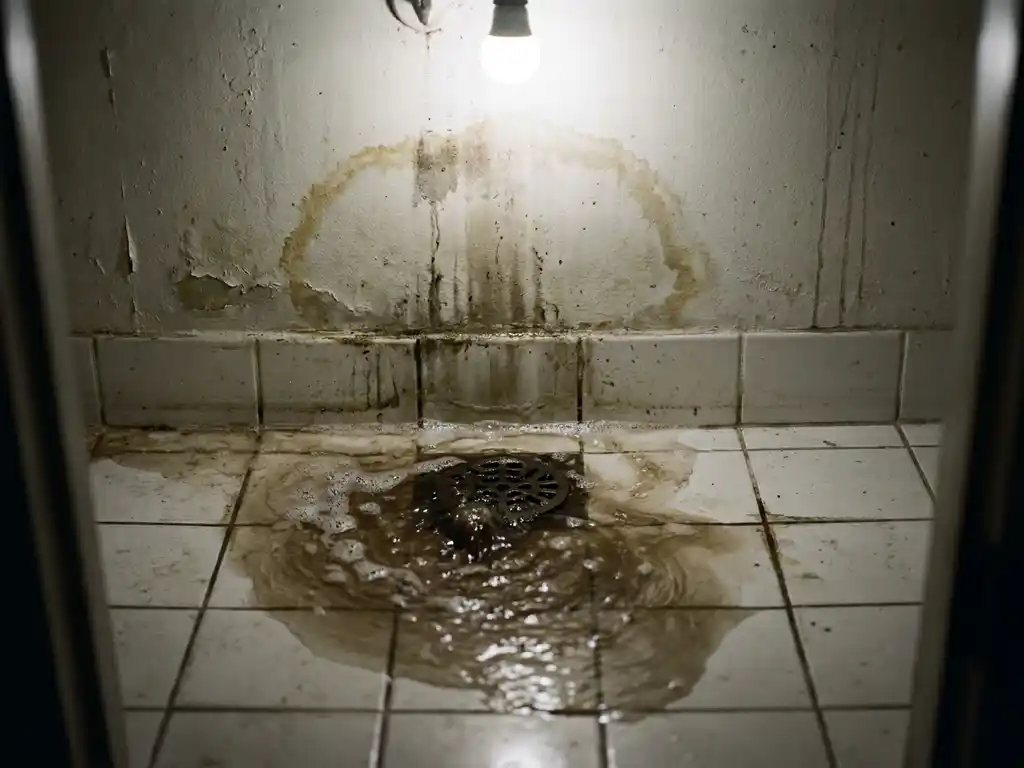
Contact a plumber immediately if you discover water damage on walls or floors, if the cistern is not filling at all, or if there are signs of drainage problems in combination with the cistern leak. These situations require expert knowledge to avoid major damage and costly repairs.
How 24 Center helps with water leaks and cistern problems
At 24 Center, we offer professional plumbing services around the clock for all types of plumbing problems, including cistern repairs and water leaks. Our qualified plumbers have expert knowledge in all aspects of toilet systems and can quickly diagnose and solve even the most complicated cistern problems.
Our services include:
- Emergency leak response with immediate response
- Complete cistern repair and component replacement
- Diagnosis of hidden water leaks
- Long-term solutions for recurring problems
- Preventive maintenance to avoid future leaks
Med vårt rikstäckande nätverk av lokala tekniker säkerställer vi kort responstid och träffsäker service. Vi förstår att problem med vattenspill från toalett sällan uppstår vid lämpliga tidpunkter, därför erbjuder vi tillgänglighet dygnet runt för både nödsituationer och planerade reparationer. Kontakta oss på 020 74 24 70 för omedelbar hjälp eller boka online för mindre brådskande VVS-ärenden.
Frequently asked questions
How much can a leaking cistern increase my water bill?
A leaking cistern can increase your water bill by $20-100 per month, depending on the extent of the leak. A continuous leak from the float valve can waste 100-400 liters of water per day. Therefore, it is financially beneficial to fix the problem quickly, even if the repair costs a few hundred dollars.
Can I use ordinary tools at home to repair the cistern?
Yes, most basic cistern repairs can be carried out using standard household tools such as a screwdriver, pliers, and an adjustable wrench. You will also need new gaskets or components from a hardware store. However, more complicated repairs, such as replacing the entire cistern mechanism, may require special tools.
What should I do if the water does not stop running after I have adjusted the float?
If adjusting the float does not help, check that the valve seat is clean and that the rubber gasket is sealing properly. Turn off the water supply, empty the cistern, and clean the valve area thoroughly. If the problem persists, the valve may be completely defective and need to be replaced, which often requires professional help.
How often should I check and maintain my toilet cistern?
Check the cistern every six months by listening for unusual noises and visually inspecting components. Replace rubber seals every three years and clean the valve seat annually to prevent problems. Regular maintenance extends the life of components and prevents costly emergency repairs.
What spare parts should I have at home for quick cistern repairs?
Always keep extra rubber gaskets for the float valve, a spare chain, and possibly a complete float valve at home. These components cost less than $20 together and cover the most common repair needs. Store them in a dry place and check that they fit your cistern model before purchasing them.
Can a leaking cistern cause mold problems in the bathroom?
Yes, continuous water leakage from the cistern can create moisture problems that lead to mold growth, especially behind the toilet and in adjacent walls. If you notice moisture stains or a moldy smell around the toilet, you should immediately repair the leak and contact a professional to assess any moisture damage to the building structure.