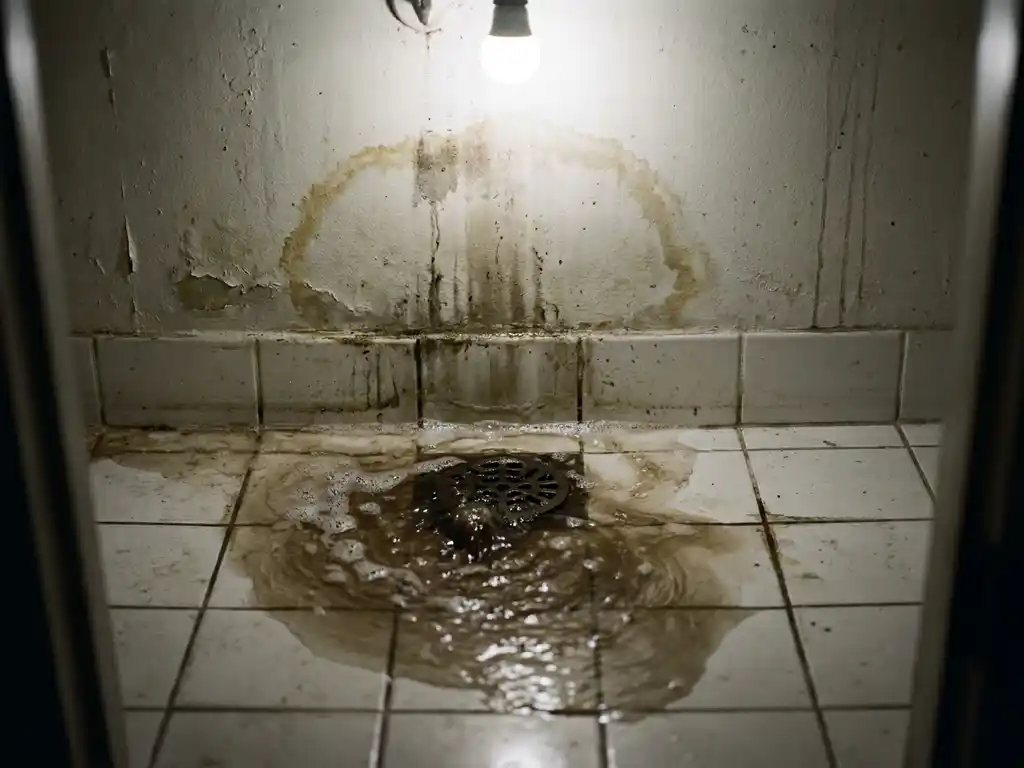
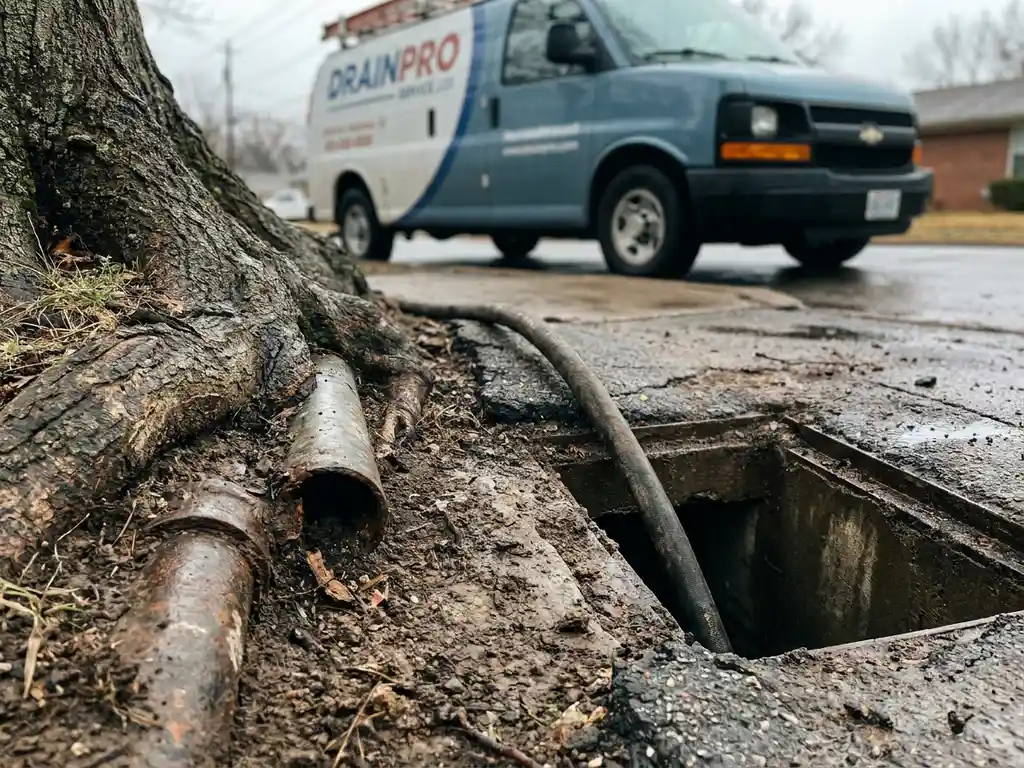
Unclogging drains is hardly anyone's favorite job. Blocked drains can smell bad and blocked drains can also cause flooding in areas where water should not be. In the worst case, flooding can lead to water damage and hundreds of thousands of dollars in costs. In this article, we look at how you can prevent sewer blockages and a few tricks on how to open a blocked sewer yourself.
Prevent sewer blockages in advance
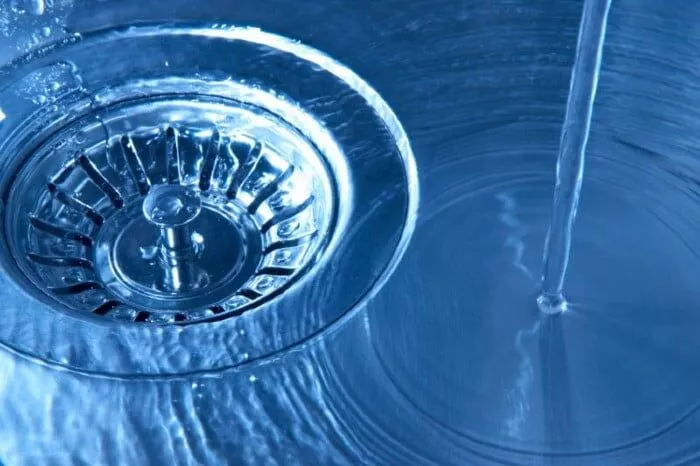
All drains in the home are kept open and do not smell, as long as you remember to take care of them and maintain them properly. Remember not to put things down the drain that do not belong there. For example, coffee grounds or frying fat do not belong in the drain. The kitchen sink drain strainer prevents food scraps from going down the drain, leading to fewer blockages.
Another important thing to remember is to clean and wash the drains regularly. Flush all your home's drains with boiling or hot water for a few minutes. The hot water helps to soften grease stuck in pipes, thus preventing blockages in the drains. In the bathroom, it is important to remember to clean the floor drain regularly, as showers loosen hair.
It is also important to remember to clean the water traps. A siphon is the part or device that sits under the sink. The purpose of the water trap is to prevent sewer odors from entering the house. If the sewer drains poorly, you should remove the water trap. Before removing the trap, remember to put a bucket or pail underneath. Clean the water trap thoroughly with detergent. When you reattach the water trap, be careful to ensure that it is tight.
Opening of drains at home
Often when you have a blockage and want to open the drain yourself, you use pipe openers. However, they usually contain strong chemicals and care should be taken when using them. To unblock drains with items found in the home, you can try using food soda and vinegar.
If the sink is blocked, you can start by running hot water for a few minutes. Hot water softens grease that has become stuck in the pipes and it helps to soften the grease. After flushing for a while, pour about a deciliter of cooking soda and 2 deciliters of vinegar down the drain. When the vinegar and cooking soda are mixed together, a chemical reaction occurs that causes strong bubbling and fizzing. After about 10 minutes, the agents have worked their way down the drain. Flush again with hot water and continue to use the drain as usual.
If it is a floor drain that has become blocked, it is worth starting by removing visible material that can cause the blockage. It is usually hair that causes blockages in floor drains and it is easy to remove yourself. First loosen the floor drain strainer and then remove the blockage by hand. Remember to protect your hands with e.g. rubber gloves because the cause of the blockage usually feels quite unpleasant.
When should you call in the professionals?
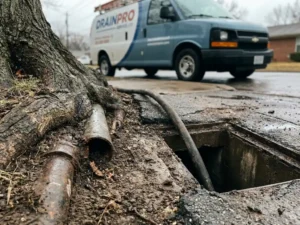
If you can't clear the blockage at home or you know that the blockage is so difficult that you can't do it yourself, you should contact a professional. In larger blockages, you will have to call in a cleaning truck to clear the blockage. When you need help, contact 24 Center's customer service on 020 742 470, you can also order online for less urgent matters via https://24center.se/online-bestallning/. We help with all problems at home!