
Maintaining a private septic tank requires regular emptying and cleaning to function properly. Most tanks need to be emptied every 1–3 years, depending on household size and usage. Proper maintenance prevents blockages, unpleasant odors, and environmental problems. You can perform basic checks yourself, but professional service is required for emptying and major repairs.
What is a private septic tank and how does it work?
A private septic tank is a separate sewage system that handles wastewater from your property when you are not connected to the municipal sewage system. The tank collects and purifies wastewater through biological processes before it is discharged into the ground or into a recipient.
There are several types of private sewage wells. Sludge separators are the most common type and separate solid material from the liquid. Mini treatment plants treat the sewage more advanced with aeration and biological purification. Closed tanks only collect sewage, which must then be emptied regularly.
The sewage system in your house works by directing wastewater from the kitchen, bathroom, and laundry room to the well. Here, heavy material sinks to the bottom as sludge, while lighter particles float to the top as scum. The cleaner liquid in the middle is directed to the soil bed or out into the recipient after purification.
How often do you need to empty and clean your septic tank?
Sewer maintenance should be performed every 1–3 years for most households. Families of four usually need emptying every two years, while smaller households can wait up to three years. Large families or intensive use require annual emptying.
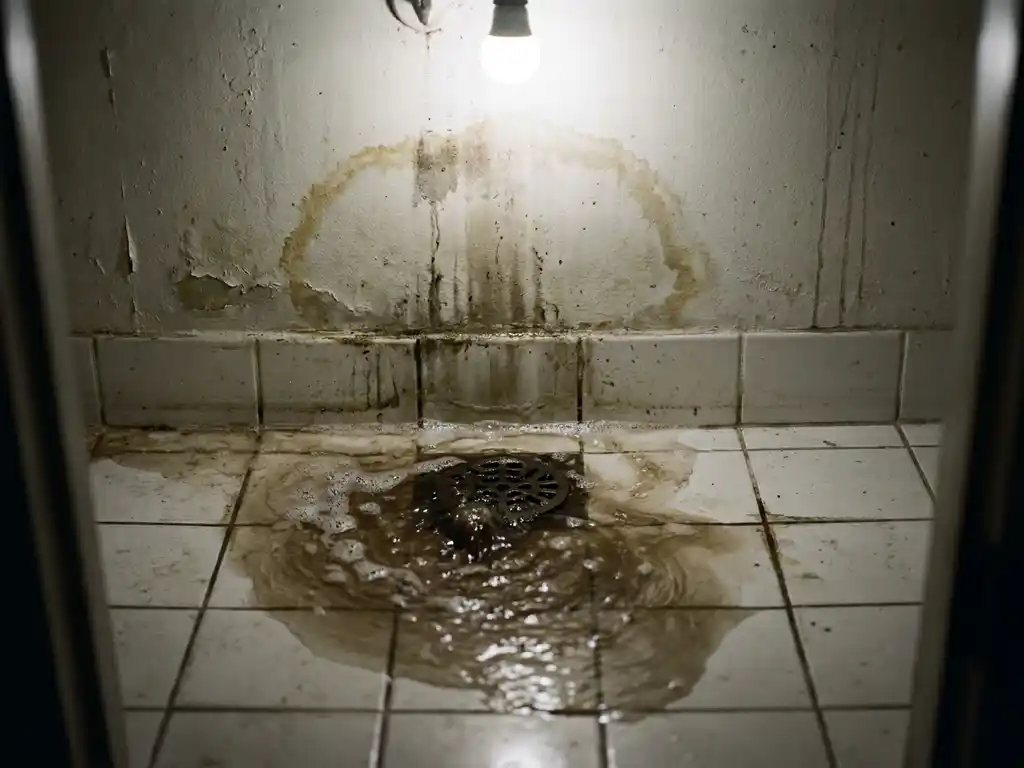
Signs that emptying is needed include bad odors around the well, slow drainage in the sewer, or water rising in floor drains. If you notice that the toilet is flushing poorly or that the sewage is draining slowly, it is often a sign that the well is starting to fill up.
Factors that affect the maintenance interval include the number of people in the household, water usage, and whether you use environmentally friendly cleaning products. Chemical products can disrupt biological processes and require more frequent emptying. The use of dishwashers and washing machines also affects the load on the sewage system.
What problems can arise if the drain well is not maintained regularly?
Neglecting maintenance and cleaning of sewer drains leads to serious problems such as blocked sewer pipes, flooded basements, and unpleasant odors around the property. Sludge and grease build up and block pipes, which can require costly flushing services to fix.
The environmental consequences are significant when the well does not function properly. Untreated sewage can leak into the ground and contaminate groundwater or nearby waterways. This can result in fines from the environmental authorities and requirements for extensive remediation.
Financial consequences include high repair costs when sewage problems become urgent. Emergency tanker services cost significantly more than scheduled emptying, and damage to the property from flooding can be very costly. In addition, you may encounter issues with your insurance company if damage occurs due to lack of maintenance.
What can you do yourself, and when do you need professional help?
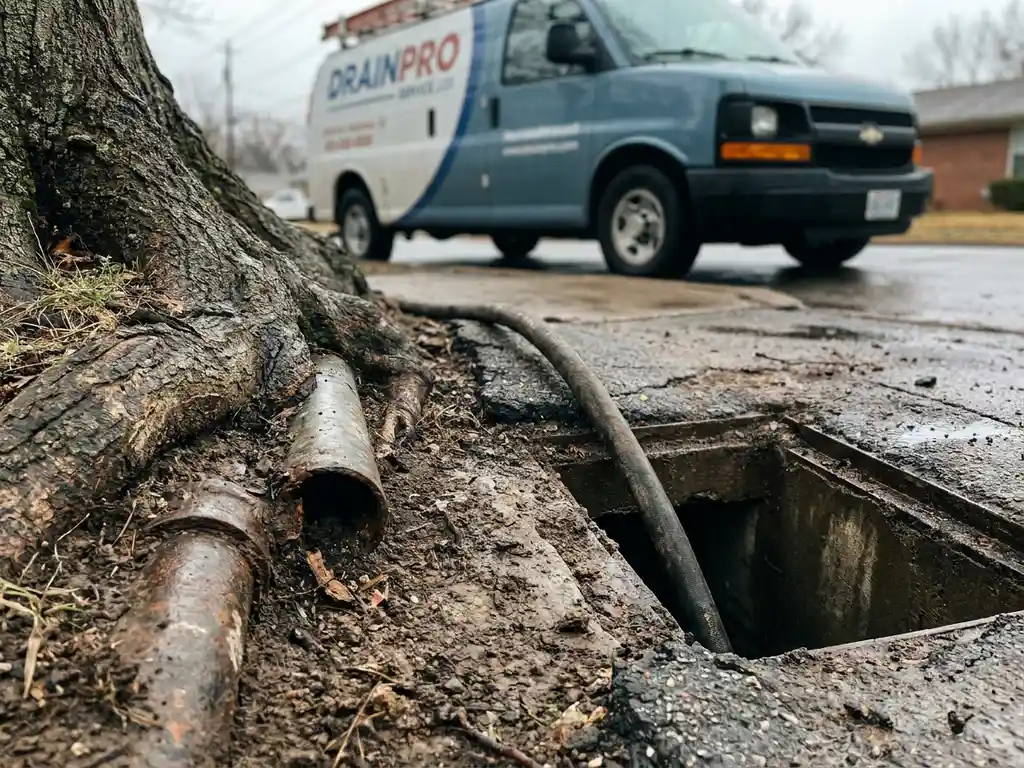
As a property owner, you can perform basic checks by visually inspecting the well for signs of damage or overflowing sludge. Check that the lid fits tightly and that no roots are growing into the system. You can also monitor how the drains in the house are working to detect problems early on.
Preventive measures you can take yourself include using environmentally friendly cleaning products, avoiding flushing grease and food waste down the drain, and limiting the use of antibacterial products that can disrupt the biological processes in the well.
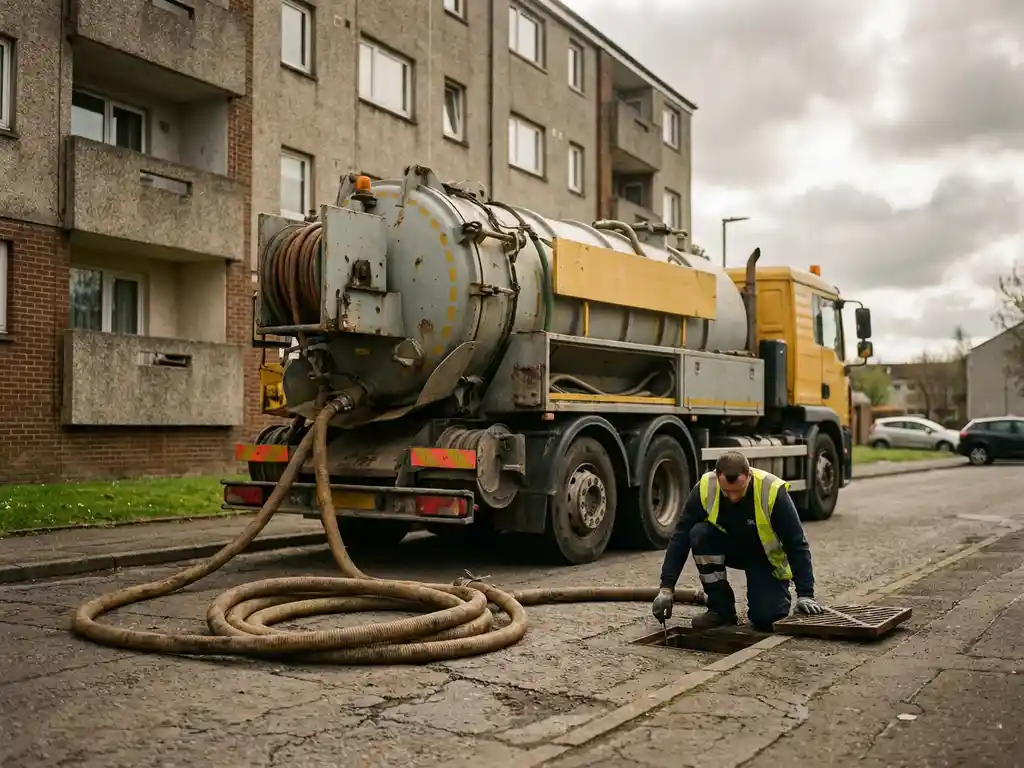
Professional assistance is always required for emptying septic tanks, cleaning the system, and making repairs. Certified technicians have the right equipment and knowledge to handle sewage sludge safely and in accordance with environmental regulations. When sewer pipes become blocked, a high-pressure flushing service is often required to effectively clear the pipes.
How 24 Center assists with sewer maintenance and urgent issues
We offer complete sewer services for private septic tanks, including professional emptying, cleaning, and emergency assistance in the event of blockages and leaks. Our local technicians have extensive knowledge of various septic tank systems and can quickly identify and resolve problems with your separate sewer system.
Our services in the field of wastewater include:
- Professional flushing truck service with hot water and high pressure for effective cleaning
- Scheduled emptying and maintenance of all types of drainage wells
- Emergency service for breakdowns, flooding, and leaks around the clock
- Pipe inspection with camera to identify problems in sewer pipes
- Environmentally friendly handling of sewage sludge in accordance with applicable regulations
Med vårt rikstäckande nätverk av kvalificerade tekniker kan vi reagera snabbt vid akuta avloppsproblem, ofta inom 15 minuter i storstadsområden. Ring 020 74 24 70 för akut hjälp eller boka planerat underhåll online. Vi finns tillgängliga dygnet runt, alla dagar om året, för att säkerställa att din fastighetstekniska service alltid fungerar optimalt.
Frequently asked questions
How much does it cost to empty a septic tank, and are there ways to save money?
The cost of emptying varies between SEK 2,000 and SEK 4,000 depending on the size and accessibility of the well. You can save money by booking a scheduled emptying instead of an emergency service, and by sharing the cost with neighbors if several wells can be emptied at the same time. Regular maintenance also prevents expensive emergency repairs.
How do I know what type of drain well I have on my property?
Check your property documents or contact your local environmental office, which has a register of private sewage systems. You can also identify the type by looking at the number of chambers in the well and whether there is a ventilation system. If you are unsure, a professional technician can help you identify the system during the next service.
Can I use regular household chemicals without damaging my drain?
Avoid strong chemicals such as bleach, antibacterial products, and drain cleaners, as these kill the beneficial bacteria that break down organic material. Instead, use eco-labeled dishwashing and laundry detergents in moderate amounts. Vinegar and baking soda are safe alternatives for basic cleaning.
What happens if my drain freezes in winter, and how can I prevent this?
Freezing can block the system and cause stoppages or damage to pipes. Prevent freezing by keeping the water flowing regularly, insulating exposed pipes, and ensuring that the well is not underloaded. If freezing occurs, contact professional help immediately for safe thawing.
How are heavy rainfall and flooding affecting my sewer?
Heavy rainfall can overload the system and cause the well to overflow or groundwater to penetrate and dilute the purification process. Ensure that roof runoff and storm water are not directed to the drain well, and check that the lid is tight. In the event of flooding, contact a professional for inspection and possible pumping.
What permits and regulations apply to private sewage wells?
All private sewage systems require a permit from the municipality and must comply with the Environmental Code. You are responsible for maintenance and must report any problems to the municipality. Some municipalities also require regular inspections by a certified technician. Contact your municipality's environmental office for specific rules in your area.