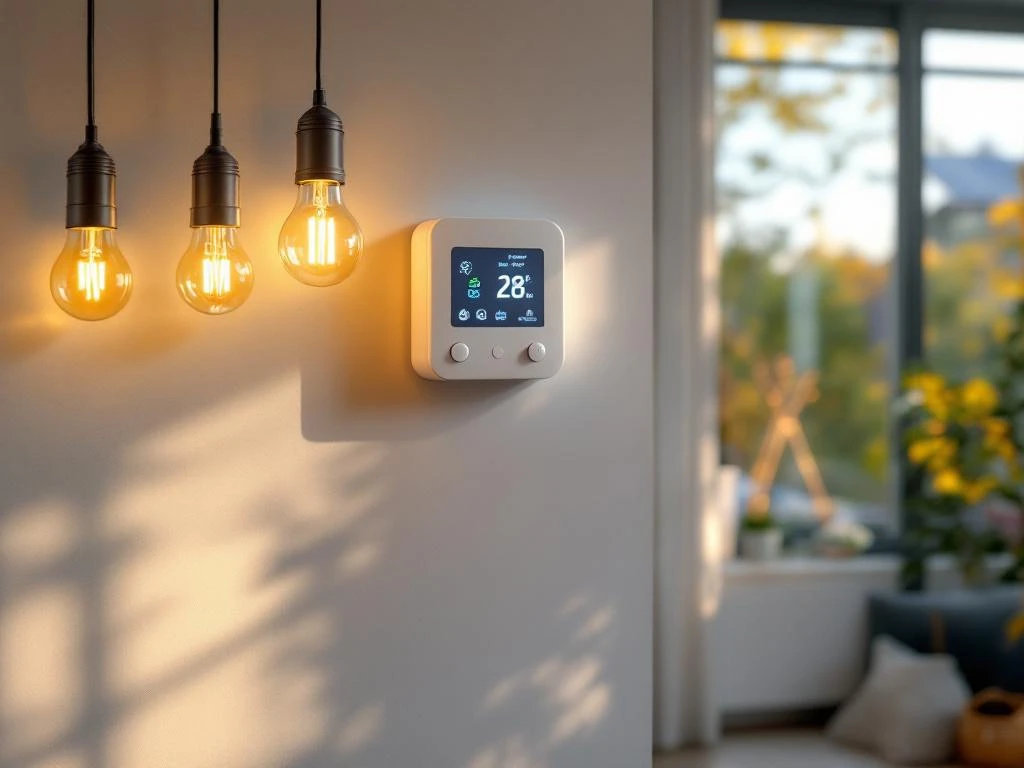
To reduce electricity consumption at home, you need to focus on the biggest energy users: heating, hot water and household appliances. Simple measures such as lowering the temperature by 1-2 degrees, switching to LED lighting and turning off standby modes can directly reduce your electricity bill. Smart home solutions and replacing old appliances will bring bigger savings over time.
What consumes the most electricity in a typical home?
Heating accounts for the largest electricity consumption in Swedish homes, often representing 40-60% of total electricity use. Hot water comes second with around 15-25%, followed by household appliances such as fridges and freezers, washing machines and lighting.
The heating system has the biggest impact on electricity bills because it works continuously during cold months. Electric radiators, heat pumps and underfloor heating require large amounts of energy to keep home electricity at a comfortable level. Even the water heater works around the clock to maintain water temperature.
Household appliances that are always on, such as refrigerators and freezers, contribute significantly to electricity consumption. Older appliances can consume twice as much electricity as modern energy-efficient models. Lighting has become less important thanks to LED technology, but still represents a noticeable item on electricity bills in homes with many lights.
What simple measures can reduce electricity consumption directly?
Lower the indoor temperature by 1-2 degrees for immediate energy savings. Each degree lower temperature reduces heating costs by about 5%. Turn off standby modes on TVs, computers and other electronic devices that draw electricity even when they are not actively used.
Replace all incandescent and halogen lamps with LED lighting. LED lights consume up to 80% less electricity and last much longer. This is one of the most cost-effective electricity-saving tips you can implement right away.
Optimize the use of household appliances by only running the dishwasher and washing machine on full loads. Use colder wash programs whenever possible - 30 degree programs are enough for most laundry. Keep the fridge and freezer at the right temperature: 4-6 degrees for fridge and -18 degrees for freezer.
Close doors to rooms that are not in use and lower the temperature there. Use thick curtains or blinds to retain heat in winter and keep heat out in summer.
How much can smart home solutions really save on electricity bills?
Smart home solutions can reduce electricity consumption by 10-25% depending on the systems you install and how you use them. Smart thermostats make the biggest impact by automatically adjusting the temperature based on your habits and presence.
A smart thermostat learns your routines and lowers the temperature when you are not at home or sleeping. This can save 10-15% on heating costs without affecting comfort. Time-controlled lighting and motion sensors ensure that lights are only on when needed.
Energy monitoring systems help you identify which appliances consume the most electricity and when. With this information, you can adjust your habits for maximum home energy savings. Smart switches make it easy to control appliances remotely and set time schedules.
To get the maximum benefit, you need to actively use the systems' features and adjust settings based on your needs. The initial investment is usually repaid within 2-4 years through reduced energy costs.
Which household appliances should be replaced first for best energy savings?
Start with fridges and freezers if they are older than 10-15 years, as these appliances work continuously and modern models are significantly more energy efficient. An old fridge-freezer can use twice as much electricity as a new A+++ rated model.
Washing machines and tumble dryers come second, especially if you use them often. Modern washing machines have more efficient programs and use less water and electricity per wash. Heat pump-based tumble dryers consume up to 50% less energy than traditional condensing dryers.
Water heaters older than 15 years should also be given high priority. Newer models have better insulation and more efficient heating elements. If you have electric heating, consider switching to a heat pump that can provide the same heat with 60-70% less electricity consumption.
Calculate the payback period by comparing the price difference between old and new appliance with the annual energy savings. Appliances with a short payback period (2-5 years) should be replaced first for best economic results.
How we help with energy-efficient security solutions
24 Center offers professional electrician services that combine security with energy efficiency. We install modern security systems and smart locks that both protect your home and reduce electricity consumption through intelligent technology.
Our energy-efficient security solutions include:
- Installation of smart locks with low energy consumption and remote control
- LED-based security lighting systems with motion sensors
- Energy-efficient alarm systems with battery backup
- Access control systems optimized for minimal electricity consumption
- Integration with existing smart home systems
Our qualified electricians ensure professional installation that maximizes both security and energy performance. We offer 24/7 service and have in-depth knowledge of the latest energy-efficient security technologies.
Contact us on 08 40 24 240 for advice on energy-efficient security solutions or book online to get a tailored proposal to suit your home and your energy-saving goals. Read more about our services to discover how we can help you combine security with energy efficiency.
Frequently asked questions
How do I know if my old household appliances really need replacing?
Check the energy label and age of your appliances. If your fridge/freezer is more than 10-15 years old or has an energy rating of B or lower, you can save significantly by changing it. Also, measure electricity consumption with an electricity meter to get accurate figures on how much each appliance uses.
How much does it cost to install smart home solutions and how quickly will I get my money back?
A smart thermostat costs €2,000-5,000 and is usually paid back within 2-3 years. Smart plugs cost 200-500 SEK each and energy monitoring systems 1000-3000 SEK. The total payback period for a complete smart home system is typically 2-4 years depending on your current electricity bills.
Can I do something about my electricity consumption if I live in a rented apartment?
Yes, many measures work even in rental property. Switch to LED lighting, turn off standby modes, optimize the use of household appliances and use smart switches for time schedules. You can also install smart thermostats if you have your own radiators or ask your landlord for more energy-efficient appliances.
How much electricity can I save by just changing my habits without buying new equipment?
By lowering the temperature by 2 degrees, turning off standby modes, optimizing washing habits and using appliances smarter, you can reduce electricity consumption by 10-20%. This is often equivalent to €2,000-6,000 per year for a typical home, with no investment at all.
Are heat pumps always the best option to reduce electricity consumption?
Heat pumps are very efficient but not suitable for all homes. Air-to-water heat pumps work best in well-ventilated houses, while geothermal heating requires more investment but is more efficient. Consult a professional to assess what is best for your home and budget.
What mistakes should I avoid when trying to reduce electricity consumption?
Avoid lowering the temperature too drastically (below 18 degrees) as this can create humidity problems. Do not turn off the fridge/freezer to save electricity, and do not use fan heaters as your main heating. Don't invest in expensive technology without first calculating the payback period based on your actual electricity bills.
How do seasonal changes affect my electricity consumption and what can I do about it?
The winter months account for 60-70% of annual consumption in Swedish homes due to heating and shorter days. Prepare by servicing heating systems in the fall, sealing air leaks, using thicker curtains, and installing timed lighting to manage the increased use of lamps.