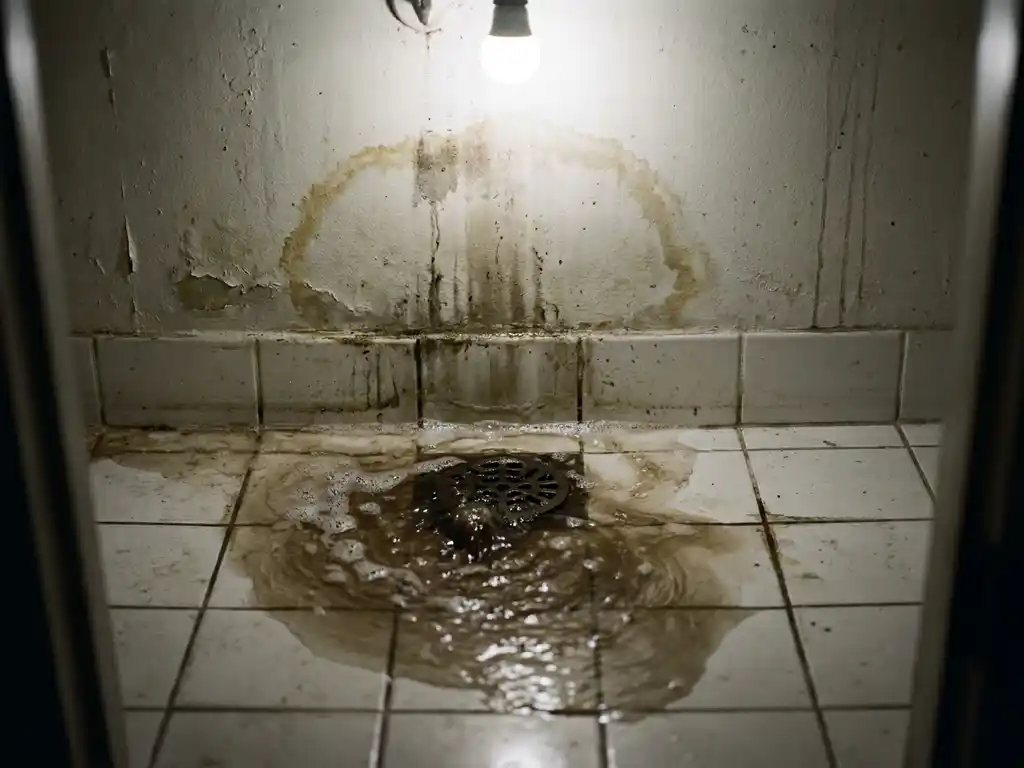

Preventing clogged drains is about understanding what causes blockages and then taking the right preventive measures. The most common causes are hair, cooking grease, soap residue, and improper handling of food waste. By introducing simple everyday routines and performing regular maintenance, you can avoid most drain problems. Natural cleaning methods such as bicarbonate of soda and vinegar often work just as well as chemical products.
What actually causes blocked drains in the home?
The most common causes of clogged drains are hair, cooking grease, soap residue, and food waste that accumulate in the pipes over time. Hair is particularly problematic in the bathroom, where it binds with soap and creates compact clogs. In the kitchen, grease is the biggest culprit because it solidifies when it cools down and traps other particles.
Different drains are affected in different ways. Shower drains mainly have problems with hair and skin cells, while kitchen sinks suffer from food grease and food scraps. Toilet drains are usually blocked by excessive amounts of toilet paper or objects that do not belong there. Washing machine drains can have problems with lint and detergent residues.
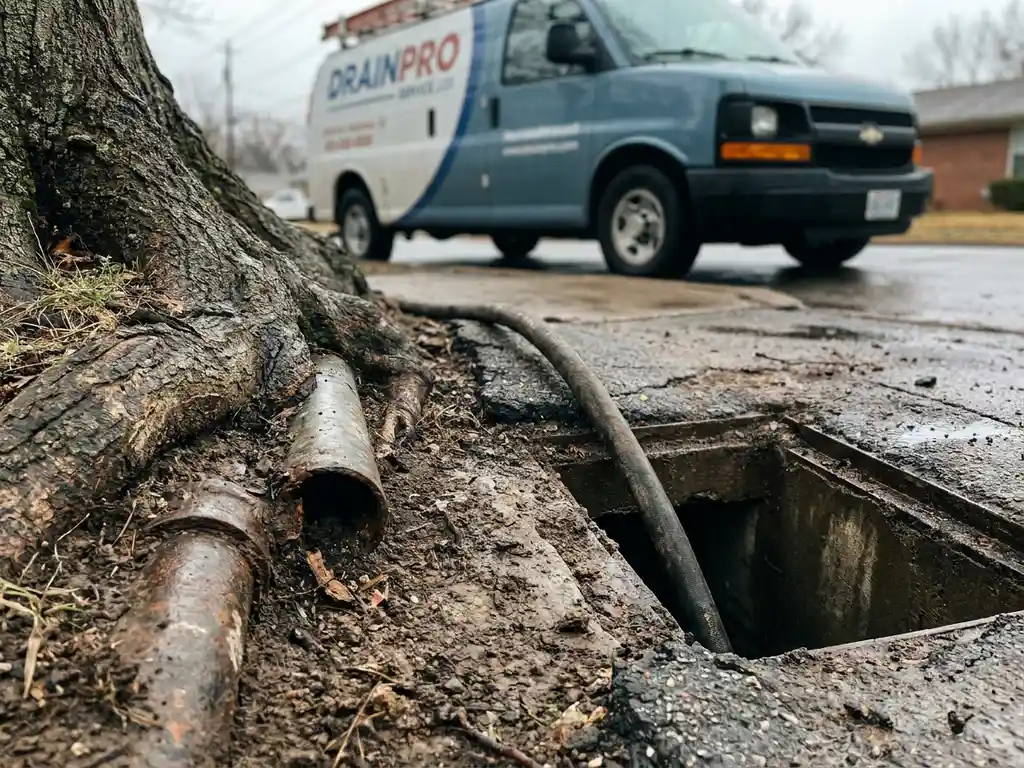
The age and material of the pipes also play a role. Older cast iron pipes have uneven surfaces that more easily collect deposits, while modern plastic pipes are smoother but can be deformed by hot water. Understanding these root causes will help you tailor your preventive measures to the specific needs of each drain.
What simple everyday routines prevent drainage problems?
Daily routines that make a big difference include scraping plates thoroughly before washing, using hair traps in the shower, and flushing with hot water after use. Avoid pouring cooking oil down the sink—instead, collect it in a jar that you can throw away when it's full.
Install hair traps in all shower drains and clean them weekly. After each shower, flush the drain with hot water for 30 seconds to dissolve soap residue. In the kitchen, always scrape plates and dishes thoroughly before washing, and never allow food grease or coffee grounds to enter the drain.
Weekly routines include pouring hot water down all drains and checking that the water drains away properly. Clean visible parts of drain pipes and watch out for bad smells or slow drainage. These simple habits only take a few minutes but prevent most drainage problems from developing.
How often should you perform preventive maintenance on your drains?
Monthly maintenance using natural cleaning methods is sufficient for most households, while quarterly seasonal maintenance provides extra peace of mind. Signs that you should increase the frequency of maintenance include slow drainage, bubbling noises, or unpleasant odors from the drains.
Monthly maintenance involves thorough cleaning with bicarbonate of soda and vinegar, checking all drains, and replacing hair traps if necessary. Every quarter, you should inspect visible pipe fittings, check that all drains are working optimally, and consider professional cleaning if you notice any changes.
Different drains have different needs. Shower drains often require more attention due to hair buildup, while kitchen sinks need extra focus on grease buildup. Toilet drains are usually less problematic if used correctly, but check that the flush is working effectively.
What natural methods work best for sewage maintenance?
Baking soda and vinegar are the most effective natural combination for drain maintenance. Pour half a cup of baking soda followed by a cup of white wine vinegar into the drain, leave for 30 minutes, then rinse with hot water. This method dissolves grease deposits and neutralizes odors.
Hot water is the simplest tool for daily maintenance. Regularly pour boiling water down the drains to dissolve soap and grease residues. Enzymatic cleaners work well for organic material such as hair and food waste – they break down proteins naturally without damaging the pipes.
Avoid strong chemicals that can damage pipes and the environment. Sodium hydroxide and sulfuric acid can corrode metal pipes and are dangerous to handle. Natural methods are safer, more environmentally friendly, and often just as effective when used regularly. Combine different methods for best results—use baking soda and vinegar monthly and hot water daily.
How 24 Center helps with drainage problems and preventive maintenance
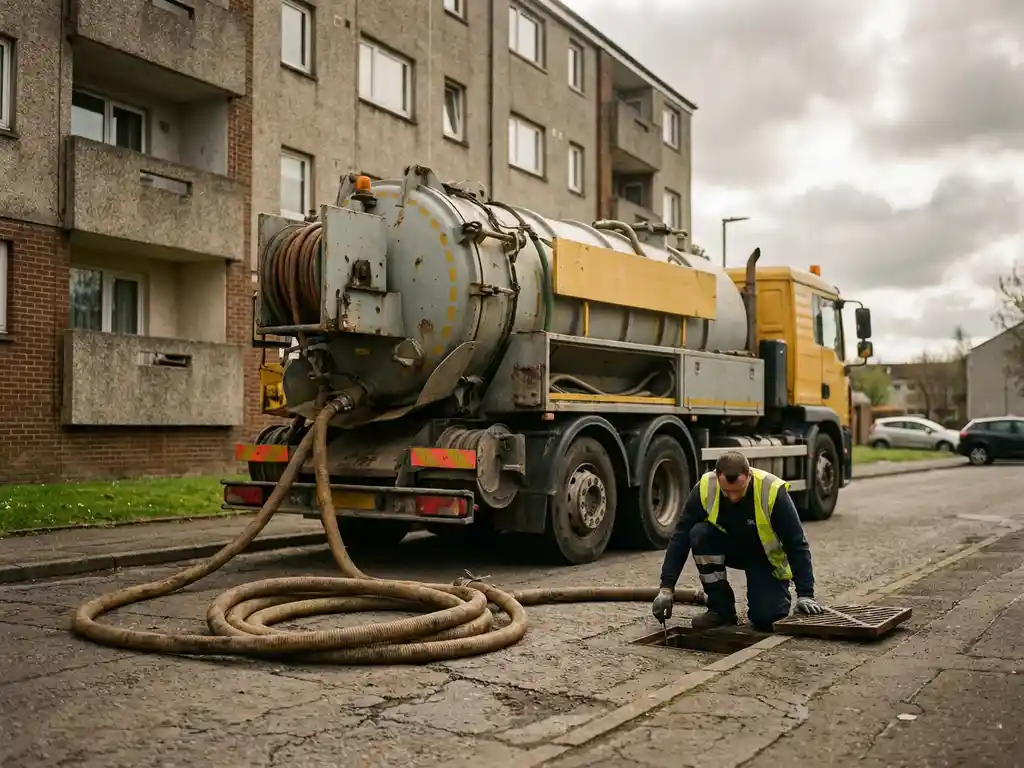
We offer professional flushing truck services with on-call technicians who can help you with both emergency drain blockages and planned preventive maintenance. Our hot water and high-pressure method is the most effective solution for cleaning drains and is also environmentally friendly.
Our services include:
- Emergency drain cleaning with a 15-minute response time
- Flushing of the entire property's sewage system
- Pipe inspection with camera to identify problems
- Planned maintenance to prevent downtime
- Professional advice on sewer maintenance
Vid upprepade problem rekommenderar vi en grundlig rörinspektion där vi först spolar rent systemet och sedan inspekterar med kamera för att hitta grundorsaken. Ring 020 74 24 70 för akuta ärenden eller boka ett besök online för planerat underhåll – vi finns tillgängliga dygnet runt för att hjälpa dig att hålla dina avlopp i perfekt skick.
Frequently asked questions
How do I know if my preventive measures are actually working?
Signs that your preventive measures are working include rapid water drainage (water should disappear within 5-10 seconds), no bubbling noises or bad smells from the drains. If you notice that maintenance needs decrease over time and that you rarely experience blockages, this is a clear indication that your routines are effective.
What should I do if natural methods are not enough to keep the drains clean?
If baking soda and vinegar do not produce the desired results, you can try enzymatic cleaners, which break down organic material more effectively. Also, increase the frequency of your maintenance to every other week. If the problems persist, there may be deeper issues that require professional inspection with a camera to identify the root cause.
Is it safe to use baking soda and vinegar in all types of pipes?
Yes, baking soda and vinegar are safe for all common pipe materials, including plastic, copper, and cast iron. Unlike strong chemicals that can corrode pipes, this natural combination is gentle yet effective. However, avoid mixing it with other cleaning agents, as this can cause dangerous chemical reactions.
How do I handle drain maintenance if I live in an apartment with a shared drainage system?
In an apartment, you focus on your own drains using the same procedures described above, but contact the property management if you have recurring problems, as these may be caused by issues with the main pipes. Many property owners carry out regular pipe flushing, but you can suggest this if it is not being done. Your preventive measures help the entire system by reducing the load on shared pipes.
What mistakes do people most often make when trying to prevent drainage problems?
The most common mistakes are waiting until problems arise instead of being proactive, using chemicals that are too strong and damage the pipes, and forgetting about hair traps or not cleaning them regularly. Many people also underestimate the importance of scraping plates properly and still pour grease down the sink even though they know it's wrong.
How much does it cost to have 24 Center perform preventive maintenance compared to dealing with emergency shutdowns?
Preventive maintenance costs significantly less than emergency repairs because it does not require an on-call fee and can often be planned during normal working hours. A scheduled pipe flush usually costs 30-50% less than an emergency call-out. In addition, you avoid the costs of water damage and the inconvenience of completely blocked drains.