
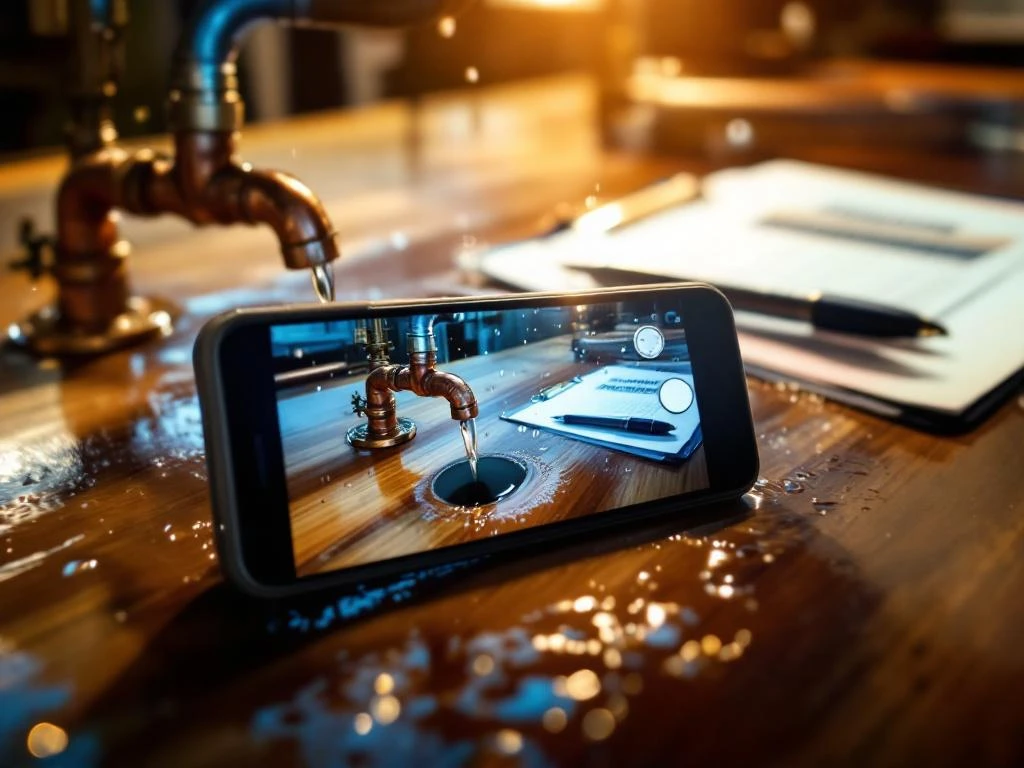
When plumbing problems occur in the home, you need to document the damage immediately to ensure a successful insurance claim. Proper documentation includes photographing the damage, time-stamped pictures, detailed descriptions of the problem, and saving all receipts and invoices. Inadequate documentation can lead to a denial or reduction of compensation from the insurance company.
What to document when plumbing problems occur?
You need to document three main areas when plumbing problems occur: the damage itself, the cause of the problem and any action you take. Time-stamped photographs are the most important piece of evidence, followed by written descriptions explaining what happened and when.
Take pictures of water leaks from several angles before you start cleaning up. Photograph the source of the leak, such as burst pipes or broken fittings, as well as any objects and surfaces damaged by the water. Also document water levels by placing a ruler or tape measure in the picture to show the extent.
Write down the exact time and date when you discovered the problem. Describe what you were doing just before the damage was discovered and what immediate actions you took, such as turning off the main tap or contacting a plumbing technician. This information will help the insurance company understand the sequence of events and assess liability.
How to properly photograph plumbing damage for insurance purposes?
Photograph plumbing damage systematically, starting with general shots showing the entire damaged area, followed by close-ups of specific damage. Take at least 10-15 photos from different angles and distances to give the insurance company a complete picture of the situation.
Use good lighting and avoid flash that can create shadows or obscure important details. Take pictures both before and after any water or debris removal. Include reference objects such as coins or rulers in the photos to show the true extent of the damage.
Always photograph the source of the problem first - the broken pipe, the leaking fitting or the flooded toilet. Then document the spread of the damage by following the path of the water through the room. Don't forget to photograph hidden areas such as under sinks or behind toilets where moisture damage often develops.
Save all images in the highest possible resolution and back them up in multiple locations. Many insurance companies will accept images sent directly from your mobile phone, but check that the date and time are visible in the image metadata.
What documents do you need to keep in case of plumbing problems?
Keep all receipts and invoices related to the plumbing problem, including costs for emergency repairs, water sheet, cleanup and temporary accommodation if needed. Even small expenses such as towels or buckets to collect water may be eligible for reimbursement.
Document all communication with HVAC technicians, insurance companies and any contractors. Keep quotes, job descriptions and warranties from repairs performed. If you contact several technicians to get quotes, keep all of these to show that you acted responsibly.
Keep copies of your home insurance policy and any previous claims. Insurance companies often look at history to assess whether damage is due to lack of maintenance. Also, keep receipts of previous plumbing maintenance that show you are looking after your property properly.
Create a chronological folder with all documents sorted by date. This makes it easier for both you and the insurance company to follow the course of events and understand what costs were incurred when.
What happens if you don't properly document plumbing damage?
Inadequate documentation can lead to the insurance company rejecting your claim or offering significantly lower compensation than the actual cost of the damage. Without clear evidence of the extent and cause of the damage, it will be difficult to prove your claim.
Insurance companies often require detailed documentation to assess whether the damage was caused by a sudden and unforeseen event, which is a prerequisite for compensation. If you cannot show when and how the damage occurred, they may argue that it is gradual wear and tear that is not covered by the insurance.
Poor documentation can also affect future insurance claims. If you are rejected for lack of evidence, this will be recorded in the insurance company's system and may affect how they treat future claims from you.
Without receipts and invoices, it becomes impossible to get compensation for repair costs and consequential damages. Many people forget to document indirect costs such as hotel nights or meals away from home, which can amount to significant sums in the event of a major plumbing breakdown.
How 24 Center helps with plumbing problems and insurance claims
At 24 Center, we understand the importance of proper documentation when plumbing problems arise. Our experienced HVAC technicians will not only help you solve the emergency problem, but also assist with the documentation needed for your insurance claim.
When you contact us in the event of a plumbing breakdown, our professional services will help you:
- Professional assessment and documentation of the damage
- Detailed job descriptions and technical reports
- Photographing damage before starting repair work
- Clear invoices and receipts that insurance companies accept
- Advice on what measures you should take to limit the damage
Our technicians have years of experience working on insurance claims and know exactly what documentation is required. We can also help you contact insurance companies and explain technical details that may affect your claim.
Call us on 08 40 24 240 and we'll help you immediately with both emergency plumbing problems and proper documentation for your insurance. Available 24 hours a day, 7 days a year, our local technicians will get to you quickly to minimize damage and ensure you receive the compensation you are entitled to.
Frequently asked questions
How soon do I need to document the plumbing damage after it is discovered?
You should document the damage as soon as possible, preferably within the first hour of discovery. Insurance companies value immediate documentation as it shows that you acted responsibly and did not allow the damage to worsen. Take photographs before you start taking emergency measures such as drying up water or turning off the main tap.
What common mistakes do people make when documenting plumbing damage?
The most common mistakes are cleaning up before shooting, taking too few photos from limited angles, and forgetting to document hidden areas where moisture can collect. Many also fail to photograph with reference objects for size perception and do not save receipts for small expenses such as buckets or towels used for cleanup.
Can I start repairing the damage before the insurance company has inspected it?
You should always contact your insurance company first and ask if an inspection is required before starting repairs. However, in the event of an emergency leak, you must take immediate action to limit the damage - this is even an insurance requirement. Document everything you do and keep receipts for emergency repairs.
What to do if the plumbing damage affects neighbors or common areas?
Immediately inform the neighbors concerned and, in the case of a condominium or rental apartment, contact the board or the landlord. Also document damage to neighbors' property and common areas. Your home insurance may cover damage you caused to others, but this requires careful documentation of the entire sequence of events.
How long should I keep the documentation after the insurance case is closed?
Keep all documentation for at least five years after the case is closed. Moisture damage may develop slowly and symptoms such as mold or rot may be discovered months or years later. Having documentation from the original damage can help you prove the link in any future claims.
What happens if I don't have home insurance when the plumbing damage occurs?
Without home insurance, you are responsible for all costs, making proper documentation even more important for any legal proceedings or claims against third parties. If the damage was caused by incorrect installation or defective products, you may be entitled to compensation from the plumbing company or manufacturer, but this will require extensive documentation to prove it.


