
Turning an old house into a new home is a dream that many Swedes have. If you plan in advance and do the groundwork well, you will succeed in your project. When buying an old house, it is a good idea to familiarize yourself with the place and make a budget for the renovation. This way it is easy to keep track of expenses. From this page, you can read more about the most common technical problems of houses and how you can prepare for necessary renovations and repairs.
Cover ditches
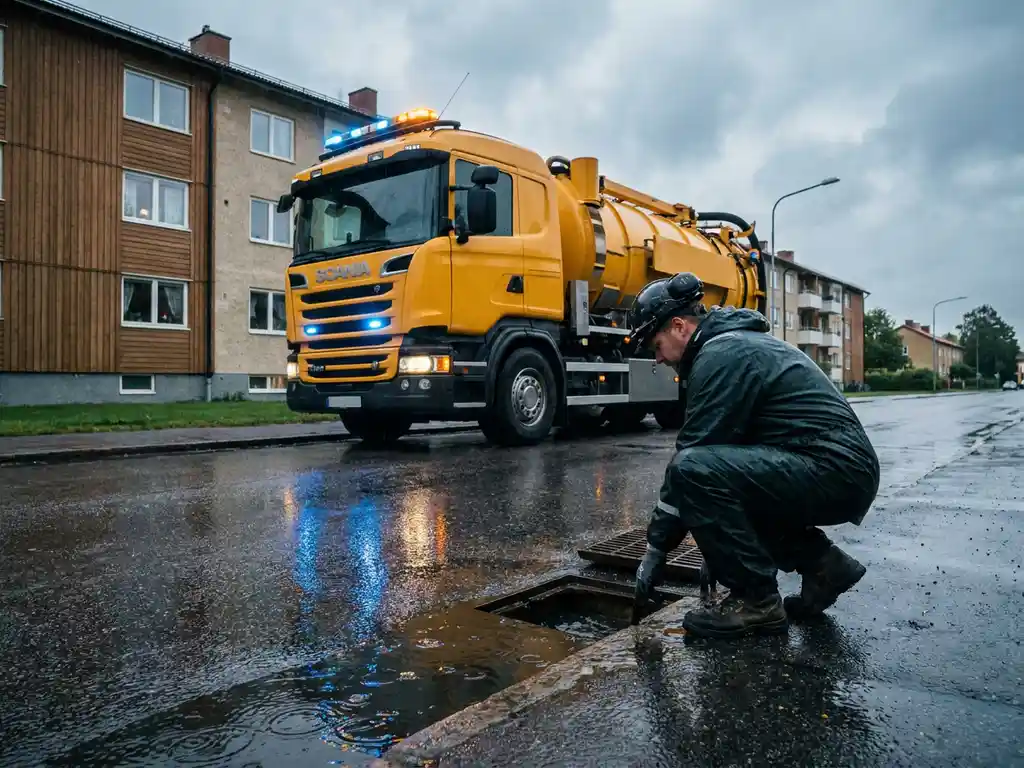
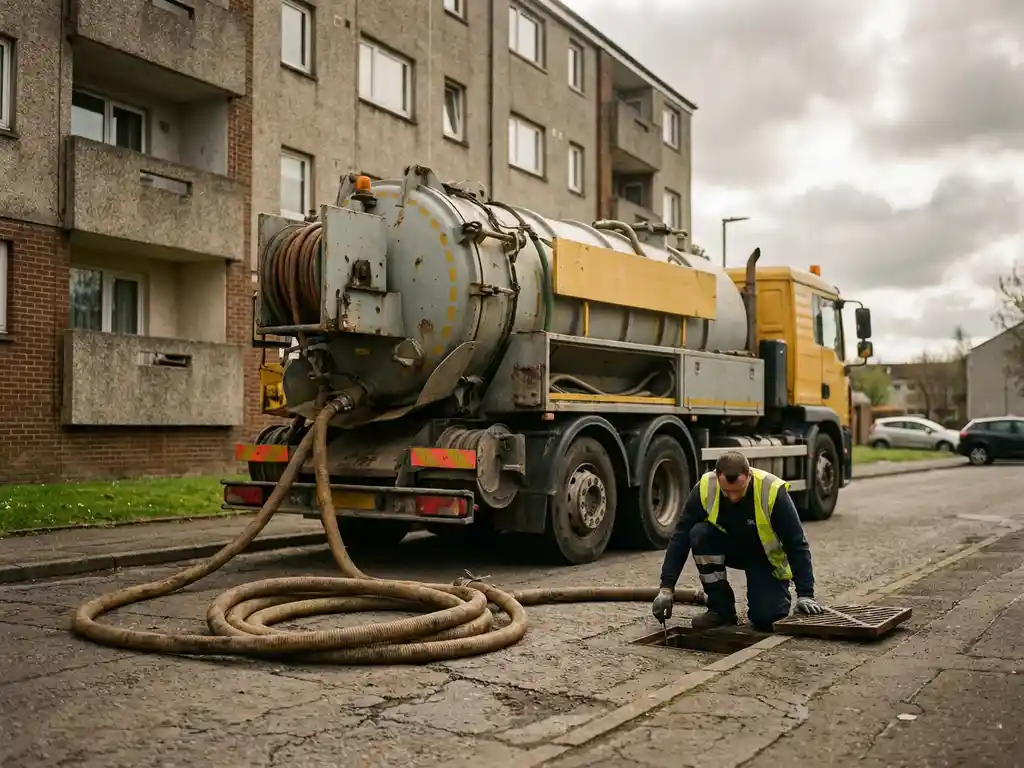
One of the most important things to check in old houses is the condition of the drainage ditches. If the drains are missing or not working properly, the bottom of the house can be damaged. When you buy an old house, you should start by checking the condition of the drainage ditches. You can check the function of the ditches by draining water into the top inspection well. Then check that the water does not collect in the cover ditch system. Flushing old ditches can improve their function. However, this measure is not always a long-term solution. The best way to find out the condition of the ditch system is by filming. At the same time, it is worth finding out about the soil structure around the house and whether there is any vegetation on the walls. Remember to also check the condition of the roof drain pipes, the damp-proofing mats and the moisture valve.
Insulation
The insulation of old houses should be checked and replaced with more modern insulation if necessary. In older houses, it is common to use sawdust as thermal insulation. Over time, sawdust compresses and is also sensitive to moisture and mold. When renovating, it is therefore always advisable to at least replace the insulation with more modern ones. Proper insulation prevents moisture damage and also retains heat better, which leads to lower electricity bills.
Ventilation
Many older houses suffer from poor ventilation. It is worth checking and fixing the ventilation as soon as possible. This will prevent moisture damage. Ventilation is important for the roof, facade and floor. Ventilation of the intermediate roof is important to keep the roof structure dry. Ventilation can be improved by adding ventilation hatches or low pressure fans. Facade ventilation can be problematic as the replacement air comes directly through the structure.
As the ground surface rises over the years, it can prevent the ventilation of the floor. If the house does not have a floor and a ventilated crawl space, the risk of moisture damage is also greater and it is worth checking the structure.
Wet areas
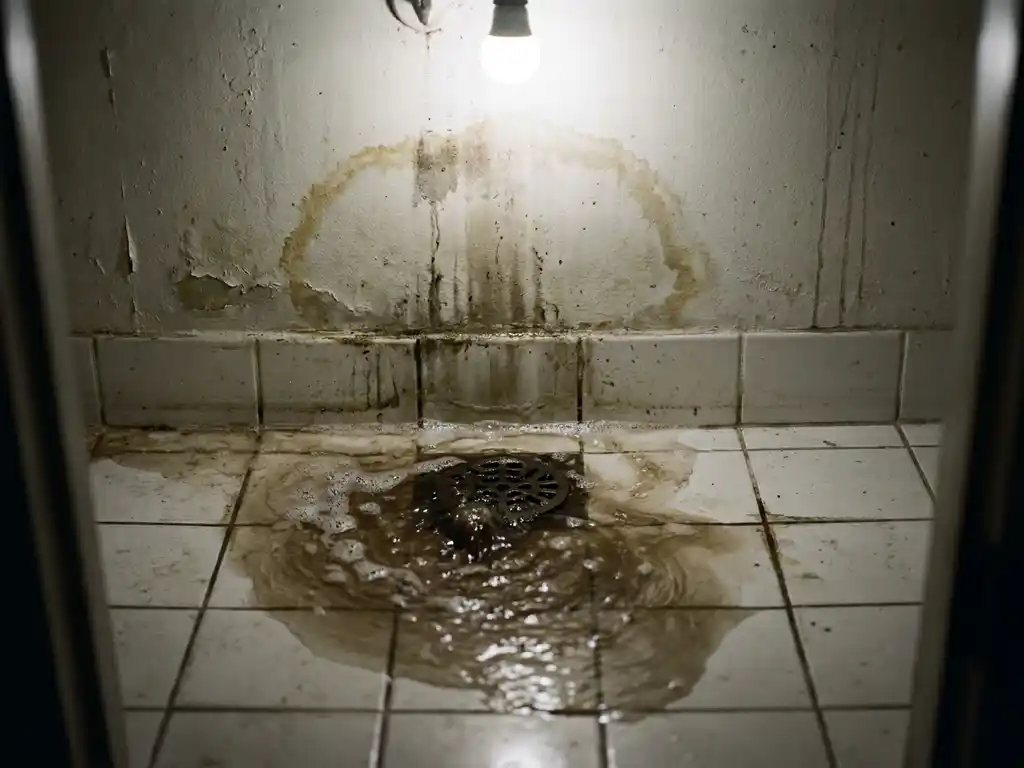
A common problem with old houses is the inadequacy of the wet room structures. Sometimes wet rooms have been installed in the basement of the house without the necessary air vents and with inadequate ventilation. These things should be checked quickly and modernized to today's standards. When renovating bathrooms, it is worth taking into account that old wooden houses are alive and humidity causes the wooden structure to expand and shrink. The most important thing is to have proper waterproofing and keep an eye on ventilation. A shower enclosure reduces the humidity in the air and prevents moisture damage. Nowadays, it is recommended to leave the pipes visible on the surface. This allows potential damage to be noticed more easily.
Roof structure
A leaking or defective roof is one of the biggest problems with old houses. The roof may have been damaged, causing water to flow into the intermediate roof. Water or snow can get into the intermediate rafters via faulty eaves or leaking details. The roof may have ventilation ducts or roof hatches with poor insulation. This allows moisture to creep into the structure. An old, incorrectly installed flat roof or a pitched roof retrofitted on top of the flat roof can lead to moisture damage. Upgrading the roof to modern standards can extend the life of the house and prevent damage altogether.
Old pipe installations
If the villa you have purchased still has original plumbing, it is important to carefully survey the condition of the pipes. A large part of the pipes are hidden inside the structure, which can make it difficult to assess their condition from the outside. Very often the interior of the piping is in worse condition than you would expect.
It is worth filming the drains if you know that the pipework is over 35 years old, or that cast iron or concrete has been used as a material. The sooner you carry out a proper pipe renovation, the better. When moisture damage occurs, you may be forced to tear down and replace building structures. Insurance does not necessarily cover moisture damage if the condition of the piping system is not surveyed in time.
Self-made electrical connections
In old houses, you can come across the strangest electrical connections, sometimes even dangerous. Old wiring itself can be a risk, because over time it becomes brittle. Old electrical installations are not designed for today's smart devices and the amount of appliances. Often the amperage and the electrical panel are sufficient, but it is worth having a professional assess whether the switchboard needs to be replaced altogether. The electricity in houses built in the 1950s and earlier has run its course. If an electrical fault has already occurred in the home and the resident has not called an electrician to fix it, the insurance company will not necessarily pay compensation if electrical damage occurs again.