Annual plumbing checks help you spot problems before they become costly repairs. By checking plumbing fixtures, drains and toilets regularly, you can prevent water leaks, sewer backups and other plumbing problems. The most important areas to inspect include bathroom seals, kitchen faucets, toilet flushing, and the functioning of sewer pipes.
What plumbing problems can be prevented with annual checks?
Regular plumbing checks prevent the most common problems such as water leaks, sewer blockages, running toilets and poor flushing. These problems are often discovered too late when the damage is already extensive and the cost of repair high.
Water leaks are the most costly problem you can avoid through annual pipe inspection. Small leaks behind walls or under floors can go on for months before you notice them, leading to moisture damage and mold problems. By checking visible water pipes and looking for signs of moisture, you can stop leaks early.
Sewer problems develop gradually, showing early warning signs such as slow draining or gurgling sounds. Annual drain checks will help you identify when pipes are starting to clog, before you get a complete stoppage that requires emergency plumbing service.
Toilet problems such as running water or poor flushing are often easy to fix if detected early. A toilet that runs continuously can significantly increase your water bill over a year.
What should be checked in the bathroom and toilet every year?
Bathroom checks focus on seals, water supply, drainage and ventilation. Check all silicone seals around the bath, shower and sink for cracks or loose areas that could let water through.
Test the flushing of the toilet by flushing several times and listening for unusual sounds. Check that the water in the toilet bowl is at the correct level and not sinking or rising. Check around the base of the toilet for signs of moisture that may indicate a leak from the sealing ring.
Inspect all visible water pipes for signs of corrosion, leaks or loose connections. Open and close all taps to check that they are working smoothly and not leaking. Test the water pressure in both the hot and cold water taps.
Check the bathroom's ventilation by holding a piece of paper against the ventilation grille when the fan is on. The paper should stick, indicating that the ventilation is working. Poor ventilation leads to moisture problems and mold growth.
How to check kitchen taps and water installations?
Kitchen checks start with a thorough inspection of the kitchen faucet and its connections. Test both hot and cold water to ensure even water pressure and check that the mixer is working properly with no leaks from spout or connections.
Open the cabinet under the sink and inspect all water pipes with a flashlight. Look for signs of moisture, corrosion or white precipitation that could indicate a leak. Check that all connections are tight and that the shut-off valves are working.
Test the sink drain by filling the sink with water and then letting it out. The water should drain away quickly without gurgling or stopping. Check under the sink that the drain pipes are tight and not leaking.
If you have a dishwasher connected to the tap, check that the connection is tight and that the hose has no cracks. Run the dishwasher and check under the sink that no leaks occur during operation.
What are the signs that the sewer system needs servicing?
Warning signs of sewer problems include slow drainage, foul odors from drains, gurgling sounds, and recurring stoppages. These symptoms develop gradually and get worse over time if ignored.
Slow runoff in several drains at once indicates a problem in the main drain. If only one drain is slow, the problem may be localized and easier to fix. Test all drains in the home to localize the extent of the problem.
Bad odors from drains may be due to dried out traps or the accumulation of organic matter in the pipes. Check that all drains are used regularly so that the water traps do not dry out. Drains that have not been used for several months should be flushed with water.
Gurgling sounds as water drains away indicate ventilation problems in the sewer system. This may be a sign of partial blockage or problems with the roof drain ventilation.
Recurring blockages in the same drain, even after cleaning, usually indicate structural problems that require professional investigation and repair.
When should you contact a professional plumber for a check?
Professional plumbing services are needed when your own checks show signs of serious problems or when you live in an older property with complicated installations. Contact a plumber if you notice water leaks, large pressure changes or recurring sewage problems.
Older properties built before 1970 should have professional plumbing checks every two years. Older copper or cast iron pipes may have corrosion problems that require expert assessment. Even modern installations may need professional inspection if they are complicated with many connections.
Contact a plumber immediately if you notice sudden changes in water pressure, discolored water or metallic taste in the tap water. This may indicate serious problems with the water pipes that require immediate action.
Signs of moisture damage such as soft floors, mold smell or stains on walls require professional investigation. Hidden water leaks can cause extensive damage before they are detected.
How 24 Center helps with HVAC checks and maintenance
We offer comprehensive services for both preventive maintenance and emergency repairs around the clock, every day of the year. Our qualified plumbers perform professional checks and solve all types of plumbing problems with a focus on long-term solutions.
Our plumbing services include:
- Professional plumbing checks and pipe inspection
- Repairing water leaks and sewage problems
- Installation of new taps, toilets and water installations
- Emergency service for running toilets and sewer blockages
- Preventive maintenance to prevent future problems
- Replacement of old water pipes and sewer pipes
With our nationwide network of local technicians, we ensure short response times and accurate service. Our plumbers know the local building stock and can quickly identify and solve problems specific to your region.
For emergency plumbing problems, call 08 40 24 240 and we will help you right away. For planned checks and less urgent matters, you can easily book online at 24center.se. We make it easy for you to get professional plumbing help when you need it.
Frequently asked questions
How often should I do plumbing checks in my home?
For modern installations, annual checks are sufficient, while older properties built before 1970 should be checked every two years. However, some components such as the functioning of the toilet and the tightness of the kitchen tap should be checked more frequently, preferably every six months.
How much does it cost to have a professional plumber do a thorough plumbing check?
A professional plumbing check usually costs between €1,500-3,000 depending on the size of the home and the complexity of the installations. This is a small cost compared to repairing water leaks, which can cost £20,000-50,000 or more.
Can I do all the plumbing checks myself or do I always need a plumber?
You can carry out basic checks yourself, such as testing taps, checking seals and listening for unusual noises. However, you should contact a professional plumber to check for hidden pipes, pressure test the system and when you notice signs of serious problems.
What tools do I need to do my own plumbing checks at home?
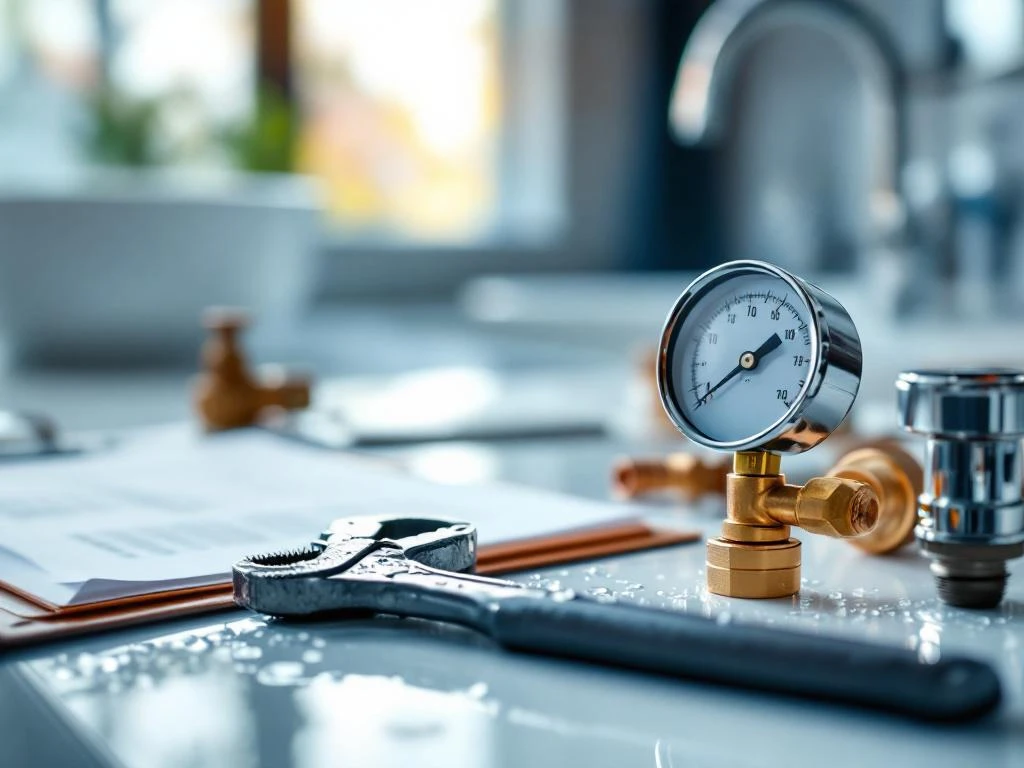
You will need a torch to inspect dark spaces, a piece of paper to test ventilation, and possibly a simple pressure gauge to measure water pressure. Most checks can be done with the naked eye and by listening for unusual sounds.
What should I do if I detect a minor water leak during my annual check?
Immediately turn off the water supply to the affected area and contact a plumber the same day. Even small leaks can quickly develop into larger problems and cause moisture damage. Document the leak with photos for insurance purposes.
How can I prevent sewer blockages between annual inspections?
Avoid flushing grease, hair and foreign objects down the drains. Use drain strainers in the shower and sink, and regularly flush unused drains with hot water to prevent water traps from drying out. Also run the dishwasher and washing machine with hot water monthly.
Is plumbing damage covered by home insurance if I haven't done regular checks?
Many insurance companies require you to show that you have taken reasonable maintenance measures to get full compensation for plumbing damage. Document your annual checks with the dates and any actions you have taken, as this can be crucial for insurance compensation.