Electrical problems in the home are more common than many people think and can range from minor annoyances to serious safety risks. Most Swedish households experience some form of electrical fault every year, from power cuts and faulty sockets to flashing lights and overheating. Understanding these problems will help you react correctly and know when you need professional help.
What are the most common electrical faults that occur in Swedish homes?
The most frequent electrical problems in Swedish homes include power cuts, faulty sockets, flashing lights, overheating of components and short circuits. These electrical faults affect both older and newer properties, but the causes often differ depending on the age of the building and the condition of the electrical installation.
Power cuts top the list of common electrical faults and are most often due to overloading of the electrical system. When you use too many appliances at the same time on the same circuit, the fuse can blow to protect the installation. This is particularly common during the winter months when electric heating, ovens and other energy-intensive appliances are used more intensively.
Defective electrical outlets are noticeable by appliances not receiving power or the outlet feeling hot. The problem may be due to loose connections, wear and tear or moisture damage. Flashing lights often indicate problems with plugs or voltage fluctuations in the mains.
Overheating of electrical components is a more serious problem that can be felt through hot odors or sockets and switches becoming hot to the touch. This requires immediate attention as it can lead to fire.
What causes power cuts and how can they be prevented?
Power cuts are mainly caused by overloads, faulty fuses, old electrical installations or appliance failures. Overloading occurs when you draw more current than the circuit is designed for, causing the fuse to blow as a safety measure.
Old electrical installations with outdated fuses or insufficient capacity are particularly vulnerable to overloading. In older Swedish houses from the 1960s and earlier, the electrical installation may be undersized for the energy needs of modern household appliances.
To prevent power outages, you should:
- Avoid using several energy-consuming appliances simultaneously on the same circuit
- Check that the fuses have the correct amperage for the circuit
- Have an electrician inspect old electrical installations regularly
- Consider upgrading to RCDs and more modern fuse boxes
- Distribute the load evenly between different circuits
If power cuts occur repeatedly on the same circuit despite following this advice, it indicates a deeper problem that requires professional assessment.
How to recognize dangerous electrical problems in the home?
Dangerous electrical safety problems show themselves through clear warning signs that should never be ignored. Burning odors, sparks from outlets, hot switches, and flickering lights are all signs of problems that require immediate professional help.
Burning odors from electrical outlets or fuse boxes indicate overheating and potential fire hazard. If you notice this odor, immediately turn off the power to the affected circuit and contact an electrician.
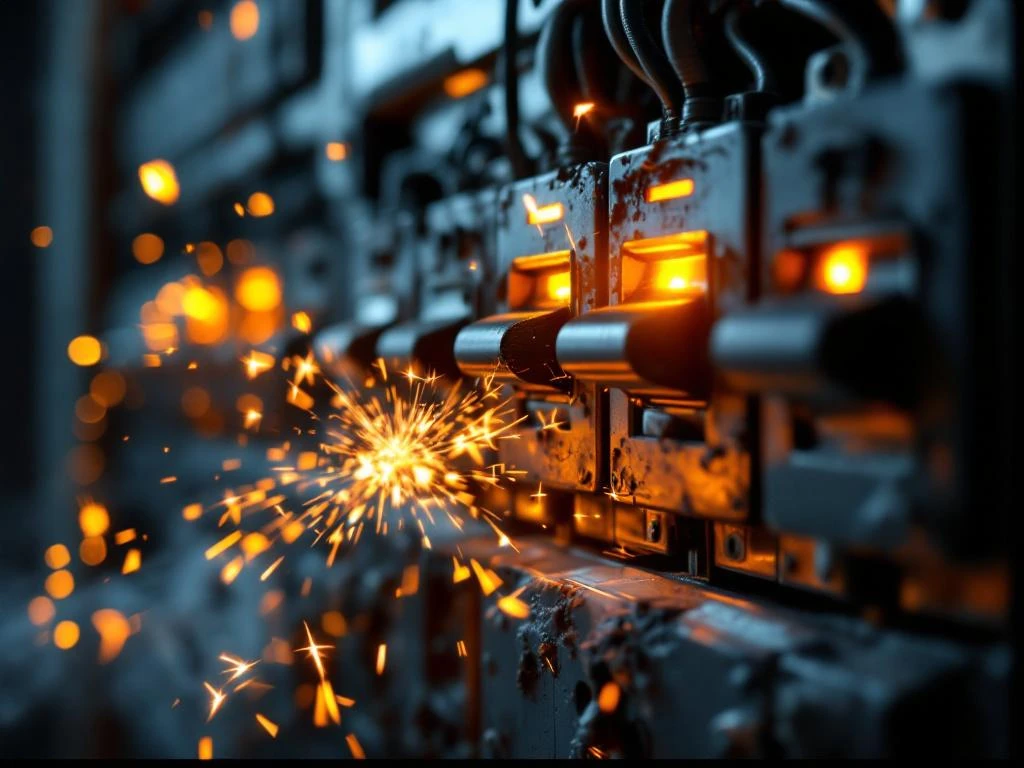
Sparks when inserting or removing plugs are not normal and indicate bad contacts or a short circuit. Hot electrical outlets or switches indicate overloading or faulty connections that can lead to fire.
Other serious warning signs include:
- Electric shocks from appliances or switches
- Crackling sound from electrical outlet or fuse box
- Lights flickering or dimming when appliances start
- Fuses that blow repeatedly without clear cause
- Discoloration around electrical outlets from heat
If you notice any of these signs, contact an authorized electrician immediately. Never try to repair these problems yourself.
Which electrical faults can you fix yourself and which require an electrician?
Safe DIY measures are limited to simple electrical work such as changing light bulbs, fuses and batteries in smoke detectors. All other electrical work requires an authorized electrician according to Swedish safety regulations and insurance conditions.
You can manage yourself:
- Replacement of light bulbs and fluorescent tubes
- Resetting of earth leakage circuit breakers
- Replacement of fuses (plug and screw fuses only)
- Cleaning electrical outlets (when the power is off)
- Checking that appliances are connected correctly
Electrical work requiring a licensed electrician includes all installations, repairs to fixed installations and work on fuse boxes. This includes replacing sockets, switches, installing new circuits and any connection to the household electrical installation.
The reason for these restrictions is both legal and practical. Improperly carried out electrical work can cause fire, electric shock and death. In addition, home insurance may be invalidated if unauthorized persons carry out electrical work which then causes damage.
The Swedish Electrical Contractors Association requires that all fixed electrical installations be carried out by an authorized electrician who can guarantee the safety and quality of the work.
How we help with electrical emergencies and safety
At 24 Center, we offer 24/7 professional electrician services to resolve both emergency electrical issues and planned security upgrades. Our licensed electricians handle everything from power outages and short circuits to the installation of modern security systems and access control.
Our services include:
- Emergency hotline for power outages and safety risks
- Troubleshooting and repair of electrical installations
- Installation of RCDs and modern fuse boxes
- Safety inspection of existing electrical installations
- Installation of electrical locking and alarm systems
- Upgrading electrical installations for increased safety
With our local network of specialists, we can get to you quickly when electrical problems arise. Our technicians are familiar with the specific challenges of the Swedish building stock and can therefore offer accurate solutions.
Contact us on 08 40 24 240 for immediate help with electrical emergencies, or book online for planned electrical work and safety inspections.
Frequently asked questions
How often should you have an electrician inspect your home's electrical installation?
For modern homes (built after 1990), inspection is recommended every 10-15 years, while older properties should be inspected every 5-10 years. However, if you experience recurring electrical faults, notice warning signs or are planning major renovations, you should contact an electrician immediately regardless of when the last inspection was done.
What is the cost of upgrading from old fuses to modern RCDs?
The cost of upgrading to RCDs varies between 15 000-40 000 SEK depending on the size of the house and the existing installation. However, the investment is justified as RCDs dramatically reduce the risk of electrical accidents and fire, and are often required to maintain the validity of home insurance.
Can old electrical installations cope with modern household appliances such as heat pumps and electric car chargers?
Many older Swedish homes have electrical installations sized for 10-16 amps per circuit, which is insufficient for modern energy-intensive appliances. Heat pumps and electric car chargers often require dedicated circuits with higher capacities and may necessitate upgrading the entire electrical panel and connection from the grid.
What to do if the RCD trips repeatedly for no apparent reason?
Repeated tripping of the RCD indicates a ground fault somewhere in the installation, which is a serious safety issue. Disconnect all appliances from the circuit and try to reset the breaker. If the problem persists even without appliances connected, there is probably a fault in the fixed installation that requires immediate professional assessment.
How can you reliably identify which circuit is causing problems when fuses blow?
Turn off all appliances and reset the fuse. Then switch on the appliances one by one to identify the one causing the problem. If the fuse blows without any appliances being switched on, there is a fault in the fixed installation. Document which rooms and outlets are affected by each fuse for future reference.
Does home insurance affect you if you have an electrical fault or do your own electrical work?
Yes, most home insurance policies require electrical work to be carried out by a licensed electrician in order to maintain cover. If fire or damage is caused by improperly performed electrical work, the policy may refuse coverage. Some policies also require regular electrical safety inspections, especially for older properties.
What are the first actions in case of suspected electrical fire or strong burning smell from the electrical installation?
Immediately turn off the power to the affected circuit via the fuse box, ventilate the premises and contact an electrician urgently. Never use water on electrical fires - use only powder extinguishers labeled for electrical fires. If you cannot locate the source or the smell is strong, turn off the main power and contact both the electrician and the emergency services.