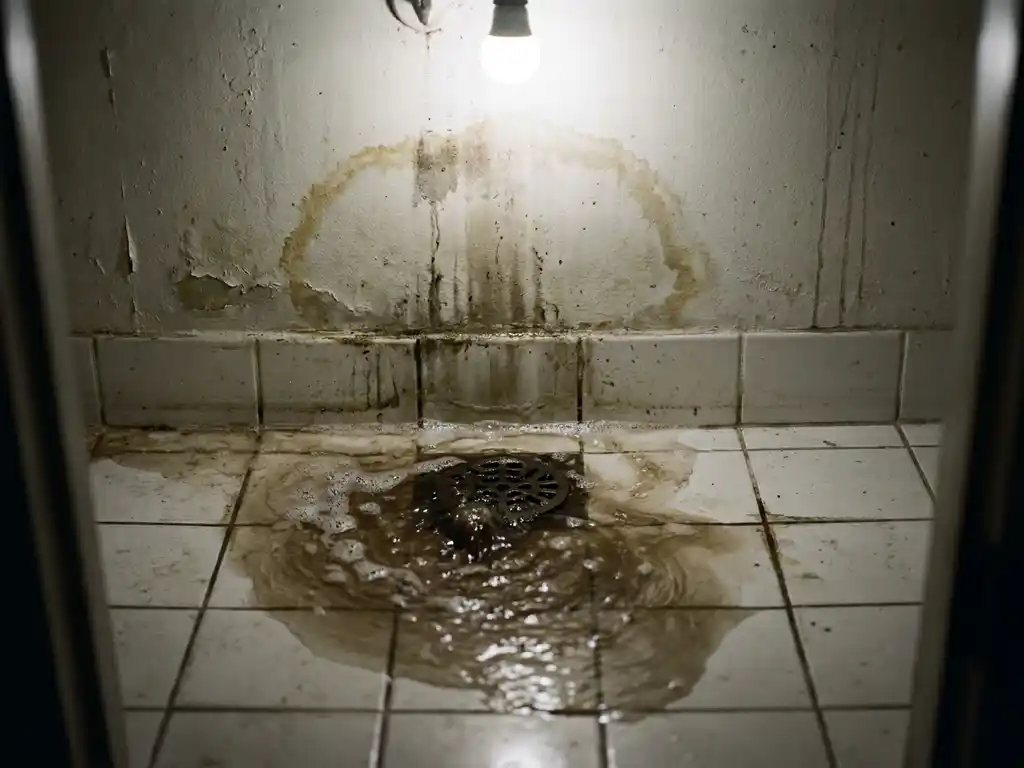

A poorly functioning drainage system manifests itself through several clear warning signs. Slow drainage is often the first sign, followed by bubbling noises from the drain, unpleasant odors, and, in the worst case, backflow of water. These signs indicate that drainage problems are beginning to develop and that drain cleaning may soon be necessary. If you ignore these warnings, you risk greater damage and significantly more expensive repairs.
What are the most obvious signs that the drain is blocked?
The most obvious warning signs of a blocked drain include slow drainage where water remains longer than usual, bubbling or gurgling noises from the drain, unpleasant odors coming up through the drain, and backflow of water in the sink or shower. These signs occur when the drainage system experiences restricted flow due to accumulations of grease, hair, food scraps, or other contaminants.
Slow drainage is often the first sign you notice. When water takes longer than usual to disappear from the sink or shower, it means that something is obstructing the natural flow. Bubbling noises occur when air is forced through partially blocked pipes, creating a characteristic gurgling sound.
Unpleasant odors from the drain often indicate that organic material has become trapped and started to rot in the pipes. This is particularly common in kitchens where grease and food scraps can accumulate. Backflow of water is the most serious sign and requires immediate attention as it indicates a significant blockage in the drainage system.
How often should you clean your drain to avoid problems?
Preventive maintenance of drain pipes should be performed every three to six months in normal households. Larger families or households that cook frequently may need to clean their drains more often, while smaller households can get by with longer intervals. Regular cleaning prevents minor problems from developing into major drainage issues.
To create an effective maintenance routine, start by identifying which drains are used most intensively. The kitchen sink usually needs the most attention due to grease and food residue, while the bathroom can suffer from hair and soap residue.
Mark the date when the drain was last cleaned and set reminders in your calendar. A good routine includes weekly flushing with hot water and a more thorough cleaning every month. This preventive approach saves both time and money in the long run by avoiding urgent problems with the drain.
What happens if you ignore early warning signs from the sewer?
Ignoring early signs of sewer problems leads to escalating damage that can include complete blockages, flooding in the home, structural damage to the property, and significantly higher repair costs. In addition, standing water and poor drainage can create health risks through bacterial growth and mold.
When minor blockages in the drain are allowed to develop freely, they often grow into complete blockages that require professional drain cleaning services. What could initially have been solved with simple home cleaning may then require advanced equipment and incur significantly higher costs.
Flooding from blocked drains can cause water damage to floors, walls, and furniture. This damage is often expensive to repair and can take weeks to fix. In addition, moisture damage creates ideal conditions for mold growth, which can affect indoor air quality and the health of family members.
What home remedies can help with minor drainage problems?
Safe DIY solutions for minor blockages include flushing with very hot water, a combination of baking soda and vinegar, and careful use of a standard rubber plunger. These methods work best on fresh blockages before they develop into larger drainage problems that require professional plumbing assistance.
Hot water is often the simplest solution for grease-based blockages. Boil several liters of water and slowly pour it down the drain in several batches. The heat helps dissolve grease and other organic material that may have become stuck.
Baking soda and vinegar create a natural reaction that can help dissolve minor blockages. First pour in a cup of baking soda followed by a cup of vinegar, cover the drain for 15 minutes, and then rinse with hot water. This method is environmentally friendly and gentle on pipes.
A rubber plunger can help with superficial blockages by creating pressure that loosens the blockage. Use strong, rhythmic movements, but be careful not to damage the drain pipes or connections.
When should you contact a professional plumber instead of trying to do it yourself?
Professional plumbing assistance is required when home remedies do not work after repeated attempts, when multiple drains are blocked at the same time, when problems recur despite regular cleaning, or when there is a risk of backflow and flooding. These situations indicate deeper problems in the drainage system that require special equipment.
If you notice that the same drain keeps clogging week after week despite your efforts, there is probably a deeper problem that requires professional diagnosis. It could be structural problems with the pipes, faulty installation, or larger blockages further down the system.
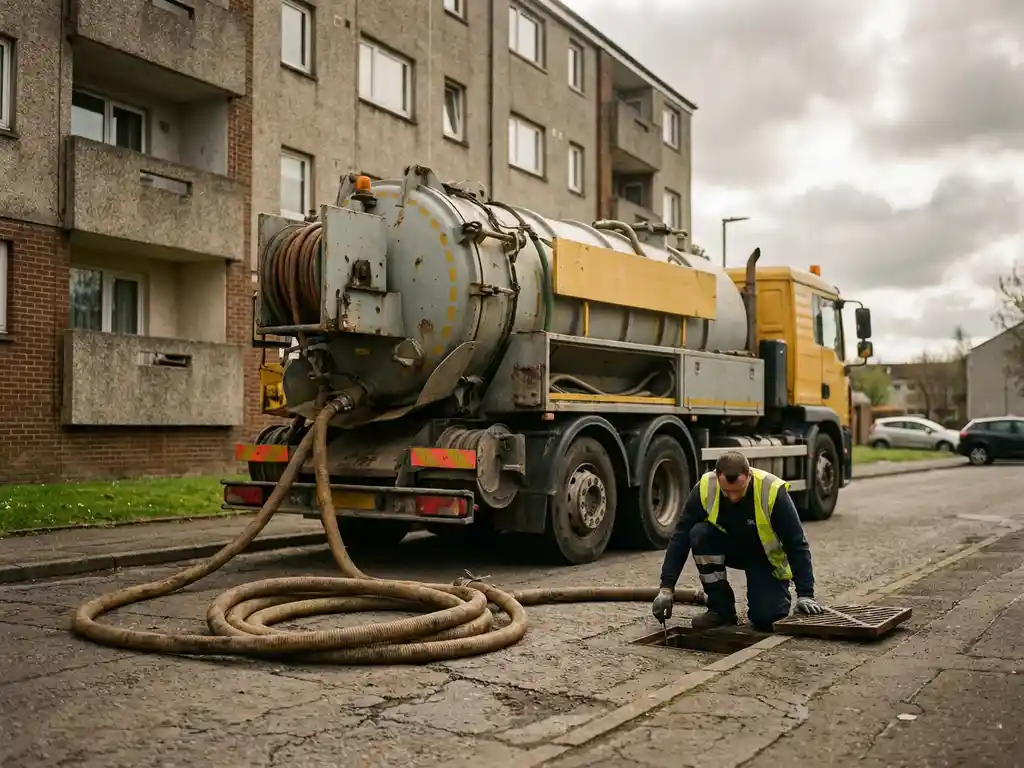
When several drains in your home are affected at the same time, it often indicates problems in the main pipe connecting your home to the municipal sewage system. These problems are always too complicated for DIY solutions and require specialized equipment such as flushing trucks.
Backflow of water or visible sewage coming up through floor drains are urgent situations that require immediate professional assistance to avoid extensive water damage and health risks.
How 24 Center helps with drainage problems
We offer professional drain cleaning services with on-call drain cleaning drivers who are ready to help you with all types of drainage problems around the clock. Our local technicians use hot water in combination with high pressure to effectively clear blockages in drains in an environmentally friendly way.
Our services include:
- Emergency sewer cleaning with a flushing truck that can be on site within 15 minutes
- Pipe flushing to clean the entire property's drainage system
- Pipe inspection with camera to identify deeper problems
- Planned maintenance flushing to prevent future blockages
När du upplever avloppsproblem kan du ringa 020 74 24 70 för akuta ärenden eller boka service online för mindre brådskande underhållsarbeten. Våra kvalificerade tekniker har djup kunskap om lokala byggnadsförhållanden och kan snabbt diagnostisera och lösa ditt problem från början till slut – på dina villkor.
Frequently asked questions
How much does it cost to hire a professional drain cleaning service compared to trying to solve the problem yourself?
The cost of professional drain cleaning services varies depending on the extent of the problem, but is often between $200 and $500 for standard jobs. Although this may seem expensive, it is often cheaper than risking water damage from flooding or having to replace damaged pipes. Homemade solutions only cost a few dollars but only work on minor, superficial blockages.
Can you prevent sewage problems by changing your daily habits?
Yes, simple everyday habits can significantly reduce the risk of drainage problems. Avoid pouring grease and cooking oils down the sink, use a drain strainer to catch hair and food scraps, and never flush wet wipes or hygiene products down the toilet. Regular flushing with hot water after use also helps keep pipes clean.
What should you do if sewage problems arise in the middle of the night or on weekends?
Vid akuta avloppsproblem som översvämning eller återströmning, stäng av vattentillförseln omedelbart och kontakta jour-service som 24 Center på 020 74 24 70. För mindre brådskande problem kan du försöka med hemmagjorda lösningar som varmt vatten eller bakpulver och ättika tills professionell hjälp blir tillgänglig.
How can you tell if the problem lies in your own sewage system or in the municipal pipes?
If only one or two drains in your home are affected, the problem is likely to be in your property's internal system. However, if all drains are blocked at the same time, or if your neighbors are also experiencing problems, there may be a blockage in the municipal main pipe. In this case, contact both your municipality and a plumber to clarify who is responsible.
Are there any seasonal factors that increase the risk of sewage problems?
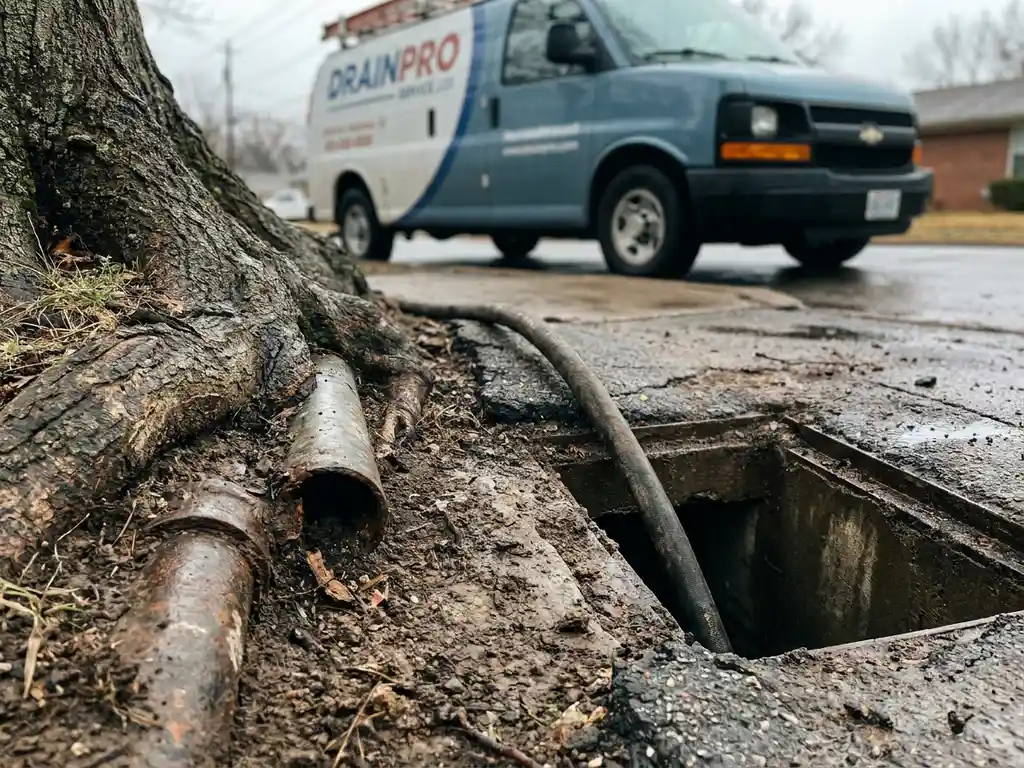
Yes, autumn and winter bring increased risks due to leaves that can clog downspouts and drainage systems, as well as freezing that can cause pipe breaks. During the summer, tree roots can grow into sewer pipes and cause blockages. Regular inspection and maintenance before and after these risk periods can prevent many problems.
Can chemical drain cleaners be used safely, and when should they be avoided?
Chemical drain cleaners can work on minor blockages but should be used sparingly as they can damage older pipes and are harmful to the environment. Avoid them altogether in older properties with cast iron pipes or if you have a septic tank. They are also ineffective against hair blockages and can be dangerous to combine with other cleaning products.
How long does it usually take for a professional to resolve various types of drainage problems?
Simple blockages in individual sewage systems can often be resolved within 30-60 minutes using a flushing truck. More complicated problems that require camera inspection or main pipe flushing can take 2-4 hours. In the case of major damage or pipe replacements, the work can take several days, but most routine problems are resolved on the same day that the technician arrives.