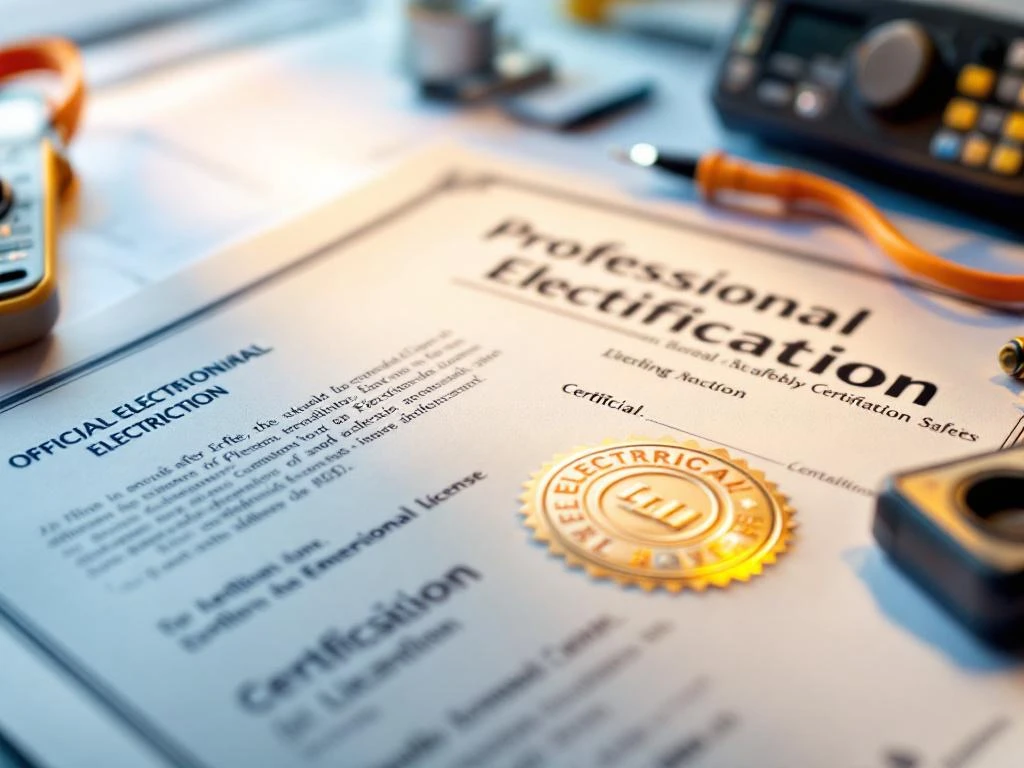
An electrician must have several basic certifications to legally carry out electrical installations in Sweden. These include personal authorization, registration as an electrical installation company and specific certificates of competence depending on the area of work. Authorized electricians have extended powers compared to non-authorized ones, which affects what electrical work they can perform. You can easily check an electrician's qualifications through official registers before hiring them.
What basic certifications must an electrician have?
An electrician in Sweden must have personal authorization from the Swedish Electrical Safety Authority to carry out electrical installations. This requires approved training, practical experience and passing a theoretical test. Electricians must also be employed by or own a registered electrical installation company that is on the Swedish Electrical Safety Authority's register.
The personal authorization is divided into different classes depending on the voltage level and the working area. Class 1 applies to low-voltage installations up to 1000 V AC, which covers most residential and office installations. For high-voltage work, higher classes of competence are required with more extensive training and experience requirements.
The electrical installation company must have a technically responsible person who monitors that all work is carried out in accordance with the applicable regulations. This person is responsible for the company's technical competence and ensures that the installations comply with the Electrical Safety Act and the regulations of the Electrical Safety Authority.
What is the difference between an authorized and non-authorized electrician?
Authorized electricians have extended powers to carry out more advanced electrical installations and may connect installations directly to the electricity grid without external control. Non-authorized electricians must have their installations checked by authorized personnel before connection. Authorization requires longer training, more practical experience and higher competence requirements.
An authorized electrician can carry out all types of electrical installations within their competence and is entitled to issue self-inspection certificates. They may also connect new installations to the electricity network and make changes to existing installations without external control.
Non-licensed electricians often work under the supervision of licensed personnel and focus on simple installation work such as sockets, lighting and minor repairs. They can carry out skilled electrical work but must have their installations approved by a licensed electrician before they are put into operation.
How can you check if an electrician has the right qualifications?
You can check the competence of an electrician through the public register of the Electrical Safety Authority on their website. There you can search by company name or organization number to verify that the electrical installation company is registered and has valid qualifications. The register also shows the type of authorization the company has and when it was last renewed.
Always ask to see the electrician's personal certificate of competence and check that it is valid. The certificate of competence should contain information on the class of electrical work the person is authorized to perform and when the competence expires. Personal qualifications must be renewed regularly through continuous training.
Also check that electricians have valid liability insurance covering electrical installation work. Reputable electrical installation companies always have comprehensive insurance cover for their work and can provide proof of insurance on request.
What specialist certifications are available in the electrical sector?
In the electrical sector, there are several specialist areas that require additional certifications beyond the basic qualification. Alarm and security systems require specific training and certification from manufacturers or trade associations. This specialization covers intruder alarms, fire alarms, CCTV and access control systems.
Industrial electronics and automation require in-depth knowledge of control systems, frequency converters and process automation. Many electricians specialize in specific brands or technologies in this field. Renewable energy, especially photovoltaics and electric vehicle charging stations, have become important specialist areas with their own certification requirements.
Smart home technologies and IoT installations require knowledge of network technologies and digital communication protocols. Electricians in this field often need certifications from technology companies and continuous training to keep up with rapid technological developments.
How 24 Center ensures qualified electricians for security systems
We only work with certified electricians who have documented authorization from the Electrical Safety Authority and specialist expertise in security installations. Our technicians undergo regular training in locks, alarms and security systems to ensure the highest quality of all installations.
Our electricians have specialist certifications in:
- Electronic locking systems and access control
- Intrusion alarms and security monitoring
- Smart security solutions and home automation
- Integrated security systems for buildings
We ensure that all our technicians have valid liability insurance and comply with industry safety standards. Through our quality system, we regularly check that our electricians maintain their certifications and participate in continuous skills development.
Call us on 08 40 24 240 for professional assistance with security technology installations 24/7, or contact us via our website for planned security updates in your home or property. Read more about our services to find the right security solution for your needs.
Frequently asked questions
How often does an electrician have to renew their personal qualification?
Personal certification from the Electrical Safety Authority must be renewed every five years by completing mandatory continuing education and demonstrating that you are still actively working in the electrical industry. Electricians must accumulate a certain number of continuing education hours to maintain their qualification.
What happens if I hire an electrician without valid qualifications?
If you hire an electrician without a valid license, you risk the electrical installation not being approved by the network owner, which could lead to the power being cut off. You may also lose insurance cover in the event of damage and risk fines from the Electrical Safety Authority.
Can an electrician from another EU country work in Sweden?
Yes, electricians from other EU countries can work in Sweden by applying to the Swedish Electrical Safety Authority for recognition of their qualifications. They must show that their education and experience correspond to Swedish requirements and may need to complete additional tests or training.
What electrical work can I do myself as a homeowner without an electrician?
As a homeowner, you can change fuses, lights, and plugs, and install fixed appliances that plug into existing sockets. You may not lay new cables, install new circuits or make changes to the electrical panel - this requires a qualified electrician.
How much does it cost to hire an authorized electrician compared to non-authorized?
Authorized electricians usually charge 10-20% higher hourly rates than non-authorized ones, but you often save money overall because they can carry out all the work without external control. This eliminates extra costs for inspection and approval of the installation.
What should I ask an electrician before hiring them for security installations?
Ask about their specialist certifications in security systems, ask to see references from similar projects, and check that they have experience in the particular type of security solution you need. Also, ask for a detailed quote that includes all components and labor hours.
How long does it take to become an authorized electrician in Sweden?
It usually takes 4-6 years to become an authorized electrician, including 3-4 years of secondary education in the electrical and energy program, 2 years of professional experience, and passing the authorization exam. The time may vary depending on the educational path and practical experience.