When you need to hire an electrician, there are several payment options for electrician services to choose from. Most electricians accept cash, debit cards, Swish, bank transfer and invoicing. The choice of payment method rarely affects the price, but can influence when payment is required and what terms apply. Emergency electrician visits often require immediate payment, while planned work can often be invoiced.
What payment methods do electricians usually accept?
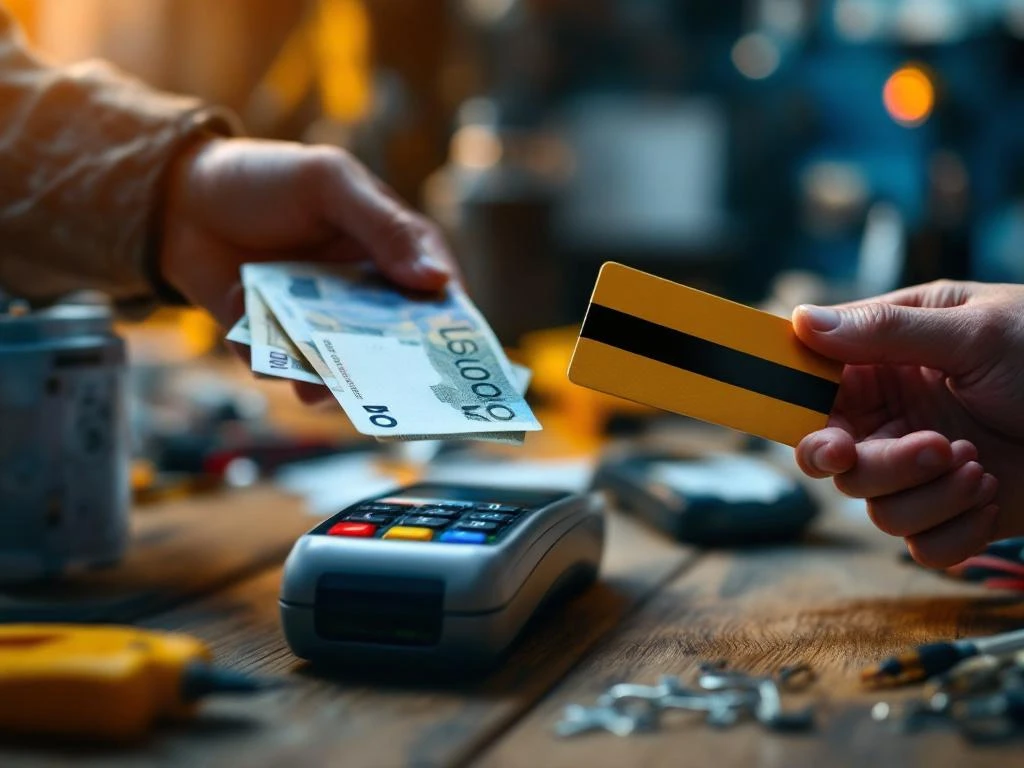
Electricians usually offer several payment options to make it easy for customers to pay electricians. The most common methods include cash, debit cards (both Visa and Mastercard), Swish, bank transfer and traditional invoicing. Many electricians also have the option of accepting payments via mobile terminals directly on site.
Cash payment always works but is becoming less common. Bank card payments are convenient and safe for both parties, while Swish has become very popular for quick payments immediately after work is done. Bankgiro is mainly used for invoices paid in arrears.
For emergency electrician visits, short payment electrician or Swish is often most convenient as payment can be made immediately when the work is completed. For planned installations or larger jobs, invoicing is often offered as a payment option.
How much does it cost to hire an electrician and how does the payment method affect the price?
Typical costs for electricians vary between 800-1200 SEK per hour depending on the type of work and the time of day. Emergency work costs more than planned work, and evening or weekend work often incurs additional charges. The method of payment rarely affects the basic price, but some electricians may charge an invoice fee of SEK 50-100.
Electricians use either an hourly rate or a fixed price depending on the nature of the work. Simple jobs such as replacing fuses or sockets are often priced at a fixed rate, while complex installations are charged by the hour. All prices include VAT at 25%, and ROT deductions can reduce the cost by up to 50% for domestic services.
Swish electricians and card payments do not incur any additional fees. However, invoicing may incur an administration fee, especially if there is no email address for digital invoices. Cash payments can sometimes give a small discount with some electricians who want to avoid cash handling.
Do you need to pay the electrician directly or can you get an invoice?
For emergency electrician visits, immediate payment by card, Swish or cash is usually required. Planned work can often invoice electricians with payment terms of 10-30 days. Invoicing depends on the scope of the work, the customer's creditworthiness and whether the service is ordered by a private individual or a company.
Minor emergency repairs under SEK 5,000 often require direct payment, while larger installations and planned works can be invoiced. Business customers are almost always given the option of invoicing, while private individuals may need to undergo a simple credit assessment for larger amounts.
Payment terms for electricians vary from company to company, but 30 days is most common for private individuals and 10-14 days for companies. Late payment interest is charged by law, usually 8-12% annually.
What happens if you can't pay the electrician directly?
If you cannot pay the electrician immediately, it is important to communicate this before the work starts. Many electricians can offer payment terms to electricians such as partial payment or shorter payment period of 7-14 days instead of direct payment. Transparency about financial constraints is appreciated and often leads to solutions.
Alternative solutions include part-payment where part is paid directly and the rest is invoiced, or pausing the work until payment can be arranged. Some electricians accept to be paid within a few days of work being carried out, especially for established customers.
In case of financial difficulties, installment payments can be discussed for larger works, but this usually requires a credit check. Avoid letting the electrician start work without having clarified the payment terms in advance, as this can lead to conflicts and legal problems.
How 24 centers help with flexible payment solutions for electrician services
At 24 Center, we offer several convenient payment options for our electrician services, tailored to your needs and situation. Our flexible payment solutions make it easy to get the electrical help you need without unnecessary stress around payment.
Our accepted payment methods include:
- Card payment directly on site with mobile terminal
- Swish for quick and easy payments
- Invoicing with 30 days payment terms
- Cash payment at your convenience
- Digital invoice without extra charge for e-mail address
For planned electrical work, we always offer the option of invoicing, while emergencies often require direct payment. We're transparent about all costs and payment terms from the very first contact, so you know exactly what's involved.
Call 08 40 24 240 for immediate help with electrical problems, or book your electrician visit online for less urgent matters. We'll help you find the payment solution that works best for your situation.
Frequently asked questions
Can I negotiate the terms of payment with the electrician before the work starts?
Yes, most electricians are open to discussing payment terms before work starts, especially for larger projects. Be transparent with your needs and suggest options such as partial payment or extended payment period. Remember, this should be discussed before the electrician starts work to avoid misunderstandings.
What happens if the card terminal does not work on site - are there other options?
If the card terminal is not working, you can pay via Swish, cash or request an invoice if the electrician accepts this. Many electricians have backup solutions such as mobile card readers or can accept Swish payments via their phone. Always discuss alternative payment methods before starting work.
Do I need to keep the receipt from the electrician for ROT deductions?
Yes, always keep the receipt and invoice from the electrician to be able to claim the ROT deduction. You also need the electrician's F-tax certificate or organization number to be able to deduct the costs. The ROT deduction can reduce your costs by up to 50%, so it is important to document the payment correctly.
Can I pay the electrician afterwards if it is an evening or weekend emergency?
For evening and weekend emergencies, most electricians require immediate payment on the spot. This is due to the high cost and the fact that they are often unknown customers. If you cannot pay immediately, you should discuss this before the electrician comes out, as some can accept payment within 24-48 hours.
What additional charges may apply depending on the payment method?
Card payments and Swish do not normally incur additional charges. Invoicing may involve an administration fee of SEK 50-100, especially for paper invoices. Digital invoices via email are often free of charge. Cash payment has no fees but some electricians may give a small discount to avoid handling cash.
How does payment work if the electrician needs to come back to complete the work?
If the work needs to be completed at a later date, payment can be split - either you pay for each visit separately or receive a single invoice when everything is done. This should be made clear in advance. There is normally no extra charge for warranty work or return visits due to faults.
What should I do if I am not satisfied with the work but have already paid?
Contact the electrician immediately and explain the problem. Reputable electricians stand by their work and fix faults at no extra cost. If you cannot reach an agreement, you can contact the Swedish Consumer Agency or the relevant trade association. Keep all documentation and take photos of any problems to support your complaint.