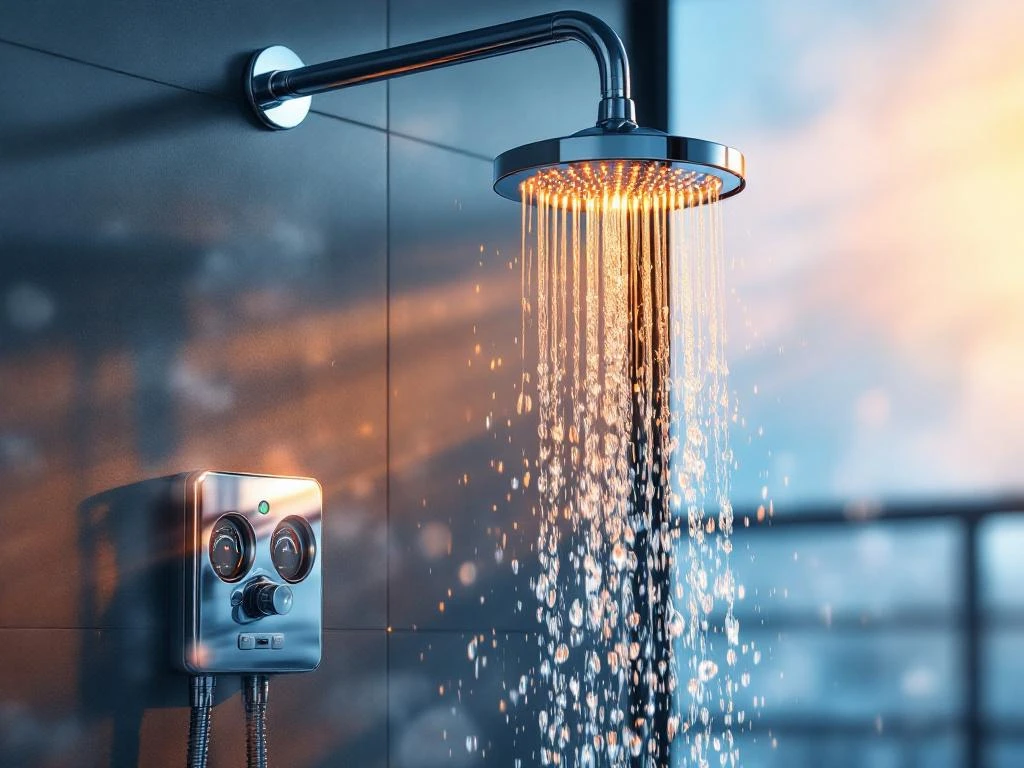
Running out of hot water while showering or washing dishes is both frustrating and impractical. There are several common reasons why hot water runs out quickly in your home, from too small a water heater to sediment in the tank or increased household consumption. The problem can often be solved by simple adjustments, but sometimes professional help is needed to ensure long-term hot water production.
Why is my home running out of hot water so quickly?
Hot water runs out quickly, usually because the water heater is too small for the household's needs, or because several people use hot water at the same time. Other common causes are sediment build-up in the heater that reduces its capacity, thermostat settings that are too low, or the heater not heating new water quickly enough between uses.
If you have an older water heater, sediment from hard water may have accumulated at the bottom of the tank. This takes up valuable space and allows less water to be heated at a time. In addition, the sediment layer isolates the heating element from the water, making heating slower and less efficient.
Simultaneous use is also a common cause of hot water problems. When someone is showering while the dishwasher is running and the laundry is being done, even a good-sized water heater can struggle to keep up. Also keep in mind that the thermostat setting affects how much usable hot water you get. A lower temperature means you need more hot water mixed with less cold to get the right temperature.
How do I know if my water heater is too small?
A water heater is too small if it regularly runs out of hot water during normal use, especially when only one or two activities are going on at the same time. As a rule of thumb, a two-person household needs at least 100-150 liters of capacity, while four people should have 200-250 liters. If you frequently run out of hot water despite staying within these guidelines, your water heater may be undersized or have other problems.
Calculate your household's needs by thinking about how many people shower every morning, how often you use the dishwasher and washing machine, and whether you have bathtubs that are used regularly. A shower uses about 40-60 liters of hot water, a bath 100-150 liters, and a dishwasher 15-20 liters. If your total consumption during peak hours exceeds the capacity of your water heater, you have identified the problem.
Also look at the recovery time, i.e. how long it takes for the heater to heat up a full tank. If this takes several hours, the heating capacity itself may be too low, even if the tank size is technically sufficient. Modern water heaters with a higher output heat the water faster and give you more usable hot water per day.
Signs of undersized water heater
- Hot water runs out quickly even with occasional use
- Cold water comes in the middle of a normal shower
- Impossible to shower one after another without long waiting time
- The dishwasher does not get enough hot water for effective cleaning
What can I do to make my hot water last longer?
You can make hot water last longer by adjusting usage patterns so that not all activities occur at the same time, raising the thermostat setting slightly (but not above 60 degrees for safety reasons), and flushing out the water heater to remove sediment. Feel free to install low-flow showerheads and faucets that reduce consumption without you noticing a difference in comfort.
Start by checking the thermostat setting on your water heater. The optimum temperature is between 55-60 degrees, which provides both good hot water production and reduces the risk of bacterial growth. If the temperature is lower, you will have to mix more hot and less cold water, which will cause the hot water to run out quickly.
Plan hot water use strategically. Run the washing machine and dishwasher in the evening instead of in the morning when everyone showers. Distribute shower times so that the heater has time to recover between each person. Even 20-30 minutes apart can make a big difference.
Practical measures to improve hot water production
- Flush out the water heater annually to remove sediment
- Insulate hot water pipes, especially in cold spaces
- Switch to low-flush luminaires that reduce consumption by 30-50%
- Adjust the thermostat setting to 55-60 degrees
- Schedule showers and water-intensive activities at intervals
If you have an older boiler, it may be worth considering switching to a more modern model with better insulation and faster heating. Newer boilers are also more energy efficient, saving you money in the long run even if the investment seems large.
When should I contact a plumber for hot water problems?
You should contact a plumber when hot water problems persist despite adjusting usage patterns and checking basic settings, or if you notice warning signs such as leaks, rust-colored water, strange noises from the water heater, or large temperature variations. Professional diagnosis is also needed if the water heater is old and you are considering replacement, as we can assess whether repair or replacement is most economical.
Some problems require specialist knowledge and tools. If you hear bubbling, popping or banging sounds coming from the water heater, it often indicates sediment build-up that should be professionally flushed out. Rust-colored or smelly water may mean that the anode in the heater needs to be replaced or that the tank is starting to rust from the inside.
Leaks around the water heater are always a sign that something is wrong. It could be a loose connection that is easily fixed, but it could also be cracks in the tank that require immediate replacement. Don't wait to get in touch if you see water on the floor around the tank.
We will help you identify the root cause of your hot water running out and recommend the right solution for your situation. Sometimes servicing and adjustment is enough, other times a larger heater or more modern equipment is needed. Through professional assessment, you get a long-term solution instead of temporary patchwork solutions that do not solve the real problem.
If you are unsure what is causing your hot water problems, do not hesitate to contact us. We can quickly diagnose the problem and provide you with concrete options to ensure sufficient hot water production in your home.