
When water drains slowly, it is usually due to partial blockages caused by hairballs, grease buildup, soap residue, or limescale deposits. These gradually block the drain pipes and reduce the water flow. The problem often develops over time and can affect several drains in the home. Here you will find answers to the most common questions about slow drains and how to solve the problem.
What causes slow drainage in the sewer?
Slow water drainage is mainly caused by partial blockages that gradually build up in the drain pipes. The most common causes include hairballs from showers and sinks, grease buildup from sinks and dishwashers, soap residue that sticks to the pipe walls, and limescale deposits that form over time.
Fat deposits are particularly problematic because they solidify when cooled and trap other particles. Hairballs combined with soap residue create compact blockages that allow a little water to pass but block most of the flow. Limescale deposits gradually reduce the diameter of the pipe, meaning that even small amounts of debris can cause blockages.
The problem rarely develops overnight, but builds up over weeks or months. You often notice that the water first flows a little slower than usual, then gradually gets worse until the drain is almost completely blocked.
How can you identify where the problem is in the drainage system?
To locate the source of the drainage problem, observe which specific drains are affected and listen for unusual noises. If only one drain is slow, the problem is localised in that pipe. When several drains are affected at the same time, the problem is likely to be in the main drain.
A bubbling sound when water runs down the drain indicates that air is being forced out through the partial blockage. A bad smell coming from the drain indicates that organic material is rotting in the pipe. Water rising in nearby drains when you use another one is a clear sign of a blockage in the main pipe.
Test by running water in different drains at the same time. If the water level rises in the sink when you flush the toilet, or if the shower drain bubbles when the dishwasher empties, you have a problem in the main drain that requires professional help.
What home remedies can help with slow-draining sinks?
Safe methods to try at home include hot water with dish soap, baking soda combined with vinegar, manual cleaning of visible clogs, and using a plunger. Always start with the mildest methods before moving on to more powerful measures.
Boil a large pot of water and slowly pour it down the drain along with a few drops of dish soap. The heat will dissolve grease, while the dish soap will help flush away residue. For stubborn clogs, pour half a cup of baking soda followed by a cup of white vinegar, cover the drain for 30 minutes, and then flush with hot water.
Use a plunger with strong, rapid movements to create pressure that can break up the blockage. Remove any visible hairballs or debris from the drain with your hands or pliers. Avoid strong chemicals such as drain cleaners, as they can damage the pipes and are dangerous to handle, especially if they don't work and you later need professional help.
When should you contact a professional plumber?
Contact a professional plumber if you have recurring blockages despite repeated DIY attempts, several drains affected at the same time, backflow of water between different drains, or persistent bad odors that do not disappear after cleaning. These signs indicate complex problems that require special equipment.
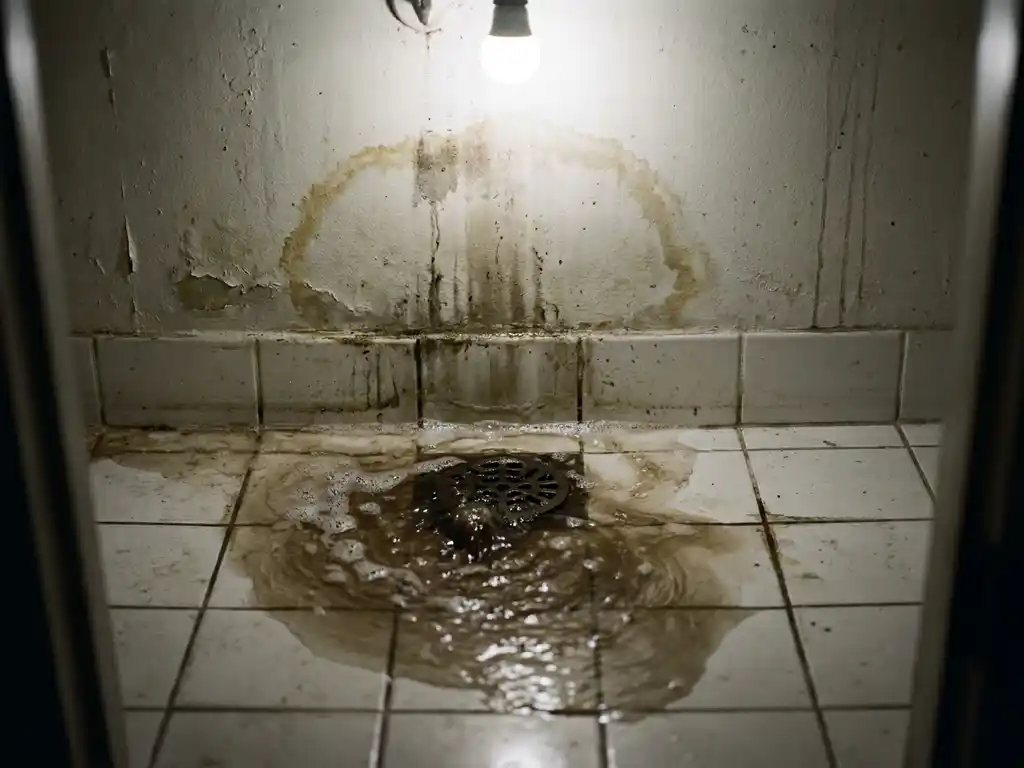
Backflow of dirty water is particularly serious as it may indicate a blockage in the main drain or a problem with the municipal pipes. Water coming up in floor drains or basement drains requires immediate professional assistance to avoid water damage.
Never try to solve problems with strong chemicals or improvised tools that could damage the pipes. Professional plumbers have coils, high-pressure flushing, and cameras to locate and solve problems safely without causing damage to the drainage system.
How 24 Center helps with drainage problems
We offer professional plumbing services around the clock for all types of drainage problems. Our qualified plumbers use modern equipment to quickly diagnose and solve both simple blockages and complex drainage problems throughout the entire drainage system.
Our services include:
- 24-hour emergency service for blocked drains and water leaks
- Professional diagnosis with camera inspections
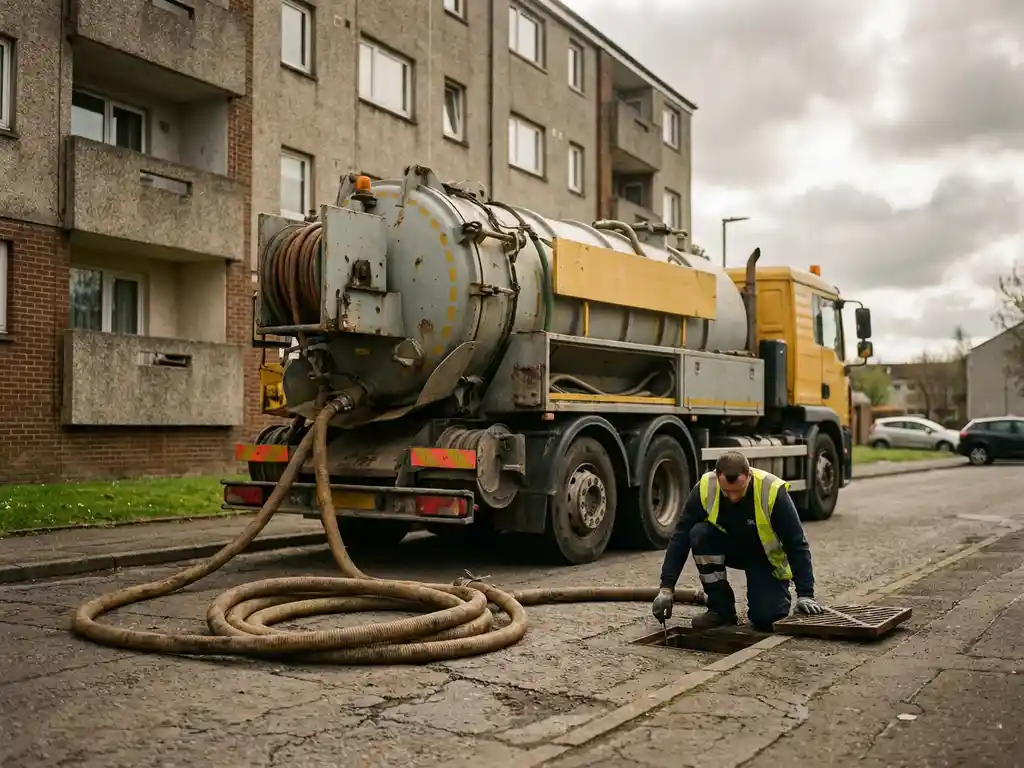
- High-pressure flushing for effective cleaning of sewer pipes
- Spiral and mechanical cleaning of stubborn blockages
- Long-term solutions and preventive maintenance
- Repair and replacement of damaged sewer pipes
Med vårt rikstäckande nätverk av lokala tekniker säkerställer vi korta responstider och träffsäker service. Ring 020 74 24 70 för omedelbar hjälp med avloppsproblem eller boka online för mindre brådskande VVS-ärenden.
Frequently asked questions
How often should I perform preventive cleaning of my drains?
Perform preventive cleaning of drains once a month with hot water and dish soap. For drains that are used frequently, such as in the kitchen and shower, you may need to clean them every other week. Regular cleaning prevents grease, hair, and soap residue from building up and causing problems.
Can I use drain cleaner from the store if home remedies don't work?
Avoid strong chemical drain cleaners as they can damage pipes, especially older cast iron or plastic pipes. The chemicals can also be dangerous if they don't work and you later need professional help. Instead, use natural methods such as baking soda and vinegar, or contact a plumber.
How much does it cost to get professional help with a blocked drain?
The cost varies depending on the complexity of the problem and the time of day. Simple blockages that can be cleared with a spiral usually cost SEK 1,500-3,000, while complex problems that require high-pressure flushing or camera inspections can cost SEK 3,000-8,000. Emergency rates apply for service outside normal working hours.
How can I prevent grease from cooking from causing drain blockages?
Never pour grease or oil directly down the drain. Instead, let the grease solidify in the pan and scrape it into the trash, or collect liquid grease in a container that you can throw away. Rinse greasy plates and cooking utensils with cold water first, then with warm water and dish soap.
What does it mean if several drains in the house are affected at the same time?
When several drains are slow at the same time, it indicates a problem in the main drain pipe or in the connection to the municipal system. This is a more serious problem that requires professional help, as it can lead to backflow and water damage if not addressed quickly.
Can old pipes cause recurring drainage problems?
Yes, old cast iron pipes or older plastic pipes may have uneven surfaces, rust, or damage that causes waste to stick more easily. Pipes older than 30-40 years should be professionally inspected if you have recurring problems. Sometimes replacing pipe sections is the most cost-effective solution in the long run.
How long does it take a plumber to fix common drain blockages?
Simple blockages are usually resolved within 30-60 minutes using a spiral or suction cup. Complex problems requiring high-pressure flushing or camera inspections can take 2-4 hours. Emergency call-outs are prioritized, and our technicians aim to arrive within 1-2 hours of contact.