
Water backing up in the sink is usually a sign of a blockage in the drain or a problem with the ventilation in the pipe system. This can be caused by food waste, grease, or other particles blocking the pipes. The problem may be localised in the sink drain or related to the main drain. Here you will find answers to the most common questions about sink problems and how to solve them.
What causes water to come up in the sink?
Water in the sink is usually caused by a blockage in the drain that prevents the water from flowing away normally. The most common causes are food waste stuck in the strainer, grease buildup in the pipes, or objects that have fallen into the drain.
Incorrect installation of a dishwasher or sink can also cause problems. If the dishwasher's drain hose is incorrectly connected or if there is no non-return valve, dirty water can be forced back into the sink. This happens especially when the dishwasher's pump is running or when other drains in the house are being used at the same time.
Problems with ventilation in the pipe system can create negative pressure that affects water flow. When ventilation pipes are blocked or missing altogether, this can cause water to back up into the sink instead of following its natural path through the drainage system.
How can you distinguish between different types of sink problems?
Local blockages in the sink can be recognized by the fact that only the sink is affected, while other drains in the kitchen function normally. The water flows slowly or not at all, and you can often hear gurgling noises coming from the drain.
Problems in the main drain are evident when several drains in the house are affected at the same time. If the sink, dishwasher, and floor drain in the kitchen are all affected, or if problems occur in the bathroom at the same time, this indicates a blockage further down the system.
Technical faults in the dishwasher can be detected by the fact that water only comes out when the dishwasher is running. Bad smells from the drain, bubbling noises during washing, or water remaining long after you have turned off the water can also indicate installation problems.
Ventilation problems often cause intermittent symptoms where the sink works sometimes but not always. You may hear sighing noises from the drain and notice that the problem worsens when several drains are used simultaneously in the house.
What measures can you try yourself before calling a plumber?
Start by thoroughly cleaning the sink strainer of food waste and grease. Remove all visible particles and rinse the strainer with warm water. Also check that no objects have fallen into the drain that you can pick up by hand.
Then try to clear the blockage by pouring boiling water down the drain, followed by dishwashing liquid and more hot water. Leave for 10–15 minutes before flushing with cold water. Avoid strong chemicals that can damage the pipes.
Check the dishwasher connection if you have one. Make sure the drain hose is securely attached and is not kinked or flattened. Run an empty cycle with dishwasher cleaner to remove grease and food residue from the system.
Use a standard sink plunger to create pressure in the drain. Fill the sink with a few inches of hot water, place the plunger over the drain, and pump vigorously up and down. This can effectively clear minor blockages.
When is it time to contact a professional plumber?
Contact a plumber when simple solutions do not help after repeated attempts, or when the problem recurs shortly after you have temporarily solved it. This indicates deeper problems that require professional equipment.
Bad odors that do not disappear after cleaning may indicate serious problems with the sewage system. The odor may come from damaged pipes, improper ventilation, or large accumulations of organic material that require special tools to remove.
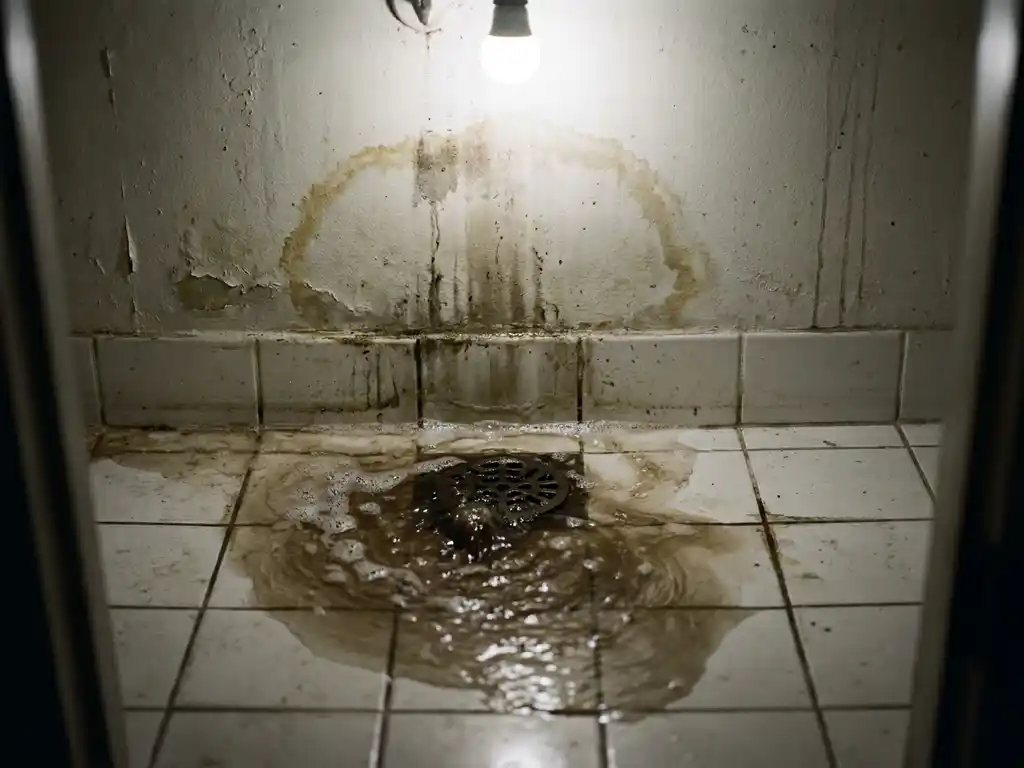
If several drains in the house are affected at the same time, or if water starts to come up through floor drains, immediate professional help is needed. This may indicate a blockage in the main drain that could cause flooding.
Recurring problems despite following all advice indicate structural problems with the installation. Incorrectly installed pipes, inadequate slope, or damaged parts require the expertise of a plumber to identify and permanently fix the problem.
How 24 Center helps with problems with sinks and kitchen drains
We offer professional plumbing services around the clock for all types of problems with sinks and kitchen drains. Our qualified plumbers use special tools to quickly identify and solve both simple blockages and complex installation problems.
Our services for sink problems include:
- Emergency drain cleaning with professional equipment
- Repair and adjustment of dishwasher drain connections
- Installation of check valves to prevent backflow
- Inspection and repair of ventilation systems in pipes
- Replacement of damaged sewer pipes and connections
We understand that sink problems rarely occur at convenient times, which is why we offer round-the-clock availability with short response times. Our local technicians are familiar with the specific challenges of Swedish buildings and can quickly deliver long-term solutions.
Ring 020 74 24 70 för omedelbar hjälp med akuta problem med diskhon, eller boka online för planerade VVS-arbeten. Vi gör det enkelt för dig att få professionell hjälp när du behöver den som mest.
Frequently asked questions
Can I use baking soda and vinegar to clean the sink drain?
Yes, baking soda and vinegar are an environmentally friendly method that can help with minor blockages. First, pour half a cup of baking soda into the drain, followed by a cup of white vinegar. Cover the drain with a cloth for 30 minutes, then flush with boiling water. This method works best as a preventive measure or for minor blockages.
Why does water only come up when I run the dishwasher?
This indicates a problem with the dishwasher's drain connection or that there is no check valve. The dishwasher's pump creates pressure that pushes water back into the sink. Check that the drain hose is correctly installed and consider installing a check valve to prevent dirty water from flowing back.
How often should I clean my sink drain to avoid problems?
Clean the strainer in the sink daily to remove food waste and rinse with warm water. Clean more thoroughly with boiling water and dish soap once a week. Avoid flushing grease and larger food waste down the drain, as these are the most common causes of blockages.
How much does it cost to hire a plumber to fix problems with the sink?
The cost varies depending on the extent of the problem and the time of day. Simple drain cleaning usually costs SEK 1,500-3,000, while more complex repairs such as replacing pipes or installing check valves can cost SEK 3,000-8,000. Emergency jobs in the evenings and on weekends often have a surcharge of SEK 500-1,500.
Can problems with the sink affect other parts of the house?
Yes, especially if the problem is in the main drain. Blockages can cause water to come up through floor drains, showers, or other drains. In the worst case, this can lead to flooding in basements or on the ground floor. That's why it's important to act quickly when several drains are affected at the same time.
What signs indicate that the ventilation system in the pipes is not working?
Sighing or gurgling noises from the drain, slow drainage despite no visible blockages, and problems that worsen when multiple drains are used simultaneously. You may also notice that the water trap empties unusually quickly, leading to unpleasant odors from the drains.
Is it safe to use chemical drain cleaners in the sink?
Chemical drain cleaners should be used with caution and only as a last resort. They can damage old pipes, especially in older Swedish properties with metal pipes. Strong chemicals can also be harmful to the environment and your health. Mechanical cleaning or natural methods are usually safer and just as effective.