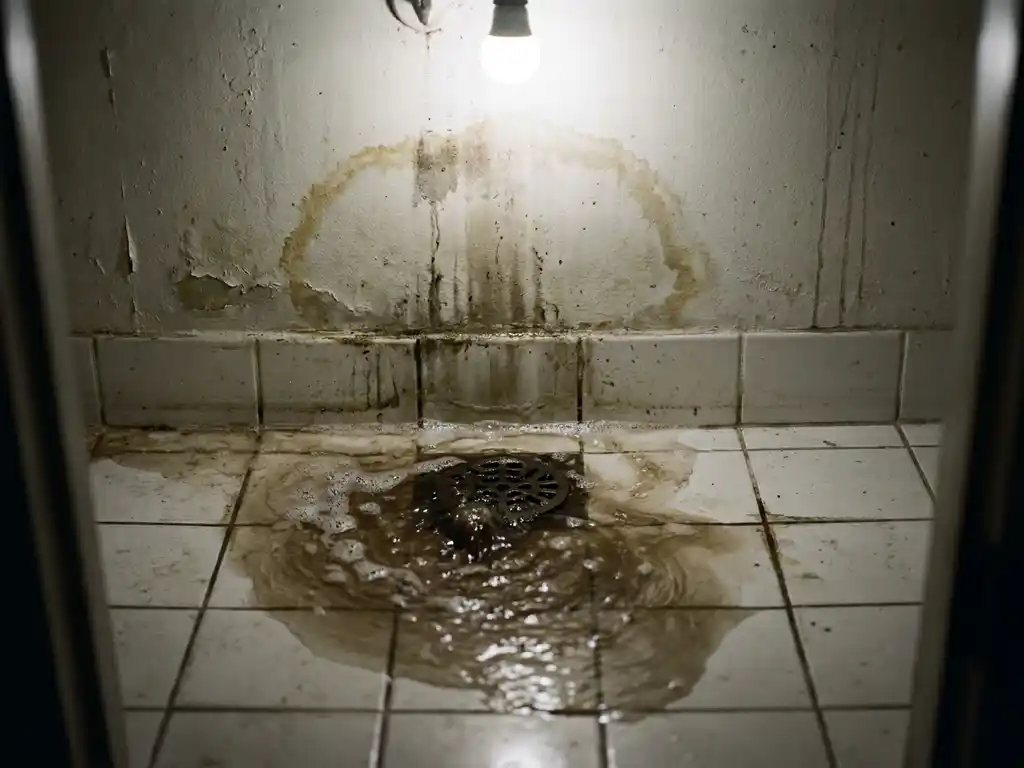

Wet floors around toilets are usually caused by leaks from the toilet base, condensation, splashing when flushing, or faulty seals. The problem may also be due to water pipe issues or incorrectly installed connections. Identifying the cause quickly is important to avoid structural damage and mold problems in the bathroom.
What are the most common reasons for the floor getting wet around the toilet?
Causes of toilet leaks range from simple to more complex problems that require professional assistance. Leaks from the base of the toilet are the most common cause, often due to damage or displacement of the wax ring between the toilet and the floor flange. This creates a leaky connection that allows water to seep out with every flush.
Condensation is another common problem, especially during warm months when cold water in the toilet cistern meets warm, humid air. This creates condensation on the outside of the cistern, which drips onto the floor.
Splashing during flushing can also cause moisture around the toilet, especially if the toilet seat is often left open or if the water pressure is too high. Defective seals around the base of the toilet or at water connections behind the toilet can also leak continuously.
Water pipe problems under the floor or in the wall behind the toilet are more serious causes. These leaks can go on for a long time before they are discovered and cause extensive moisture damage.
How can you identify where the water leak is coming from?
Systematic inspection will help you locate the source of the toilet leak. Start by drying the floor and placing newspaper or towels around the base of the toilet. Then flush and observe where moisture appears immediately.
Check the toilet base by gently rocking the toilet. If it moves or if you see water coming from the base when flushing, the problem is likely a defective wax ring that needs to be replaced.
Check the cistern by feeling the outside for condensation. If the surface is wet and water is dripping, this indicates a condensation problem that can be solved with better ventilation or insulation of the cistern.
Inspect all visible water connections behind and under the toilet. Look for water drips, discoloration, or mineral deposits that indicate long-term leaks. Also check the baseboards and walls adjacent to the toilet for signs of moisture damage.
If you cannot locate the source or if the water appears to be coming from under the floor, there may be a problem with the main water line that requires professional assessment.
What problems can arise if you ignore wet floors around the toilet?
Ignoring moisture around toilets leads to serious consequences that become significantly more expensive to remedy over time. Mold problems develop quickly in damp environments and can spread to adjacent rooms through ventilation systems and walls.
Structural damage to floors and walls occurs when water penetrates building materials. Wooden floors can warp, laminate can swell, and tiles can come loose. Underlying joists can rot, requiring extensive renovations.
Health risks associated with mold and moisture include respiratory problems, allergic reactions, and a deteriorated indoor environment. Particularly sensitive individuals, such as children and the elderly, are more affected by poor air quality.
Increased repair costs become significant when moisture problems are allowed to continue. What could have been remedied with a simple seal repair can develop into extensive floor and wall renovations, mold removal, and ventilation work.
Insurance problems can also arise because many home insurance policies do not cover damage caused by poor maintenance or long-term leaks that have not been repaired in time.
When should you contact a plumber for a toilet leak?
Professional help is needed when plumbing problems with toilets go beyond simple repairs or when you cannot identify the source of the leak. If the toilet moves when you wiggle it or if water continuously seeps from the base even though you have tightened the screws, you will probably need to replace the wax ring and possibly the floor flange.
Contact a plumber immediately if you discover water coming from walls, under the floor, or from areas you cannot access. This may indicate problems with main water pipes that require special tools and expertise.
Signs that require professional assessment include continuous water leakage despite repair attempts, foul odors from drains, low water pressure, or if several plumbing problems occur simultaneously in the bathroom.
You should also seek professional help if you do not feel comfortable removing the toilet, do not have the right tools, or if the problem recurs after your own repair attempts. Incorrect installation can create bigger problems and costly damage.
How 24 Center helps with toilet leaks and plumbing problems
We offer professional assistance with repairing toilet leaks and other plumbing problems around the clock, every day of the year. Our qualified plumbers handle everything from emergency water leaks and toilet leaks to more extensive bathroom renovations and plumbing installations.
Our toilet leak services include:
- Emergency leak repair and damage control
- Replacement of wax rings and floor flanges
- Repair of defective seals and connections
- Replacement of toilets and cistern components
- Fixing water pipe problems and sewer blockages
With our nationwide network of local technicians, we ensure a quick response time when you need emergency help with water leaks in bathrooms. Our plumbers are familiar with the local building stock and can quickly identify the source of the problem and deliver long-term solutions.
Ring 020 74 24 70 för omedelbar hjälp med toalettläckage eller boka online för mindre brådskande VVS-ärenden. Vi hjälper dig att lösa problemet snabbt och förebygga framtida skador.
Frequently asked questions
How much does it cost to repair a toilet leak?
The cost varies depending on the extent of the problem. Simple repairs such as replacing a wax ring usually cost between $150 and $300, including labor and materials. More extensive problems with water pipes or structural damage can cost between $500 and $1,500 or more. Contact a plumber for a free estimate.
Can I replace the wax ring under the toilet myself?
Yes, it is possible for anyone who is handy and has the right tools. You need to remove the toilet, clean out old sealant residue, and install a new wax ring. However, professional help is recommended, as incorrect installation can cause major leaks and damage to the floor flange or floor.
How often should you check the toilet for leaks?
Check the toilet at least once a month by looking for moisture around the base and feeling whether the toilet is firmly seated. Perform a more thorough inspection every six months, checking all connections, seals, and signs of condensation. At the first sign of a problem, take immediate action.
What should I do as a first step when I discover a water leak?
Turn off the water supply to the toilet by turning the valve behind the toilet clockwise. Wipe up all water from the floor to prevent damage and mold growth. Then contact a plumber for a professional assessment, especially if the leak is large or comes from an unknown source.
Does home insurance cover damage caused by toilet leaks?
It depends on the cause of the leak and how quickly you acted. Sudden, unexpected leaks are often covered, but damage from long-term, undetected leaks or poor maintenance is not usually covered. Document the damage immediately and contact your insurance company to clarify your coverage.
How do I prevent condensation on the toilet cistern?
Improve ventilation in the bathroom with a fan or open windows after showering. You can also insulate the inside of the cistern with special foam or install a condensation damper. Keep the bathroom at a constant temperature and avoid large temperature differences between cistern water and room air.