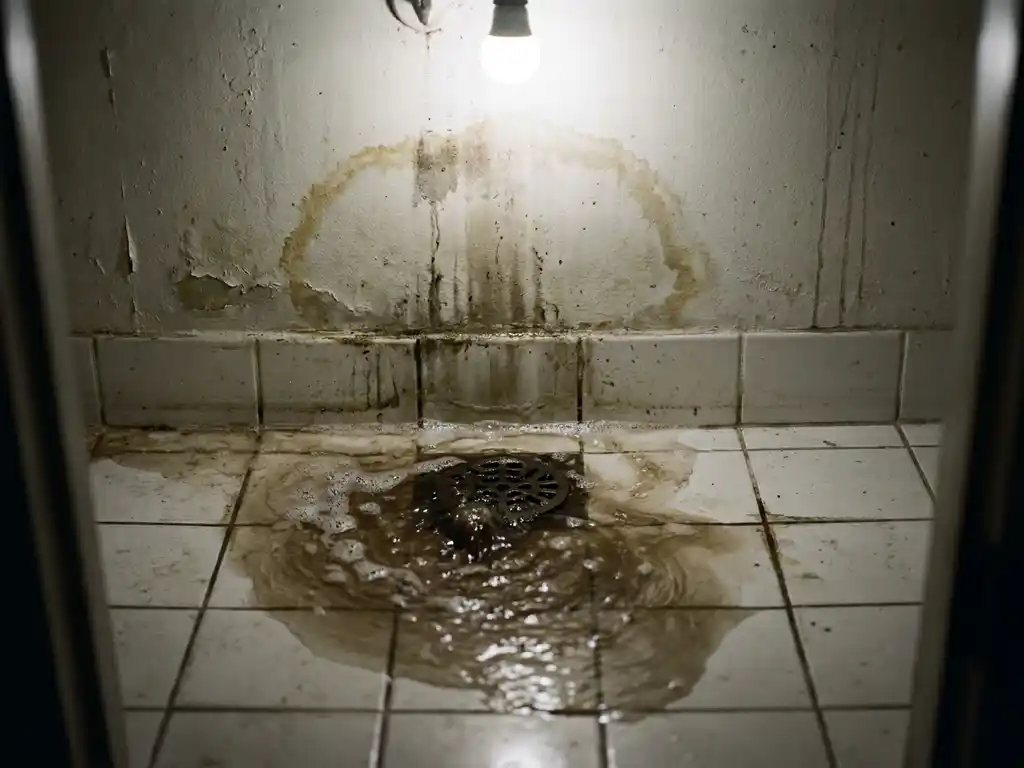
Recurrent sewer blockages usually occur due to grease build-up, hair clumps and soap scum that build up layers in the pipes over time. Unlike one-off blockages caused by temporary blockages, recurring problems usually indicate structural challenges or poor everyday habits. By understanding the causes, you can prevent future plumbing problems and avoid costly repairs.
What is the most common reason for the same drain to clog?
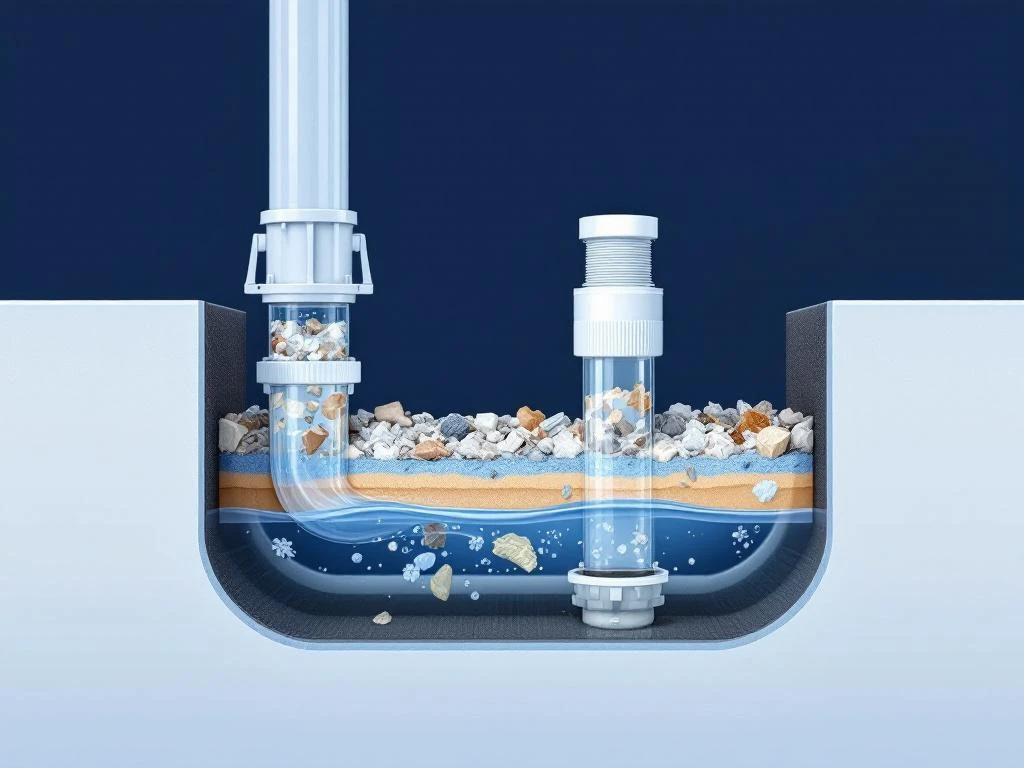
Grease build-up from the kitchen is the main cause of recurrent sewer blockages. When fat and oil are flushed down the drain, they solidify in the pipes, trapping other particles such as hair, food scraps and soap scum. This creates thick layers that gradually reduce the pipe diameter.
In the bathroom, clumps of hair combined with soap scum and skin cells cause similar problems. These substances bind together and form compact blockages that grow over time. It becomes particularly problematic when the hairs get stuck in existing bumps or joints in the pipes.
Strukturella problem som rörböjar, gamla gjutjärnsrör med ojämn insida, eller felaktiga lutningar kan också skapa återkommande stopp. Dessa områden fungerar som ”fällor” där partiklar samlas och bygger upp blockeringar snabbare än i raka, släta rördelar.
How do temporary blockages differ from chronic sewer problems?
Temporary blockages are usually resolved with simple cleaning and do not recur within a short time. Chronic sewer problems, on the other hand, recur regularly, often with shorter intervals between each incident, and get progressively worse despite repeated cleaning attempts.
Signs of underlying structural problems include:
- Stoppages that recur within a few weeks after clearing
- Slow drainage even when the drain is not completely blocked
- Unpleasant odors that come back despite cleaning
- Several drains in the home experiencing problems at the same time
When you notice these patterns, you should contact professional help instead of continuing with temporary solutions. Repeated chemical cleanings can actually damage the pipes and worsen the problem in the longer term.
What everyday habits cause the most damage to sewer pipes?
Improper food waste management tops the list of harmful everyday habits. Flushing coffee grounds, food scraps, and especially grease from frying pans create long-term problems that are difficult to solve. Even small amounts accumulate over time.
Other common mistakes include:
- Using too much toilet paper or flushing feminine hygiene products
- Pouring chemical products such as paint, solvents or strong detergents down the drain
- Allowing hair to accumulate in the shower without regular cleaning of the drain grate
- Flush down cat litter or other absorbent materials
Kemiska produkter är särskilt problematiska eftersom de kan korrodera rör och påverka avloppsreningsprocessen. Många människor tror att starka kemikalier ”löser” problem, men de skapar ofta värre skador på avloppsrör underhåll.
How can you prevent recurrent sewer blockages effectively?
Regular preventive cleaning is the most effective way to avoid recurring blockages. Clear drain grates weekly of hair and other particles, and flush pipes with hot water regularly to dissolve grease build-up before it becomes problematic.
Practical preventive procedures:
- Collect cooking fat in cans instead of pouring it down the drain
- Installing hair catchers in the shower and bath
- Rinse with hot water after each wash
- Use natural cleaning methods like baking soda and vinegar monthly
- Avoid chemical drain cleaners that can damage pipes
For homeowners and renters, it is important to understand that preventive maintenance costs significantly less than emergency repairs. Simple procedures can extend the life of sewer pipes and prevent sewer blockages effectively.
How 24 centers help with recurring sewer problems
We offer comprehensive solutions for chronic sewer problems that go far beyond temporary unclogging. Our qualified plumbers use advanced diagnostics to identify the root causes of recurring blockages and develop long-term solutions customized to your specific problem.
Our professional services include:
- Camera inspection to locate exact problem areas
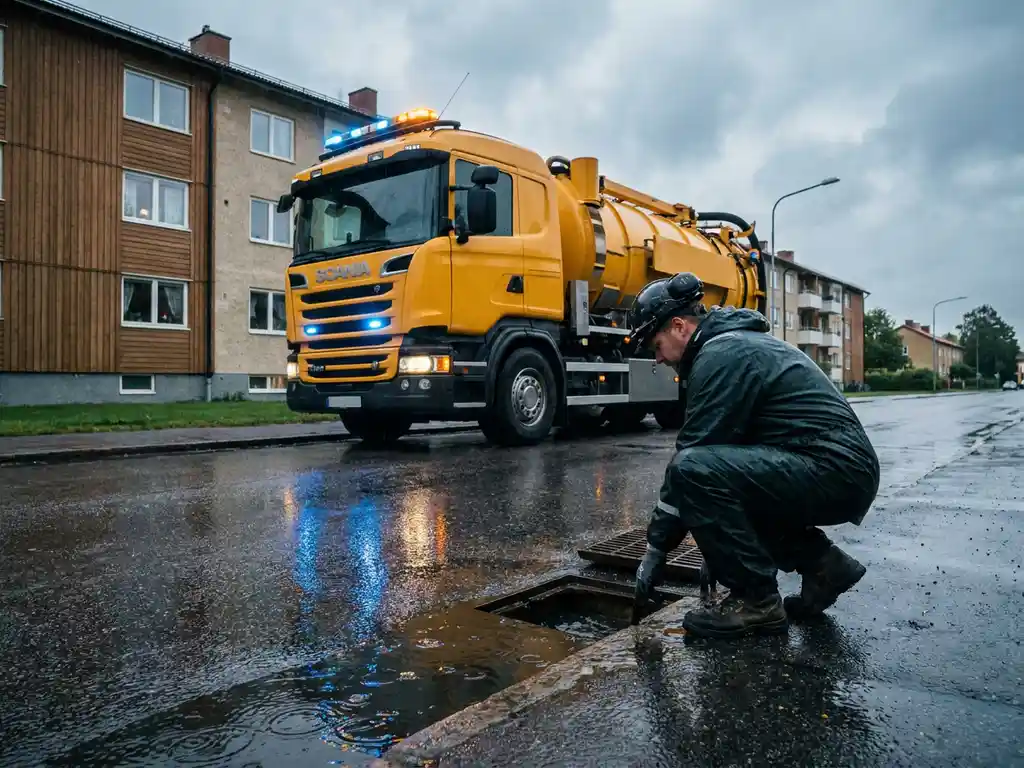
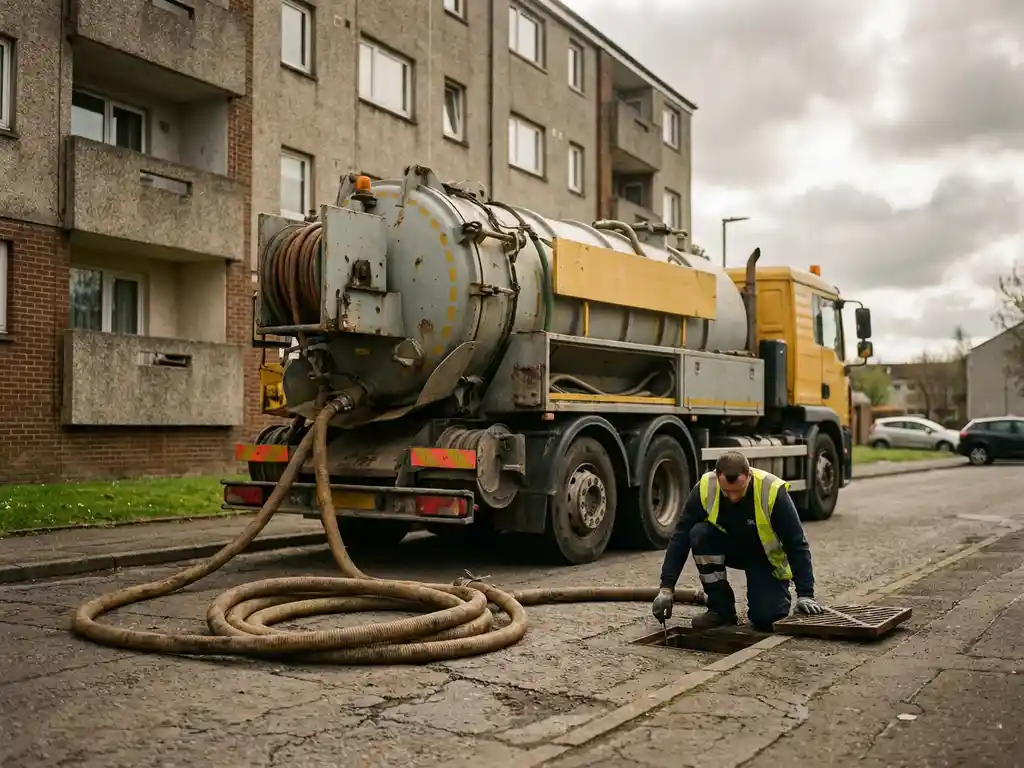
- High pressure flushing that removes the most stubborn build-up
- Structural repairs of damaged or incorrectly installed pipes
- Preventive maintenance plans to avoid future problems
- Advice on the right everyday habits to protect your drains
Call 08 40 24 240 for immediate help with emergency sewer problems, or visit 24center.co.uk to book an appointment online for planned maintenance work. We are available 24/7 and our local technicians can quickly identify and resolve even the most stubborn recurring sewer blockages.
Frequently asked questions
How often should I do preventive cleaning of my drains?
For best results, clean the drain grates weekly and flush the pipes with hot water after each wash. Do a more thorough cleaning with bicarbonate of soda and vinegar once a month. At the first sign of slow drainage, increase the frequency until the problem is resolved.
What should I do if my drain keeps clogging despite regular cleaning?
If the drain clogs within a few weeks of unclogging, it indicates structural problems that require professional help. Stop using chemical cleaners and contact a plumber for a camera inspection. Continued self-cleaning attempts can worsen the damage and increase repair costs.
Can I use boiling water to dissolve grease build-up in the pipes?
Yes, boiling water is effective against grease build-up, but use it carefully. Pour slowly to avoid thermal shock to the pipes, especially in older installations. For PVC pipes, use very hot (not boiling) water. Combine with dishwashing liquid for better results against grease.
What natural alternatives are there to chemical wastewater treatment?
Bicarbonate of soda and white vinegar is the most effective natural alternative. Pour 1 dl of bicarbonate followed by 1 dl of vinegar, leave for 30 minutes, then rinse with hot water. Salt and baking soda also work well against organic build-up and are safer for pipes than strong chemicals.
How do I know if the problem is in my home's sewer or in the main?
If several drains in your home have problems at the same time, or if sewage is backing up into gulley drains, the problem is probably in the main pipe. Contact your municipality or property owner. Problems affecting only one specific drain are usually limited to your home's internal pipes.
Is it worth investing in professional high-pressure flushing for recurring problems?
Yes, professional pressure washing is often more cost-effective in the long run than repeated temporary solutions. It removes build-up that home cleaning can't reach and can prevent problems for up to several years. Combined with camera inspection, you also get valuable information on the condition of your pipes.
What is the approximate cost of fixing chronic sewage problems professionally?
Costs vary depending on the extent of the problem. Camera inspection and high pressure flushing typically cost £3000-8000, while structural repairs can cost £10,000-50000 or more. Contact 24 center on 08 40 24 240 for a free assessment and quote based on your specific problem.