
In the event of an electrical fault at home, you should immediately turn off the main power supply and check the earth fault circuit breaker and fuses. The most common causes are overloaded circuits, defective fuses, or tripped earth fault circuit breakers. Serious problems such as sparks, a burning smell, or hot electrical outlets require professional assistance. Here you will find answers to the most important questions about how to safely handle electrical problems at home.
What are the most common causes of electrical faults in the home?
Overloaded circuits, faulty fuses, and tripped ground fault circuit interrupters cause most electrical faults in the home. Worn electrical cables, faulty electrical installations, and moisture damage to electrical components also contribute to power outages and other electrical problems.
Overloaded circuits occur when you connect too many appliances to the same outlet or circuit. This is especially common in older homes with limited electrical capacity. Fuses blow or circuit breakers trip to protect the system from overheating.
Warning signs to watch out for include:
- Flickering or dim lights when you turn on appliances
- Hot electrical outlets or switches
- Smell of burnt plastic or burnt rubber
- Crackling sound from electrical outlet
- Fuses that often trip
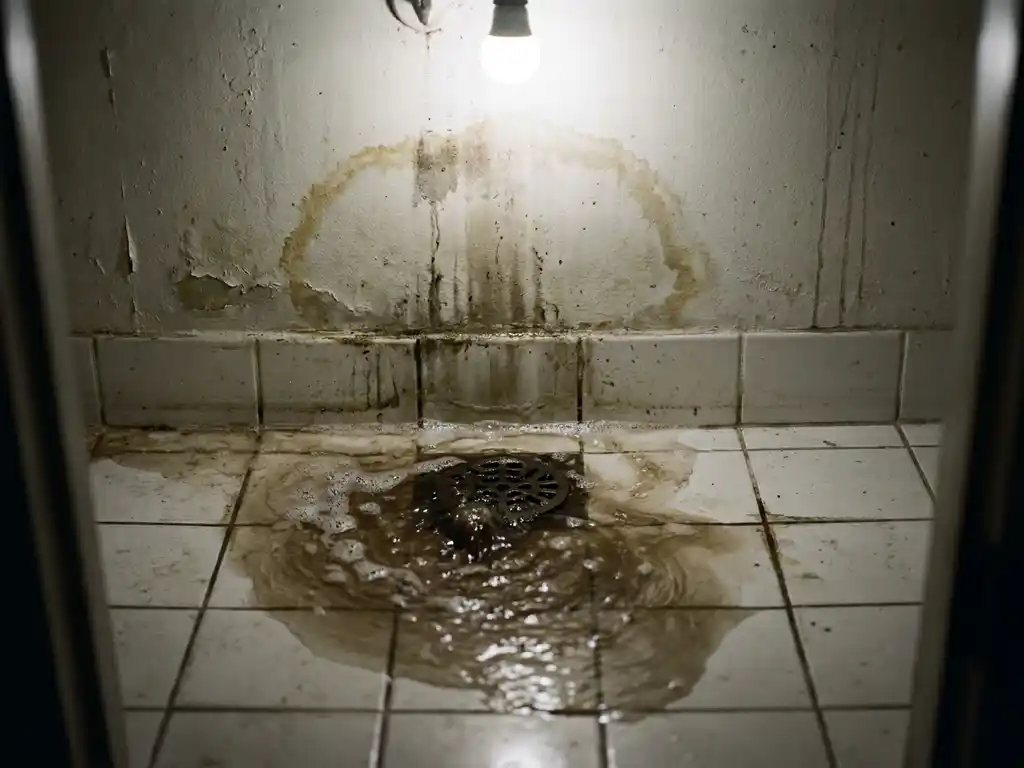
Moisture and water leaks can cause ground fault circuit interrupters to trip, which is an important safety feature. Old electrical installations with worn cables or outdated components increase the risk of electrical problems and fire.
How do you know if it is a serious electrical problem that requires professional help?
Sparks from electrical outlets, a burning smell, hot wall sockets, and repeated fuse failures signal serious electrical problems that require immediate professional assistance. Visible damage to electrical cables or smoke from electrical components are also signs of dangerous situations.
You should never attempt to repair it yourself when you discover:
- Sparks flying from electrical outlets or appliances
- Strong burning smell from the electrical panel or outlets
- Electrical outlets or switches that feel warm
- Fuses that continuously trip after resetting
- Visible burns or melt damage to electrical cables
- Electric shocks from appliances or outlets
These symptoms indicate potentially life-threatening situations that could lead to fire or electrical accidents. Professional electricians have the right equipment and knowledge to safely diagnose and repair complex electrical problems.
If you feel electric shocks from tap water or metal objects in your home, immediately turn off the main power and contact an electrician. This may indicate a ground fault in the electrical installation.
What safety measures should be taken in the event of an electrical fault at home?
Turn off the main power switch in the electrical panel, avoid water near electrical components, and use flashlights instead of candles. Only check ground fault circuit interrupters and fuses with dry hands, and evacuate the home if you smell a strong burning odor or see smoke.
Follow these safety steps in the event of an electrical fault:
- Locate and turn off the main switch in the electrical panel.
- Use a flashlight or cell phone as a light source.
- Keep your hands dry before touching electrical components.
- Check the earth fault circuit breaker by pressing the reset button.
- Check fuses for visible damage or burn marks.
- Avoid using water near electrical installations
If you see signs of fire or heavy smoke, leave the building immediately and call 112. Never attempt to extinguish fires in electrical installations with water.
Keep children and pets away from the electrical panel and damaged electrical components. Never touch exposed cables or components, even if the power appears to be off.
How can you safely troubleshoot simple electrical problems yourself?
Check the ground fault circuit interrupter by pressing the reset button, replace defective fuses, and test electrical outlets with different appliances to identify the problem. Disconnect appliances from overloaded circuits and restore power gradually to locate the fault.
Step-by-step troubleshooting:
- Check whether the problem affects the entire house or specific rooms
- Check the earth fault circuit breaker – press "test" and then "reset."
- Inspect fuses for melted wires or dark spots.
- Replace defective fuses with the correct amperage
- Test electrical outlets with a working device
- Disconnect half of the appliances from a suspected overloaded circuit.
Restore power by first turning on the main switch and then activating the ground fault circuit interrupter. If the problem persists after basic troubleshooting, contact an electrician.
Limit your own actions to replacing fuses and resetting earth fault circuit breakers. Avoid opening electrical outlets, replacing cables, or performing installation work without the proper training and tools.
How 24 Center helps with emergency electricity problems
We offer professional electrical services around the clock for urgent electrical faults and electrical emergencies. Our qualified electricians handle everything from fuse replacements and earth fault circuit breakers to complex electrical installations and security systems.
Our electrical services include:
- Emergency troubleshooting and electrical repairs around the clock
- Installation of fuses and earth fault circuit breakers
- Repair of defective electrical installations
- Installation of electrical locking and alarm systems
- Access control and security technology solutions
- Safety inspection of electrical installations
With our local focus and extensive network of specialists, we can quickly reach you, wherever you are in Sweden. Our technicians are familiar with the local building stock and can therefore offer accurate service and quick solutions.
We understand that electrical problems rarely occur at convenient times and can be both dangerous and stressful. That is why we prioritize rapid response times and safe handling of all types of electrical emergencies.
Ring 020 74 24 70 för omedelbar hjälp vid akuta elproblem, eller boka online för mindre brådskande elektriska ärenden. Vi finns här när du behöver oss som mest.
Frequently asked questions
How often should you check your earth fault circuit breakers and fuses?
You should test the ground fault circuit interrupter monthly by pressing the test button and then resetting it. Visually inspect fuses every six months and replace them immediately if you see any signs of damage. Regular inspection will help you detect problems before they become serious.
What should you do if the earth fault circuit breaker trips repeatedly?
If the earth fault circuit breaker continues to trip after resetting, disconnect all appliances from the circuit and try resetting again. If the problem persists without any appliances connected, this indicates an earth fault in the installation that requires professional assistance. Never use force or attempt to bypass the safety function.
Can you change fuses yourself, and what should you bear in mind?
Yes, you can replace fuses yourself after turning off the main power. Always use fuses with the same amperage as the original—never higher values. Make sure your hands are dry and use an insulated screwdriver. If the new fuse blows immediately, contact an electrician.
How can you prevent overloaded circuits in your home?
Avoid connecting multiple power-hungry appliances to the same outlet or extension cord. Distribute electricity consumption evenly across different circuits and do not use multiple heaters simultaneously on the same circuit. Upgrade to more circuits if you have an older house with limited electrical capacity.
What tools should you have at home for basic electrical troubleshooting?
Always keep a reliable flashlight, insulated screwdrivers, and spare fuses of the correct type at home. A simple voltage tester can also be useful for checking whether sockets are live. Avoid using improvised tools or metal objects near electrical components.
When during the day are electrical problems most common, and why?
Electrical problems usually occur in the evenings and on weekends when electricity consumption is at its highest in the home. Many appliances are used at the same time, which can overload circuits. Older electrical installations are particularly susceptible to overload during these periods. That is why it is especially important to have access to an on-call electrician.
How long does it usually take to resolve common electrical problems?
Simple problems such as resetting earth fault circuit breakers or replacing fuses only take a few minutes. More complex faults that require professional assistance can take 1-3 hours depending on the extent of the problem. Emergency repairs are always prioritized, and experienced electricians can often diagnose problems quickly thanks to the right equipment and expertise.