
When faced with a clogged toilet, you can often solve the problem yourself with simple home remedies such as a plunger, dish soap, and hot water. Clogs in the toilet are usually caused by too much toilet paper, foreign objects, or problems in the drainage system. If the toilet cannot be flushed after several attempts or if water is backing up, you need to contact a plumber for professional help.
What causes the toilet to become clogged?
The most common causes of toilet problems are too much toilet paper, foreign objects that have ended up in the toilet, or large amounts of faeces blocking the drain. Sanitary towels, condoms, cat litter and wet wipes can also cause blockages as they do not dissolve in water.
Older toilets with narrower drain pipes are more prone to blockages than modern models. Low water pressure when flushing can also contribute to material not being transported away properly. If your house has old pipes or problems with the drainage system, blockages will often recur.
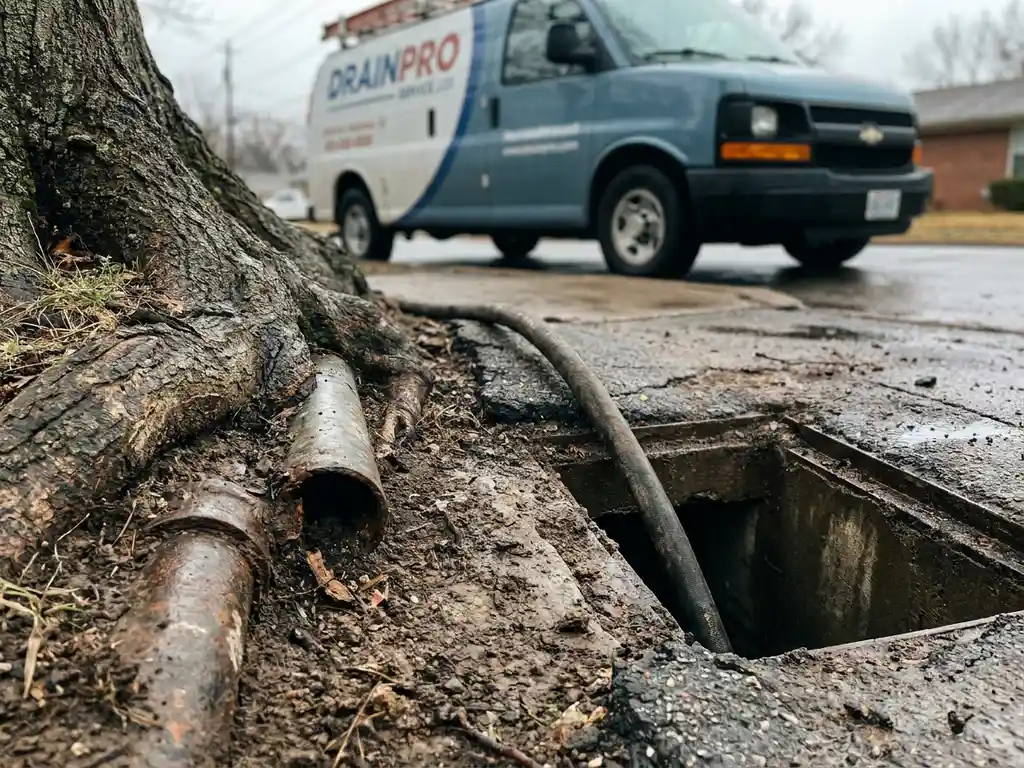
Over time, hard water can create deposits in pipes, making them narrower. This means that even normal use can lead to blockages. Pipes with poor flow or incorrect slope do not transport waste away efficiently.
How can I try to unclog a toilet myself?
Start by using a plunger or suction cup – place it over the drain opening and pump vigorously up and down several times. This creates pressure that often clears the blockage. If you don't have a plunger, you can try using dish soap and hot water.
Pour a large amount of dishwashing liquid into the toilet and let it sit for 20–30 minutes. Then add warm (not boiling) water from hip height to create pressure. The combination of dishwashing liquid and pressure will clear many clogs.
You can also use the toilet brush to gently push away visible blockages. Do this carefully to avoid damaging the porcelain. Never flush several times in a row if the toilet does not empty – this can cause water to overflow.
Avoid chemical drain cleaners that can damage pipes and the environment. Never use metal hangers or other metal objects that could scratch the toilet. Do not boil the water – hot water can cause the porcelain to crack.
When should I call a plumber for toilet problems?
Contact a plumber immediately if water is backing up from the toilet, if there is a bad smell coming from the drain, or if home remedies do not work after several attempts. Recurring blockages are also a sign of deeper problems in the drainage system.
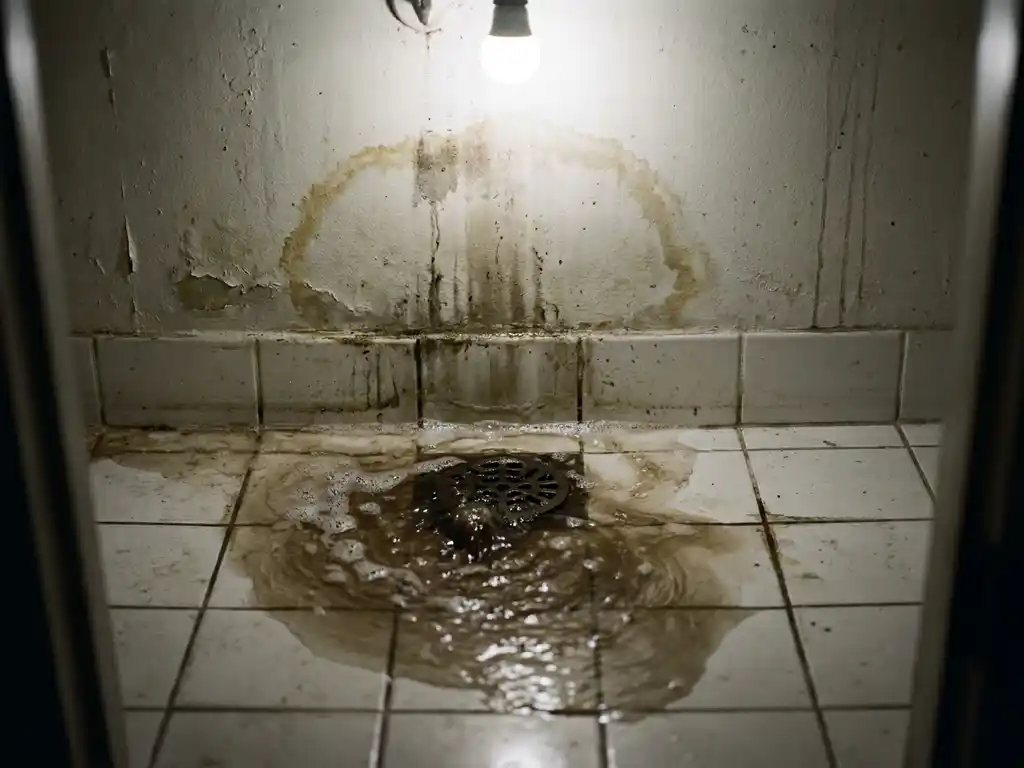
If several toilets or drains in your home are affected at the same time, this indicates a blockage in the main drain. This requires professional equipment and knowledge to resolve safely. Water damage can be very expensive if you wait too long.
Other warning signs include bubbling noises from the drain, water rising in the shower when you flush, or visible cracks in the toilet. If the toilet wobbles or leaks at the base, professional help is also needed.
Don't wait to call for help if the problem seems serious. Clogged drains can cause water damage to floors and walls, which can be very costly to repair. Bacteria and unsanitary conditions also pose health risks.
How much does it cost to get help with a clogged toilet?
The cost of unclogging a toilet varies depending on the extent of the problem and the time of day. A simple unclogging during office hours usually costs between SEK 800 and SEK 1,500, while emergency service in the evenings and on weekends often costs SEK 1,500–3,000.
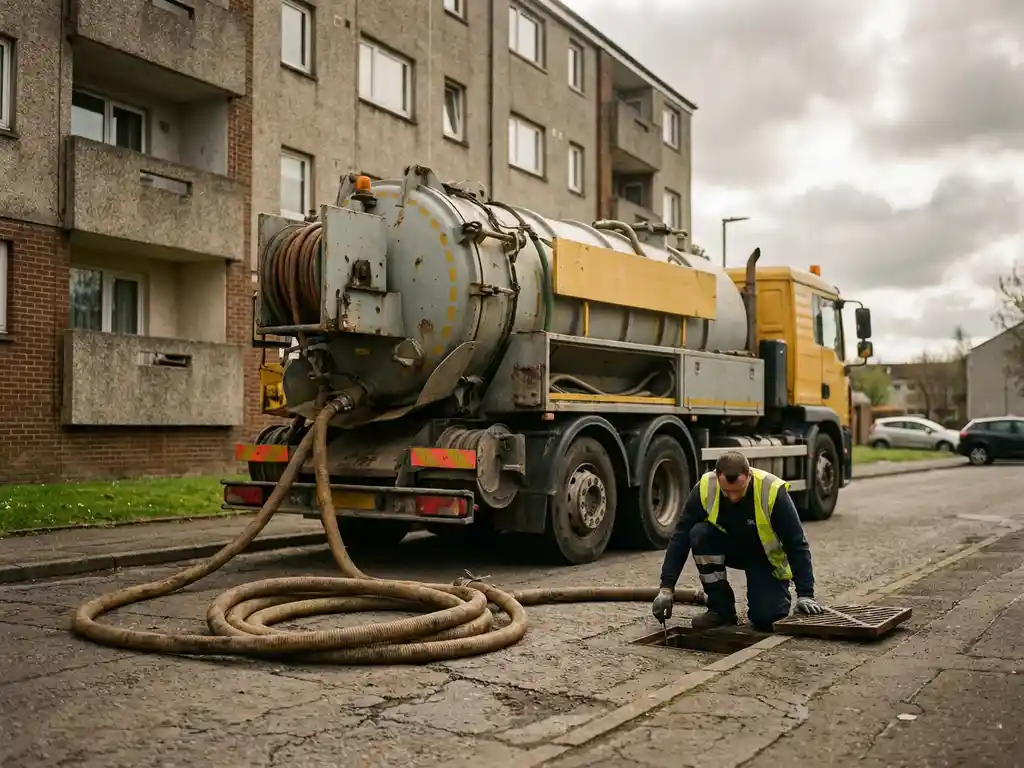
More complex drainage problems that require special equipment, such as high-pressure flushing, can cost between SEK 2,000 and SEK 5,000. If the pipes need to be dug up or replaced, the cost will be significantly higher, often between SEK 10,000 and SEK 30,000, depending on the extent of the work.
The price is affected by factors such as geographical location, the severity of the problem, and whether it is a weekend or weekday. Most plumbers charge a basic call-out fee plus an hourly rate for the work. Spare parts and materials are charged separately.
A visit from a plumber usually includes problem diagnosis, cleaning or repair, and advice on preventive measures. Many also offer a warranty on the work performed for a certain period of time.
How 24 Center helps with urgent toilet problems
We offer professional plumbing services around the clock for all types of toilet problems and drain blockages. Our qualified plumbers have expert knowledge of drainage systems and use modern equipment to quickly solve both simple and complex problems.
Our services for toilet problems include:
- Emergency cleaning of clogged toilets and drains
- High-pressure flushing of sewer pipes
- Diagnosis and repair of recurring stoppages
- Installation and replacement of toilets
- Repair of leaking flushing system
- Preventive maintenance of sewerage systems
With our nationwide network of local technicians, we ensure a quick response time even in emergency situations. Our plumbers are familiar with local building conditions and can quickly identify and solve the problem.
Kontakta oss på 020 74 24 70 för omedelbar hjälp med toalettproblem eller boka online för planerade VVS-arbeten. Vi ger dig alltid en tydlig kostnadsuppskattning innan arbetet påbörjas.
Frequently asked questions
How long should I wait between attempts to unclog the toilet myself?
Wait at least 10-15 minutes between each attempt to allow any chemicals or detergents to take effect. If you are using detergent and hot water, allow it to work for 20-30 minutes before the next attempt. Never make more than 3-4 attempts on your own before contacting a plumber.
Can I use regular soap instead of dish soap to clean the toilet?
Yes, regular liquid soap or shampoo also works well as an alternative to dish soap. Pour a generous amount into the toilet and let it sit before adding hot water. Avoid bar soap or soap with strong perfumes, which can cause additional problems.
What should I do if water starts overflowing from the toilet?
Immediately shut off the water supply by turning the valve behind the toilet clockwise. Remove the lid from the flush tank and lift the float to stop the water supply. Wipe up the water quickly and contact a plumber immediately to avoid water damage.
How often should I maintain the toilet to prevent blockages?
Clean the toilet thoroughly at least once a week and check that the flush mechanism is working properly every month. Avoid flushing foreign objects down the toilet and use reasonable amounts of toilet paper. In older properties, professional cleaning of the drain every 2-3 years can prevent major problems.
What warning signs indicate that the problem is more serious than a normal blockage?
Contact a plumber immediately if you hear bubbling noises from other drains when you flush, if there is a bad smell coming from several drains, if water rises in the shower or sink, or if you see water seeping out at the base of the toilet. These signs indicate problems in the main drain.
Can I use a regular plunger, or do I need a special toilet plunger?
A special toilet plunger (with an extended cup that fits the shape of the toilet) is most effective, but a regular plunger can also work. It is important that the plunger completely covers the drain opening to create sufficient pressure. Make sure there is enough water in the toilet for the plunger to work optimally.
What happens if I accidentally flush something down the toilet that shouldn't be there?
Sluta spola omedelbart och försök inte pressa ner föremålet genom fler spolningar. Mindre föremål som leksaker eller smycken kan ibland tas bort med handskar och försiktighet. För större föremål eller sådant som fastnat längre ner behöver du professionell hjälp för att undvika skador påavloppssystemet.