Knocking noises in water pipes are mainly caused by water hammer, pressure surges, loose pipe fittings or thermal expansion. Water hammer occurs when the water suddenly stops, creating a pressure wave that causes the pipes to vibrate. Loose pipes can hit walls or other pipes when the water pressure changes. Thermal expansion causes pipes to expand and contract with temperature changes, creating snapping or banging sounds.
What causes knocking sounds in water pipes?
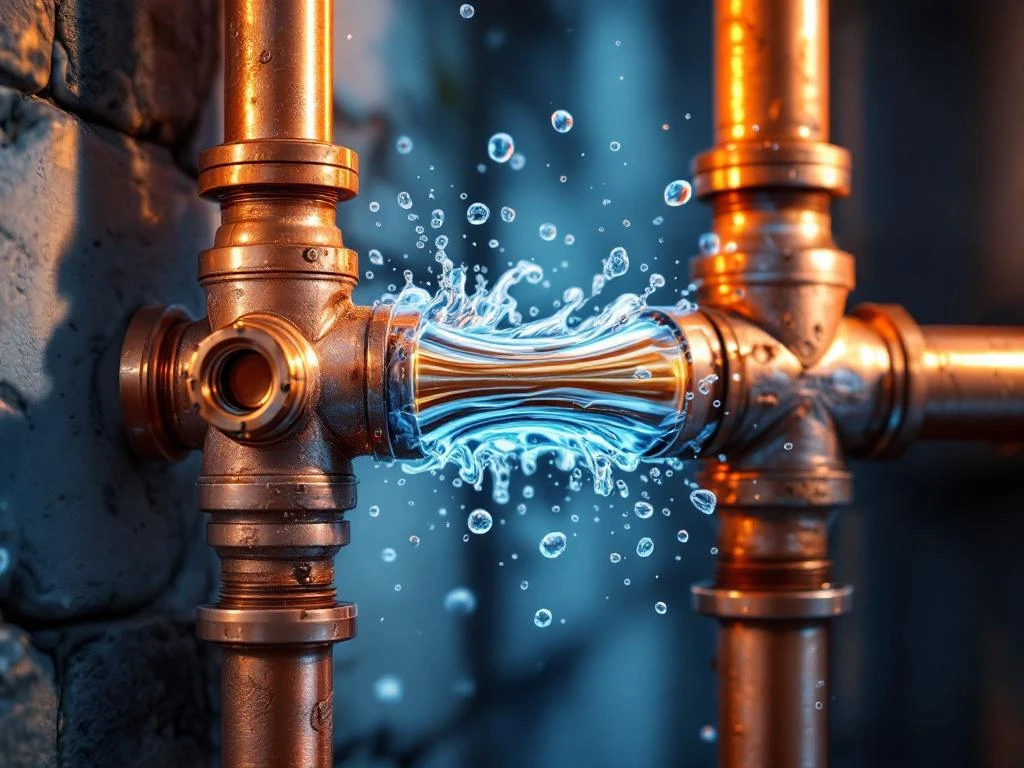
The most common causes of banging noises in water pipes are water hammer, pressure hammer, loose pipe fittings and thermal expansion. Water hammer is the most frequent problem and occurs when water moving at high speed is suddenly stopped by a quickly closed tap or valve.
When you quickly turn off the water, a pressure wave is created that travels backwards through the pipe system. This wave causes the pipes to vibrate vigorously against surrounding structures, creating the characteristic knocking sound. The problem is exacerbated if your plumbing system lacks air chambers or pressure equalizers that normally absorb these pressure shocks.
Loose pipe fittings are another common cause of pipe noise. When pipes are not properly attached, they can move freely when the water pressure changes. This causes the pipes to bang against walls, joists or other pipes, creating disturbing banging sounds especially when using water.
Thermal expansion mainly affects hot water pipes. As hot water flows through the pipes, the metal expands, and as it cools, it contracts again. This movement can create popping or banging noises, especially if the pipes are tightly fitted through walls or floors without enough room for expansion.
How to distinguish water hammer from other pipe sounds?
Water hammers are recognized by their sharp, loud banging sound that occurs immediately when you turn off the water. The sound is short but powerful and comes immediately after the tap is closed. Unlike other pipe noises, water hammer is always linked to the water being suddenly stopped.
Other types of pipe sounds have different characteristics. Loose pipes create more irregular sounds that can be heard both when the water is used and when it is turned off. The sound varies depending on how the pipes move and what they hit.
Thermal expansion usually produces popping or creaking sounds that come gradually as the pipes heat up or cool down. These sounds do not usually occur immediately when you use the water but may come several minutes after you open the hot water tap.
Air bubbles in the system create a more hissing or gurgling sound, while high water pressure often produces a constant whining sound from taps and fittings. By listening to when the noise occurs and what it sounds like, you can identify the likely cause and determine what action is needed.
What problems can burst water pipes cause in the longer term?
Banging water pipes can cause serious damage to your plumbing system if the problem is not addressed. Constant pressure blows from water hammers can loosen fittings, damage valves and even burst pipes. This leads to water leaks that can cause water damage to your property.
Repeated pressure surges wear out all components of the piping system. Couplings and joints are subjected to extra stress and may start leaking. Valves and taps can be damaged internally, affecting their function and lifetime. In the worst case, pipes can burst, especially older copper pipes or pipes that are already weakened.
Loose pipes that continuously hit walls or other structures can damage both the pipes themselves and surrounding building materials. The vibrations can also propagate through the building's structure and cause disturbances in other parts of the building.
In addition to the technical problems, knocking sounds affect your living comfort and can disturb your sleep. The problem tends to worsen over time if not addressed, making repairs more extensive and costly the longer you wait.
Can you fix knocking noises in water pipes yourself?
You can try some simple measures yourself before contacting a plumber. First, check your water pressure by looking at the pressure gauge at the main line. If the pressure is above 4-5 bar, you can adjust it down with the pressure regulating valve to reduce the risk of water hammer.
Try to identify loose pipe fittings by following the sound to its source. If you can access the pipes, check that all fasteners are properly seated and tighten loose screws. Add extra brackets or padding where pipes move too much.
Bleed your plumbing system by turning off the main tap and opening all taps until the water stops flowing. Then close the taps and open the main tap again. This may help if the problem is due to air in the system.
However, some problems require professional help. If the banging continues after your actions, if you suspect water hammer or if the noise comes from pipes inside walls, you should contact a qualified plumber. Installing pressure equalizers, adjusting valves or extensive piping work requires specialist knowledge to be carried out safely and correctly.
How 24 centers help with plumbing problems and pipe noise
At 24 Center, we solve all types of plumbing problems that cause banging noises in water pipes. Our qualified plumbers have expert knowledge of water hammer, pressure surges, and other pipe sound issues that affect your living comfort.
Our services for tapping water pipes include:
- Professional diagnosis of sound sources and causes
- Installation of pressure equalizers and air chambers
- Water pressure adjustment and system balancing
- Securing loose pipes and reinforcing pipe supports
- Repair of damaged valves and couplings
- Complete review of the functioning of the HVAC system
We offer 24/7 service because we understand that plumbing problems rarely come at convenient times. Our local technicians know the specific challenges of the Swedish building stock and can quickly identify and solve even complicated pipe sound issues.
Call us on 08 40 24 240 for immediate help with throbbing water pipes, or book a visit online for less urgent plumbing issues. We'll provide you with a long-term solution that restores peace of mind to your home.
Frequently asked questions
How much does it cost to fix water hammer and knocking pipes?
The cost varies depending on the extent of the problem. Simple measures such as adjusting water pressure or installing pipe fittings usually cost between €1 500 and €3 000. Installing pressure equalizers or air chambers costs around £3,000-£6,000, while extensive pipework can cost £8,000-£15,000 or more depending on availability and the complexity of the system.
How long does it take to repair burst water pipes?
Minor repairs such as adjusting water pressure or securing loose pipes usually take 1-2 hours. Installation of pressure equalizers takes around 2-4 hours depending on the design of the system. More extensive work requiring opening walls or replacing fittings can take a full day or more, especially in older properties with complicated pipework.
Can banging pipes be dangerous or cause acute injuries?
Yes, severe pressure surges can cause acute pipe bursts resulting in flooding and extensive water damage. If you hear very loud banging noises or notice a sudden drop in water pressure, you should immediately turn off the main faucet and contact a plumber. Never ignore loud or suddenly worsening pipe noises as they may indicate imminent system failure.
Why do the pipe noises get worse in the evenings and at night?
Pipe noises are often amplified in the evenings because water pressure in municipal pipes increases when fewer people use water. At the same time, homes are quieter, making the sounds more noticeable. Thermal expansion from hot water pipes is also more noticeable when temperature differences are greater between day and night.
Can new fixtures or taps cause banging noises in old pipe systems?
Yes, modern quick-closing faucets can exacerbate water hammer in older piping systems that lack pressure equalizers. New faucets often close faster than old ones, creating stronger pressure surges. If you've recently replaced faucets and noticed increased pipe noises, installing pressure equalizers or adjusting the closing speed may solve the problem.
Does it help to install pressure equalizers in all rooms or is one enough?
A centrally located pressure equalizer at the main line usually solves water hammer throughout the system. However, in larger properties or complicated piping systems, multiple equalizers may be needed, especially near large consumers such as washing machines or dishwashers. A plumber can assess your specific system's needs and recommend optimal placement.
Can pipe noise be prevented during new installation or renovation?
Absolutely! For new installations, pressure equalizers should be installed from the start, pipes fitted with sufficient fixings every 1.5-2 meters, and sufficient space left for thermal expansion. Use rubberized brackets to dampen vibrations and choose taps with soft closure. Correct sizing of pipe diameters and pressure control valves also prevents future problems.