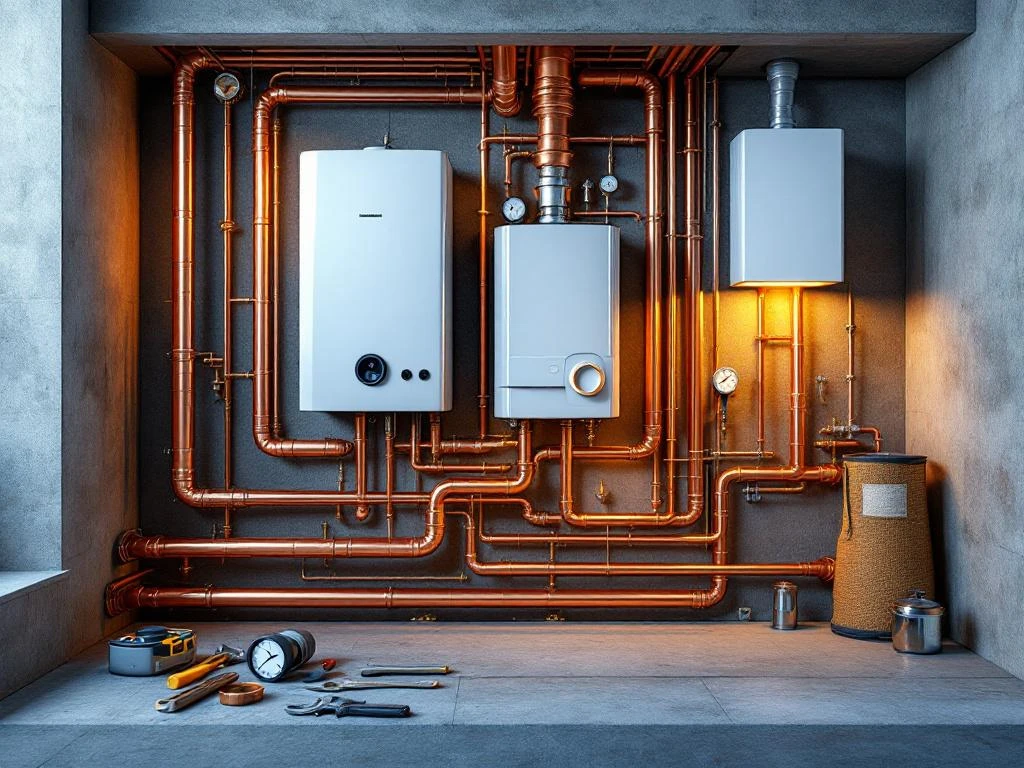
Plumbing maintenance for homeowners includes regular inspection and servicing of all water installations, heating systems, and drainage solutions in your home. This includes both preventive maintenance, such as cleaning drains and checking pipes, and emergency repairs, such as water leaks and blocked drains. Proper maintenance protects your property from costly damage and ensures that all plumbing systems function optimally year-round.
What does HVAC maintenance actually entail for a house?
Plumbing maintenance for houses means regularly checking and maintaining all water installations, heating, and sewage systems in your property. Basic maintenance includes cleaning faucets, checking pipes, and flushing drains. Advanced maintenance includes servicing water heaters, heat pumps, and major repairs to pipe installations.
As a homeowner, you are responsible for the entire property's plumbing system, which differs from rental properties where the landlord takes care of most things. Your home often has more complex installations such as its own heat source, larger piping systems, and more bathrooms, which require regular maintenance.
Preventive plumbing maintenance saves you from expensive emergency repairs. When you maintain your home's plumbing regularly, you can detect problems early on before they develop into major damage that can cost tens of thousands of dollars to repair.
Which plumbing components need regular inspection in a house?
The most important plumbing components that require regular maintenance are pipes, water heaters, heating systems, drains, and faucets. Each component has specific checkpoints that help you detect problems before they become serious.
Pipes should be checked for leaks, corrosion, and insulation. Look for moisture spots around pipe penetrations and feel if the pipes are warm when they should not be. Check that the insulation is still in place, especially on cold water pipes that can condense.
The water heater needs annual servicing to function efficiently. Check pressure valves, anode rods, and any leaks around the tank. Clean temperature sensors and check that the water maintains the correct temperature without becoming too hot.
Drainage systems require regular cleaning to prevent blockages. Flush drains with hot water, check floor drains, and ensure that all siphons have water. Also check that the drain ventilation is working properly.
How often should you perform plumbing maintenance in your house?
Plumbing maintenance for homeowners should be carried out according to a structured schedule: daily checks for visible problems, monthly checks of taps and drains, seasonal maintenance, and annual professional servicing of major components such as water heaters and heating systems.
Every day, you should be alert to unusual noises from pipes, low water pressure, or poor drainage. Every month, check that all taps close tightly, that drains are flowing well, and that no new damp spots have appeared.
Seasonal maintenance is particularly important for detached houses. In winter, check that pipes in cold spaces do not freeze, while in spring, check outdoor pipes for frost damage. In autumn, prepare the system for cold weather by draining outdoor taps and checking insulation.
The age of the house significantly affects the frequency of maintenance. Houses older than 30 years need more frequent inspections because pipes and components begin to wear out. Newer houses can manage with basic maintenance according to the manufacturers' recommendations.
How much does plumbing maintenance cost for homeowners?
Plumbing services for a house cost between $500 and $1,500 annually for basic preventive maintenance, while emergency repairs can cost between $1,000 and $5,000 depending on the extent of the problem. Preventive maintenance is always more cost-effective than waiting for emergency problems to arise.
Basic maintenance measures such as cleaning drains, replacing taps, and minor adjustments usually cost SEK 1,500–3,500 per occasion. Servicing a water heater or heat pump costs SEK 3,000–8,000 annually.
Factors affecting the price include the size of the house, the age of the systems, accessibility to pipes, and whether the work requires special tools. Emergency repairs outside of working hours cost more than scheduled maintenance.
To budget for plumbing costs effectively, set aside 1-2% of the value of your home each year for maintenance of plumbing systems. Create a reserve for unexpected repairs and consider service agreements for major components that provide predictable costs.
What plumbing problems can you prevent with proper maintenance?
Proper preventive plumbing maintenance helps you avoid water leaks, frozen pipes, clogged drains, and limescale buildup —the four most common and costly plumbing problems affecting homeowners. Each problem can be prevented with specific maintenance measures.
Water leaks can be prevented by regularly checking pipes, pipe caps, and connections. Replace old rubber seals before they start to leak and keep an eye on the water pressure in the system. Pay particular attention to areas where pipes pass through walls or floors.
Freeze damage can be avoided by properly insulating pipes in cold areas and by keeping the heating on even when you are away. Drain outdoor taps in winter and make sure that cold water pipes are adequately insulated.
Prevent drain blockages by never flushing grease, hair, or foreign objects down the drain. Clean floor drains and drain strainers regularly, and flush the drains with hot water monthly to dissolve grease deposits.
Limescale deposits can be minimized by regularly cleaning taps and shower mixers with limescale remover. Consider water treatment if you have very hard water, and replace limescale-affected components before they stop working completely.
How 24 Center assists homeowners with HVAC maintenance
We offer comprehensive services for homeowners through our nationwide network of qualified plumbers who work around the clock, every day of the year. Our HVAC specialists handle everything from preventive maintenance programs to emergency repairs and have in-depth knowledge of local building conditions.
Our plumbing services for homeowners include:
- Installation and servicing of water heaters and heating systems
- Repairing water leaks and sewage problems
- Replacement of taps, mixers, and toilet seats at a fixed price
- Preventive maintenance of pipelines and sewer systems
- Urgent repairs with short response times
The benefits of professional plumbing services include accurate diagnosis of problems, long-term solutions that stand the test of time, and peace of mind knowing that the work is carried out in accordance with industry standards. We use high-quality materials and provide guarantees on our work.
Contact us at 08 40 24 240 for immediate assistance with urgent plumbing problems or book online at 24center.se for scheduled maintenance work. We make it easy for you to get professional help when you need it, regardless of the time of day.
Frequently asked questions
Can I perform plumbing maintenance myself, or do I always need to hire a plumber?
Basic maintenance such as cleaning drains, checking taps, and visually inspecting pipes can be done yourself. More advanced work such as servicing water heaters, repairing leaks, or work that requires soldering should be carried out by a professional plumber for safety reasons and to avoid further damage.
What warning signs should I pay particular attention to between maintenance intervals?
Pay particular attention to unusual noises from pipes (knocking or hissing), sudden changes in water pressure, unpleasant odors from drains, or damp patches spreading on walls and ceilings. These signs may indicate serious problems that require immediate attention to avoid further damage.
How does hard water affect my plumbing systems, and what can I do about it?
Hard water accelerates limescale build-up in pipes, taps, and water heaters, reducing the efficiency and shortening the life of your plumbing components. Consider installing a water treatment system and regularly clean taps and shower mixers with limescale remover to minimize damage.
What should I do to prepare my plumbing system for winter?
Empty and turn off outdoor taps, check the insulation on pipes in cold areas such as basements and attics, and make sure that the heating is never turned off completely, even when you are away. Also check that floor drains have enough water in their traps to prevent freezing.
How do I know when it's time to replace my water heater?
Signs that your water heater needs to be replaced include age over 10-15 years, rust spots around the tank, difficulty maintaining a constant temperature, or noticeably increased energy costs. If repair costs exceed 50% of the price of a new unit, it is usually more economical to replace it entirely.
What are the most common mistakes homeowners make when it comes to plumbing maintenance?
The most common mistakes are ignoring small leaks until they become major problems, flushing grease and hair down the drain, not checking pipe insulation regularly, and waiting to perform maintenance until something breaks. Preventive maintenance is always cheaper than emergency repairs.