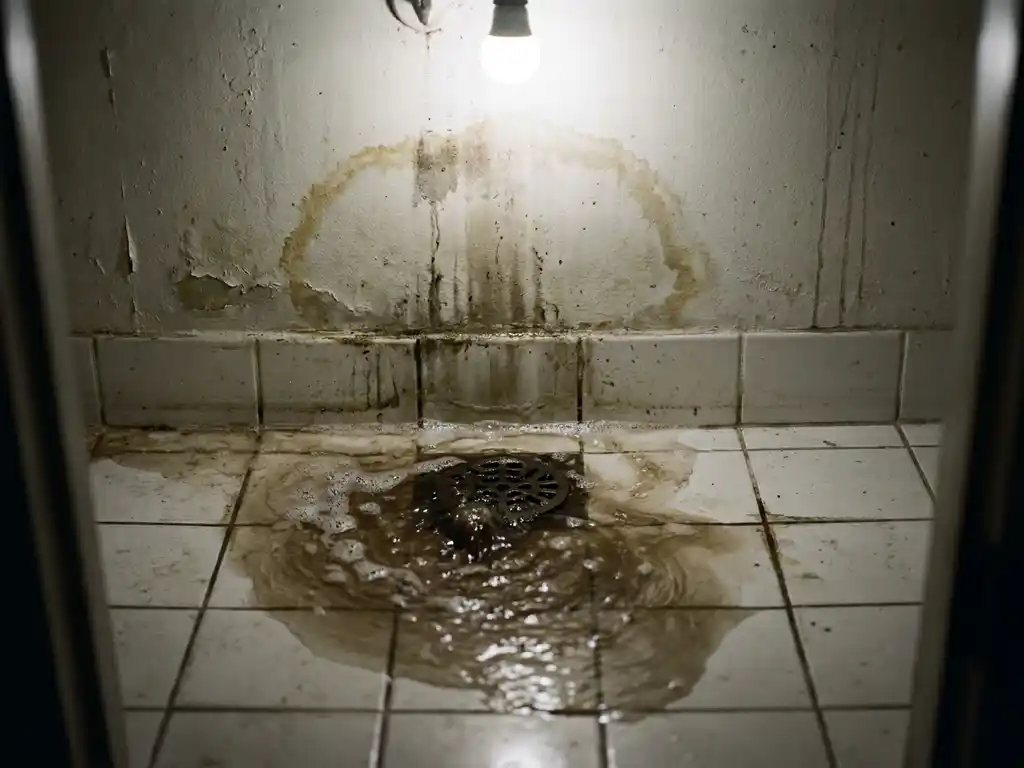

When your water heater leaks, immediately shut off the water supply to the unit and the power for safety reasons. Collect water to prevent water damage and document the leak. Contact a qualified plumber for repairs, as water leaks in the home can cause extensive damage if not addressed quickly. Here are answers to the most common questions about leaking water heaters.
Why is my water heater leaking, and how serious is it?
Water heaters usually leak due to wear and tear on components, corrosion in the tank, excessive water pressure, or faulty valves. Other common causes include loose connections, broken gaskets, or a worn-out anode rod that no longer protects against corrosion.
The severity of the leak depends on where it comes from and how much water is flowing out. A small leak from a valve may be less urgent, while water flowing from the bottom of the tank indicates serious corrosion that requires immediate action. Leaks from the top of the tank may be due to loose connections, which are often easier to repair.
Check the water pressure – it should be between 2–3 bar. Higher pressure can cause leaks from safety valves and negatively affect the entire system. If you see rusty water or notice metal particles, this indicates corrosion inside the tank.
What should I do immediately when I discover that the water heater is leaking?
Shut off the water supply to the water heater via the main tap or the specific shut-off valve. Then turn off the power to the unit via the electrical panel to avoid electrical hazards in the event of an emergency water leak.
Follow these steps for safe handling:
- Place buckets or towels under the leak to collect water.
- Take photos of the damage for insurance purposes
- Move valuables from the area that could be damaged by water
- Check whether water is running down the floor or walls.
- Call a plumbing technician for a professional assessment.
Do not attempt to repair the appliance yourself if you do not have experience in plumbing work. Incorrect handling can worsen water damage and create safety hazards, especially with electrical components near water.
How can I prevent the water heater from leaking in the future?
Regular maintenance prevents most leak problems in water heaters. Inspect the unit monthly for signs of corrosion, loose connections, or unusual noises that may indicate upcoming problems.
Key preventive measures:
- Replace the anode rod every three to five years to protect against corrosion.
- Check the water pressure regularly – adjust if it exceeds 3 bar
- Clean the tank annually to remove sediment
- Test the safety valve by gently lifting the lever.
- Have a plumber perform annual maintenance
Early warning signs include rusty water, unusual noises during heating, reduced water temperature, or small pools of water around the unit. Address these issues immediately to avoid major plumbing emergencies around the clock.
When should I replace the entire water heater instead of repairing it?
Replace the water heater if it is older than 8–12 years and has extensive corrosion damage or recurring leakage problems. Repair costs exceeding 50% of the price of a new unit usually justify replacement rather than repair.
Factors influencing the decision:
- Age – devices over 10 years old often have several components that will soon need to be replaced
- The extent of corrosion in the tank that cannot be repaired
- Energy efficiency – new models can reduce your energy costs
- Frequency of repairs – recurring problems indicate system errors
- Capacity – if your needs have changed
Modern water heaters have better insulation and higher energy efficiency, which can offset the investment cost through lower operating costs. A plumbing expert can help you assess whether repair or replacement is most economical over time.
How 24 Center helps with urgent hot water heater problems
We offer professional plumbing services around the clock for all types of hot water heater problems and emergency water leaks. Our qualified plumbers will quickly arrive at your location with the right tools and spare parts to solve the problem efficiently.
Our plumbing services include:
- Emergency leak repair and water damage protection
- Repair of defective valves and couplings
- Replacement of anode rods and other components
- Installation of new water heaters
- Preventive maintenance and service
- Pressure adjustment and system optimization
Ring 020 74 24 70 för omedelbar hjälp vid akuta varmvattenberedarproblem. För mindre brådskande ärenden kan du enkelt boka service online. Vi förstår att VVS-problem sällan uppstår vid lämpliga tidpunkter, och våra lokala tekniker är därför tillgängliga alla dagar om året.
Frequently asked questions
How much does it cost to repair a leaking water heater?
Repair costs vary depending on the extent of the problem. Simple repairs such as replacing gaskets or valves usually cost SEK 1,500-3,000, while more extensive repairs such as replacing the anode rod or heating element can cost SEK 3,000-6,000. If the tank has corrosion damage that requires replacement, the costs can amount to SEK 15,000-25,000 including installation.
Can I use the water heater while it is leaking slightly?
No, you should not use a leaking water heater even if the leak seems small. Even small leaks can quickly worsen and cause extensive water damage or electrical hazards. Turn off both the water and power to the unit and contact a plumber immediately for a safe assessment and repair.
What tools do I need to shut off the water in case of an emergency leak?
You will usually need a wrench or pipe wrench to turn off the main tap or the specific shut-off valve for the water heater. Always have a flashlight handy to find the valves in poor lighting conditions. Many modern systems have simple knobs that can be turned by hand, but older installations may require tools to turn off the water supply.
How long will a repaired water heater last after a leak repair?
A professionally repaired water heater can last another 3-8 years, depending on the age of the unit and the extent of the repair. Minor repairs such as replacing valves or gaskets often result in several years of trouble-free operation. If the tank has corrosion damage, its service life is more limited, and you should plan to replace it within 2-4 years even after repair.
What happens if I ignore a small leak from the safety valve?
Leaks from the safety valve often indicate excessive water pressure in the system, which can lead to more serious damage if ignored. High pressure can cause cracks in the tank, damage other plumbing components, and increase the risk of sudden total system failure. Contact a plumbing technician for pressure adjustment and valve inspection within a few days of discovery.
How can I check whether my anode rod needs replacing?
You can check the anode rod by unscrewing it from the top of the tank with the right tools, but this requires some plumbing knowledge. Signs that the anode rod needs to be replaced include rusty water, a metallic taste, an unusual smell from the hot water, or if the rod is severely corroded when you inspect it. To be on the safe side, a professional inspection is recommended every three years.