When tree roots grow into the drain, you often notice it through slow drainage, recurring blockages and gurgling sounds from the drain. Sewer root intrusion is a common problem that can cause serious damage to your sewer system if not addressed in time. Tree roots naturally seek out moisture and nutrients in the sewer lines through small cracks in the pipes. Here are answers to the most common questions on how to identify, solve and prevent this problem.
How do I know if tree roots have grown into my drain?
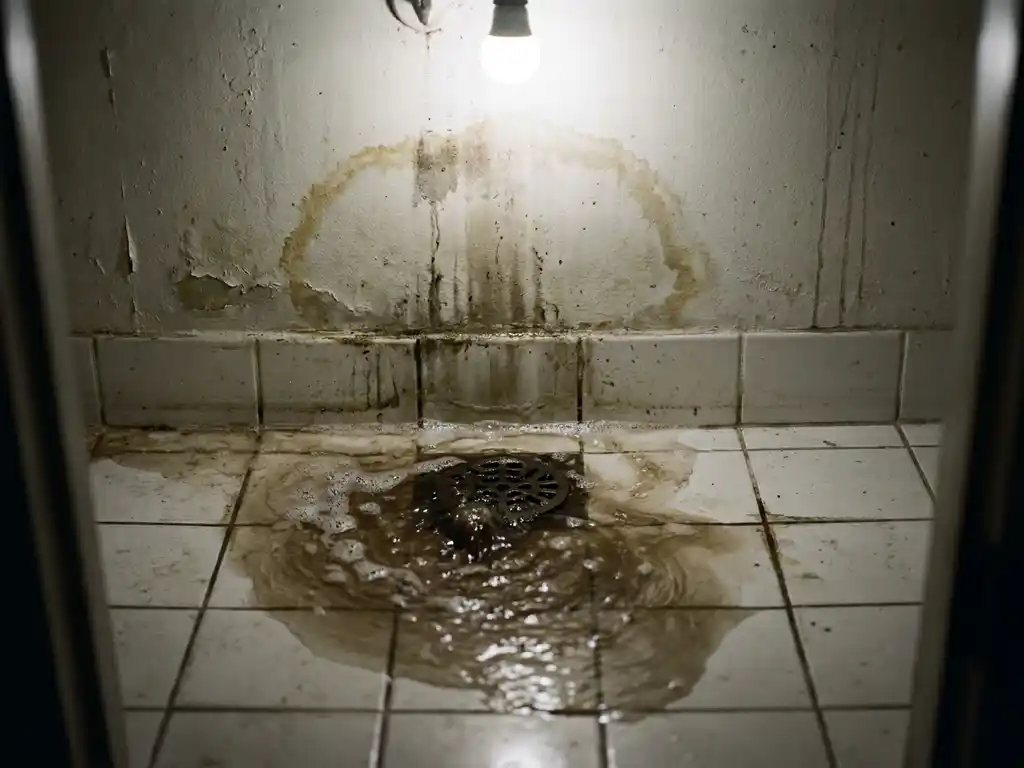
Tree roots in sewer line show themselves through several distinct signs. You'll notice slow draining in toilets, showers and sinks, recurring blocked sewer roots and strange gurgling sounds as water runs down. Bad odors from the drains are also a common symptom of root intrusion.
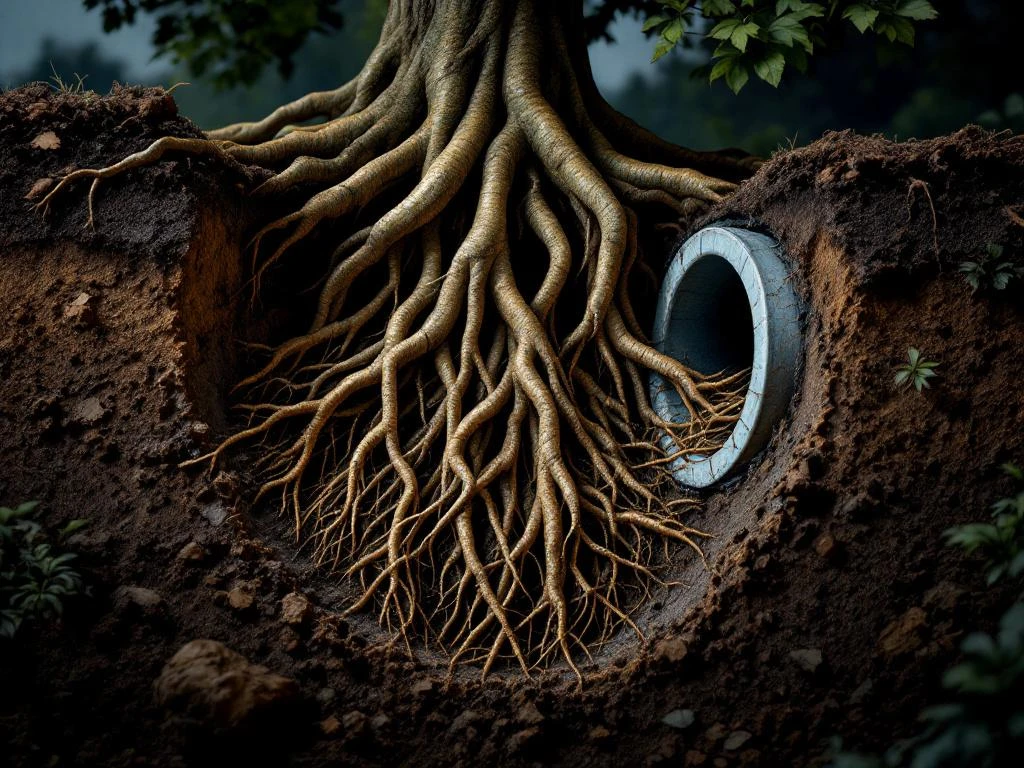
Roots enter the sewer system through small cracks, joint damage or loose connections in the pipes. They actively seek out moisture and nutrients present in the wastewater. Once inside, the roots grow rapidly and create increasingly large blockages.
The problem often worsens gradually over time. At first, you may only notice that it takes a little longer for the water to drain away. Then come recurring blockages that seem to resolve themselves. Eventually, the blockages become permanent and require professional help.
What can I do myself to solve root problems in the sewer?
For smaller root intrusions, you can try mechanical clearing with drainpipes or spiral drills. Hot water mixed with dish soap can also help dissolve smaller root masses. Some chemical drain cleaners are specially developed to combat tree roots blocking drains, but use them carefully according to the instructions.
Mechanical methods work best for the beginner phase of root intrusion. A standard household auger can reach 3-5 meters into the pipe and break up smaller root masses. High-pressure flushing with a garden hose can also provide temporary relief.
Chemical solutions should be used sparingly as they can damage old pipes and negatively affect the environment. They mainly work on small, soft roots and rarely provide a permanent solution. If the problem recurs within a few weeks, you will need professional help to get to the root cause.
What long-term damage can tree roots cause to the sewer system?
Tree roots can cause extensive structural damage to sewer pipes over time. They expand inside the pipes, creating cracks, deformations, and eventually total pipe breaks. Plumbing root problems can lead to costly repairs that require digging up and replacing entire sections of pipe.
When roots grow inside pipes, they exert enormous pressure on the inside of the pipe walls. Old clay and concrete pipes are particularly susceptible to this type of damage. Modern plastic pipes are more resistant but not immune to root intrusion.
The costs of extensive pipe damage can be significant. Excavating pipelines, replacing damaged sections and restoring soil and hard surfaces often costs tens of thousands of dollars. Early detection and treatment of root problems can prevent these extensive repairs.
How do I prevent tree roots from growing back into the drain?
Prevention starts with smart planting and tree selection. Avoid planting large trees closer than 10 meters from sewer lines. Install plastic or metal root barriers between trees and sewer systems to direct root growth away from the pipes.
Regular maintenance of the sewer system is important to detect problems early. Professional camera inspection every three years can identify small cracks before they become big problems. Sealing joint damage and repairing minor damage prevents roots from entering in the first place.
For existing properties, consider replacing old, fragile pipes with modern materials. New plastic pipes have fewer joints and are more resistant to root intrusion. Also, avoid flushing down organic material that can attract roots to grow towards the drain.
How 24 centers help with root problems in the sewer
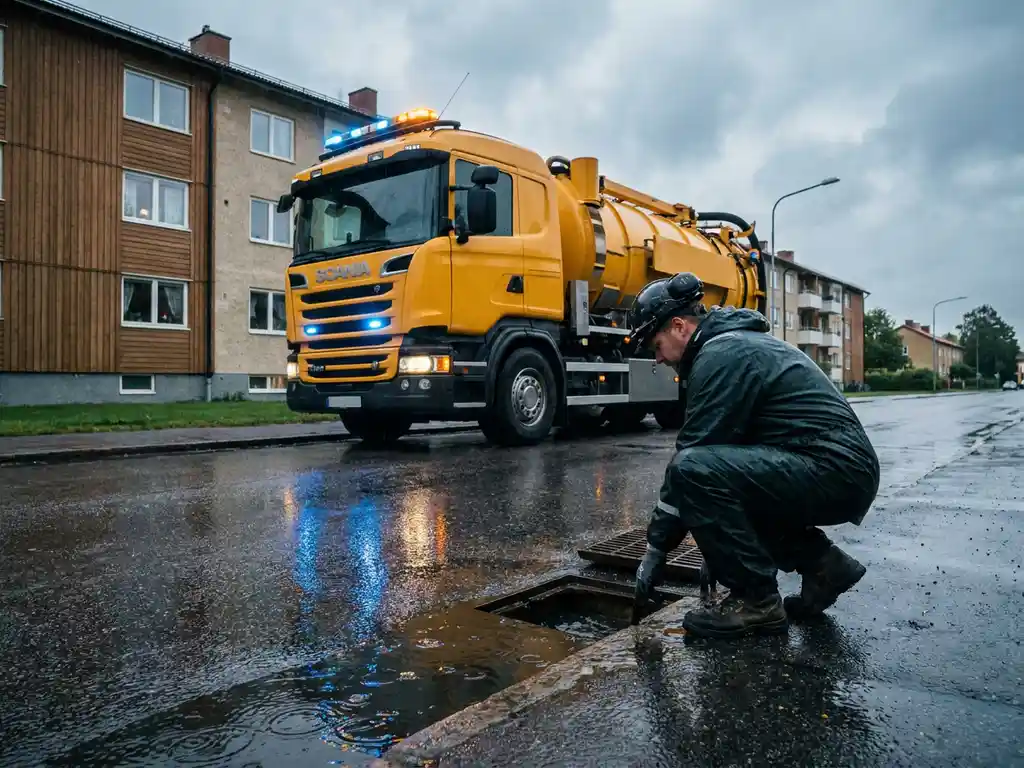
We offer professional sewer cleaning roots with advanced equipment that solves root problems effectively and permanently. Our specialists use modern camera technology for thorough inspection of sewer lines and can identify exactly where the roots are located.
Our services for root problems include:
- Camera inspection to locate root intrusions
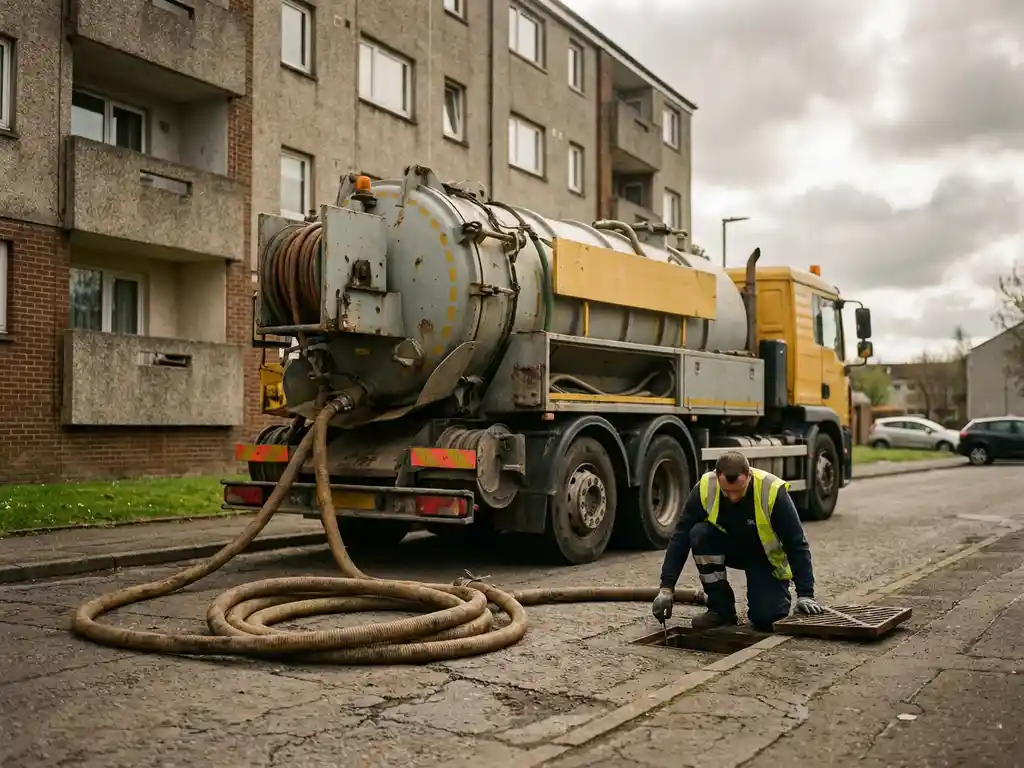
- High pressure flushing with special nozzles for root cleaning
- Mechanical root milling for extensive root masses
- Pipe relining and sealing for permanent solution
- Preventive maintenance program
We are available 24/7 for emergency sewer problems and have technicians with local knowledge throughout Sweden. Our specialized tools and expertise ensure that the root problem is solved correctly the first time.
Contact us on 08 40 24 240 for immediate help with root problems in your sewer, or visit 24center.se to book a visit online for scheduled inspection and preventive maintenance.
Frequently asked questions
How long does it take for tree roots to grow back after clearing?
After professional root cleaning, it usually takes 2-5 years for the roots to grow back, depending on the tree species and the condition of the cane. Fast-growing trees such as willow and poplar can cause problems after 1-2 years, while slower-growing trees such as oak take longer. Regular preventive weeding every 3 years is recommended to avoid recurring problems.
Which trees are most problematic for drainage systems?
Willow, poplar, birch and maple are the most aggressive trees in terms of root intrusion into drains. These trees have shallow root systems that actively seek water and can grow several meters per year. Conifers such as spruce and pine are generally less problematic, but they too can cause damage if planted too close to drains.
Can I use copper sulfate to kill roots in the drain?
Copper sulphate can temporarily kill roots but is not recommended as it is environmentally harmful and can corrode metal pipes. Moreover, it does not solve the root problem - the dead roots still block the pipe and new roots soon grow back. Professional mechanical cleaning is a safer and more effective solution.
How much does it cost to fix sewer root problems professionally?
Camera inspection usually costs €2,000-4,000, while high-pressure flushing with root milling costs €4,000-8,000 depending on the scope. Extensive pipe renovations can cost £15,000-50,000 per 10 meters of pipe. Early detection and treatment saves significant costs compared to waiting until the pipes burst.
How deep can tree roots penetrate sewer systems?
Tree roots can penetrate several meters deep into sewer systems, often following the entire route of the pipeline from the house to the street. Roots of large trees can reach 20-30 meters from the trunk and grow along the sewer line for several hundred meters. They naturally follow the flow of water and grow towards nutrient-rich areas such as pumping stations.
Do homemade solutions like baking soda and vinegar work against tree roots?
Homemade solutions such as baking soda, vinegar or salt have minimal effect on tree roots in drains. These methods may help with minor grease accumulations but lack the power to dissolve or kill established root systems. For real root problems, mechanical cleaning or special tools that can physically remove the root masses from the pipes are required.