When your mixer runs slowly, it is usually due to limescale deposits, worn gaskets or problems with the valve mechanism. You can first try cleaning with descaling agent and check if the handle can be adjusted. If the problem persists or you notice water leaking, you should contact a plumber for professional help.
Why does the mixer run slowly and what are the most common causes?
A sluggish mixer usually occurs due to lime deposits that accumulate in the valve mechanism over time. Limescale from hard water sticks to moving parts and makes the handle difficult to turn. This is particularly common in hard water areas where the mineral content is high.
Worn gaskets and seals are another frequent cause of mixer malfunction. As rubber seals age, they become hard and lose their flexibility, creating resistance when you try to adjust the temperature or water flow.
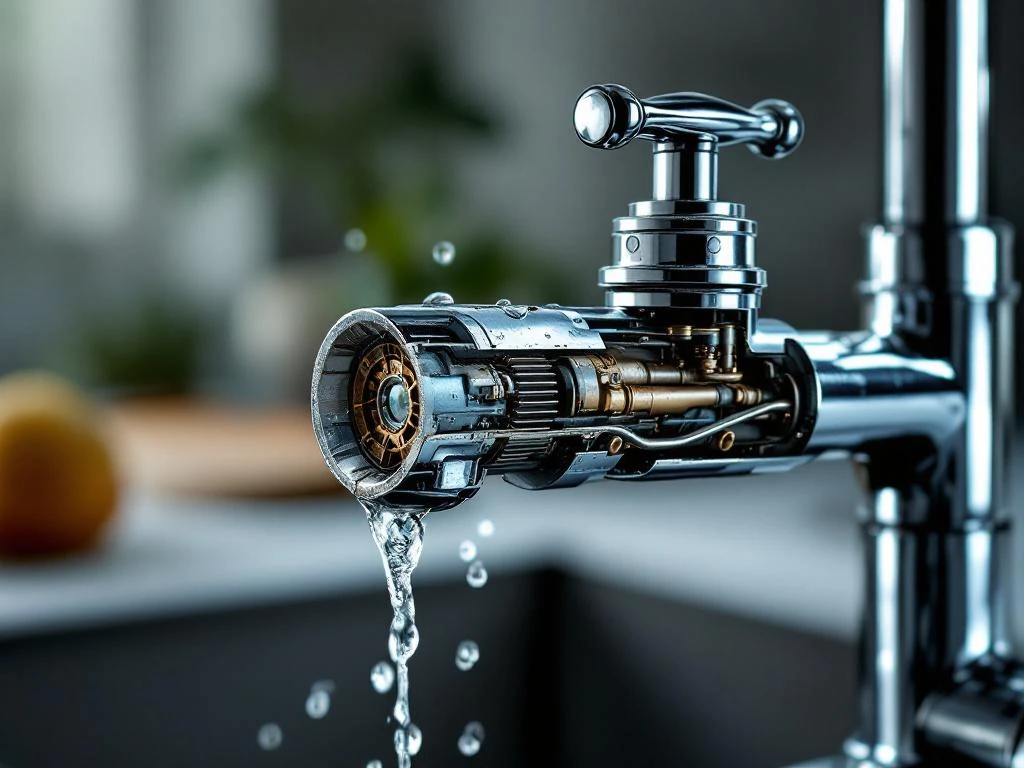
Problems with the valve mechanism itself can also cause sluggish movements. Internal components such as ceramic discs or ball valves can be damaged by contaminants in the water or natural wear and tear. Corrosion on metal parts, especially in older mixers, also contributes to the sluggishness of the handle.
Incorrect installation or adjustment can cause the mixer to not work optimally from the start. If the mixer is installed too tightly or if the water pipes are incorrectly pressurized, it will not function properly.
How can you try to fix a sluggish mixer yourself?
Start by thoroughly cleaning the mixer with descaling agent to dissolve limescale deposits. Apply the product around the handle and let it work according to the instructions. Use an old toothbrush to access hard-to-reach areas where limescale may have accumulated.
Check if the handle is too tight by gently loosening the screws slightly. Many times the handle has been overtightened during installation, creating unnecessary resistance. Be careful not to damage the threads.
Lubricate moving parts with suitable grease if you can access them. Some mixers have visible sliding surfaces that may need maintenance. Use only grease intended for plumbing installations.
Try gently turning the handle back and forth several times after cleaning. This may help to loosen any remaining deposits and make the mechanism work more smoothly.
If the mixer has removable parts, you can disassemble the handle and clean the components separately. Photograph or make a note of how the parts fit before you disassemble anything, so you can reassemble correctly.
When should you contact a plumber for mixer problems?
Contact a professional plumber if the mixer continues to run slowly after thorough cleaning and adjustment. When simple measures do not help, it usually indicates that internal components need to be replaced or that the problem is more complex than it seems.
Water leaking around the handle or from the mixer body is a clear sign that professional help is needed. Leaks may indicate damaged gaskets, cracked components or that the mixer needs to be dismantled for repair.
If the water flow is greatly reduced while the handle is sluggish, there may be blockages in the mixer itself that require special tools to clear. This is particularly common in older installations.
Strange noises such as grinding or scraping when using the mixer indicate that metal parts are rubbing against each other. This can lead to permanent damage if not addressed quickly by a professional.
If you feel unsure about carrying out repairs yourself, it is always best to let an expert handle the problem. Incorrect repairs can cause more damage and more expensive repairs later.
How 24 Center helps with mixer problems
At 24 Center, we offer professional plumbing services for all types of mixer problems, 24 hours a day, 7 days a year. Our qualified plumbers have expert knowledge of both traditional and modern mixer systems and can quickly identify the cause of your sluggish mixer.
Our services for mixer problems include:
- Emergency service for mixers that have stopped working completely
- Professional repair of sluggish and leaking mixers
- Installation of new energy efficient mixers
- Preventive maintenance to extend the life of the mixer
- Advice on choosing mixers for different needs
With our nationwide network of local technicians, we ensure quick response time and accurate service. We understand that plumbing problems rarely come at convenient times, so we're available when you need us most.
Contact us on 08 40 24 240 for immediate help with your mixer problems, or book online for less urgent matters. We'll solve the problem right from the start so you don't have to worry about it in the future.
Frequently asked questions
How often should I clean my mixer to avoid it becoming sluggish?
To prevent limescale build-up, clean the mixer with descaling agent every 2-3 months in hard water areas, and every 4-6 months in softer water areas. Also, wipe the handle daily to prevent limescale from sticking to the surface.
Can I use common household products such as vinegar to clean a sluggish mixer?
Yes, white household vinegar is an effective and environmentally friendly alternative to commercial descaling agents. Mix equal parts of vinegar and water, apply to the affected areas and leave on for 15-30 minutes before gently scrubbing with a toothbrush.
What is the approximate cost of replacing a sluggish mixer at a plumber's?
The cost of replacing a mixer varies between SEK 2000-5000 depending on the type of mixer and the complexity of the installation. Simple repairs such as replacing gaskets often cost SEK 800-1500, while the installation of exclusive thermostatic mixers can cost up to SEK 8000 including materials.
How do I know if the problem is with the mixer or with the water pipes?
Test other taps in the home - if several taps have similar problems, it is probably due to the water pipes or water pressure. If only one tap is affected, the problem is localized to that particular tap. Also check if the problem occurs with both hot and cold water.
Is there any type of mixer that is less prone to sluggishness over time?
Thermostatic mixers and single-lever mixers with ceramic valves are generally more durable and less susceptible to limescale build-up than traditional two-lever mixers. Quality mixers from well-known manufacturers often have better seals and more corrosion-resistant materials.
Can a slow mixer affect my water consumption and energy costs?
Yes, a sluggish mixer can lead to higher costs as you might let the water run longer to get the right temperature, or not shut off completely because of the sluggish handle. A well-maintained mixer will help you quickly find the desired temperature and shut off properly.
What are the warning signs that the mixer will soon break down completely?
Signs that worsen over time include increasingly sluggish handles, intermittent leaks, uneven water flow, difficulty getting the right temperature, and unusual noises when using the mixer. If you notice several of these symptoms at once, you should plan for a replacement soon.