Heating accounts for the largest share of household electricity consumption, especially during the winter months. Hot water, refrigerators, freezers, and washing machines are other major electricity consumers that significantly affect your electricity bill. Together with lighting and electronics such as televisions and computers, these appliances account for the majority of total energy consumption in a Swedish home.
Which appliances consume the most electricity in a typical Swedish household?
Heating dominates electricity consumption and accounts for approximately 40–60% of total energy consumption in Swedish households. Direct electric heating and heat pumps are the most common forms of heating that have the greatest impact on electricity bills.
After heating, hot water production is the second largest consumer of electricity. Water heaters work continuously to maintain the right temperature, which means they consume electricity even when you are not actively using hot water.
Appliances such as refrigerators and freezers must run around the clock and therefore contribute significantly to monthly electricity consumption. Washing machines and dishwashers use electricity both for operation and for heating water, making them noticeable power guzzlers when used regularly.
Lighting also affects your electricity bill, especially during the dark winter months when the lights are on for many hours a day. Electronics such as TVs, computers, and chargers are minor but constant consumers of electricity in the home.
How much electricity do different household appliances consume per year?
A refrigerator typically consumes 150–400 kWh per year, depending on its size and energy rating. Modern energy-efficient models are at the lower end of the range, while older refrigerators can consume significantly more electricity.
A washing machine uses approximately 200–300 kWh annually during normal use, while a dishwasher consumes approximately 200–250 kWh per year. These figures vary greatly depending on how often you use the appliances and which programs you select.
Televisions consume between 100 and 400 kWh per year, depending on screen size and technology. Older plasma televisions consume significantly more electricity than modern LED or OLED screens.
Lighting accounts for approximately 300–600 kWh annually in an average home. Switching from incandescent bulbs to LED lighting can reduce this consumption by up to 80% without affecting the quality of light.
Computers and laptops consume between 50 and 300 kWh per year, depending on usage and performance. Desktop computers with powerful graphics cards are at the higher end of the range.
Why does electricity consumption increase during winter and how does this affect your bill?
Cold winter temperatures force heating systems to work harder, which can double or triple electricity consumption compared to the summer months. Direct-acting electricity and heat pumps must compensate for the large temperature difference between outside and inside.
Heat pumps become less efficient when the outdoor temperature drops below zero degrees. During very cold periods, the heat pump may need support from electric cartridges, which significantly increases electricity consumption.
Hot water consumption also increases during the winter because the cold water temperature is lower. The water heater must therefore work harder to heat the water to the desired temperature.
Lighting requirements increase significantly during the dark winter months. Lights can be on for up to 16 hours a day, compared to just a few hours during bright summer nights.
To manage higher electricity consumption in winter, you can lower the indoor temperature by a few degrees, use programmable thermostats, and draw the curtains in the evenings to retain heat.
What hidden energy guzzlers are there that many people overlook?
Standby mode on electronic devices consumes electricity continuously, even when the devices appear to be turned off. TVs, stereo systems, coffee machines, and other devices with a red standby light draw power around the clock.
Old appliances can be real energy guzzlers compared to their modern counterparts. A 15-year-old refrigerator can consume twice as much electricity as a new energy-efficient model.
Poor insulation around windows, doors, and attics allows heat to escape, forcing the heating system to work harder. These heat losses are particularly noticeable on your electricity bill during the winter.
Inefficient lighting with old incandescent or halogen bulbs consumes much more electricity than necessary. LED bulbs provide the same brightness with a fraction of the energy consumption.
Chargers left plugged into wall outlets continue to draw electricity even when the phone or tablet is not connected. This so-called "vampire consumption" can account for several percent of a household's total electricity consumption.
How can you reduce electricity consumption without compromising on comfort?
Use timers and programmable thermostats to automatically lower the temperature when you are asleep or away from home. Lowering the temperature by 2–3 degrees during the night can save significant amounts of electricity without affecting comfort.
Only run the washing machine and dishwasher when they are full, and select eco programs whenever possible. These programs use lower temperatures and less water, which reduces both electricity and water consumption.
Turn off appliances completely instead of leaving them in standby mode. Use power strips with switches to easily turn off multiple devices at once.
Switch to LED lighting throughout your home. LED bulbs last longer and consume up to 80% less electricity than traditional incandescent bulbs with the same brightness.
Use lids when cooking and match the size of the pan to the size of the hob. Only boil the amount of water you actually need in the kettle.
Keep your refrigerator and freezer at the right temperature – 4–6 degrees Celsius for the refrigerator and –18 degrees Celsius for the freezer. Every degree colder increases electricity consumption by 5–10%.
How 24 Center helps with energy optimization in the home
We offer professional electrical services to help you optimize your home's electricity consumption and reduce energy costs. Our qualified electricians can install and configure energy-efficient solutions that will make a difference to your electricity bill.
Our energy optimization services include:
- Installation of smart thermostats and time-controlled lighting
- Upgrading to energy-efficient LED lighting systems
- Installation of motion sensors for automatic lighting
- Electrical installations for heat pumps and energy-efficient appliances
- Control and optimization of existing electrical systems
- Advice on energy-saving electrical solutions
With our 24/7 service and local presence throughout Sweden, we can quickly help you implement energy-saving measures. Our technicians have extensive knowledge of modern electrical installations and can provide concrete advice on how to reduce your electricity consumption.
Kontakta oss på 020 74 24 70 för en kostnadsfri konsultation om energioptimering, eller boka online för planerade installationer av energieffektiva elektriska lösningar.
Frequently asked questions
How do I know if my old appliances consume too much electricity?
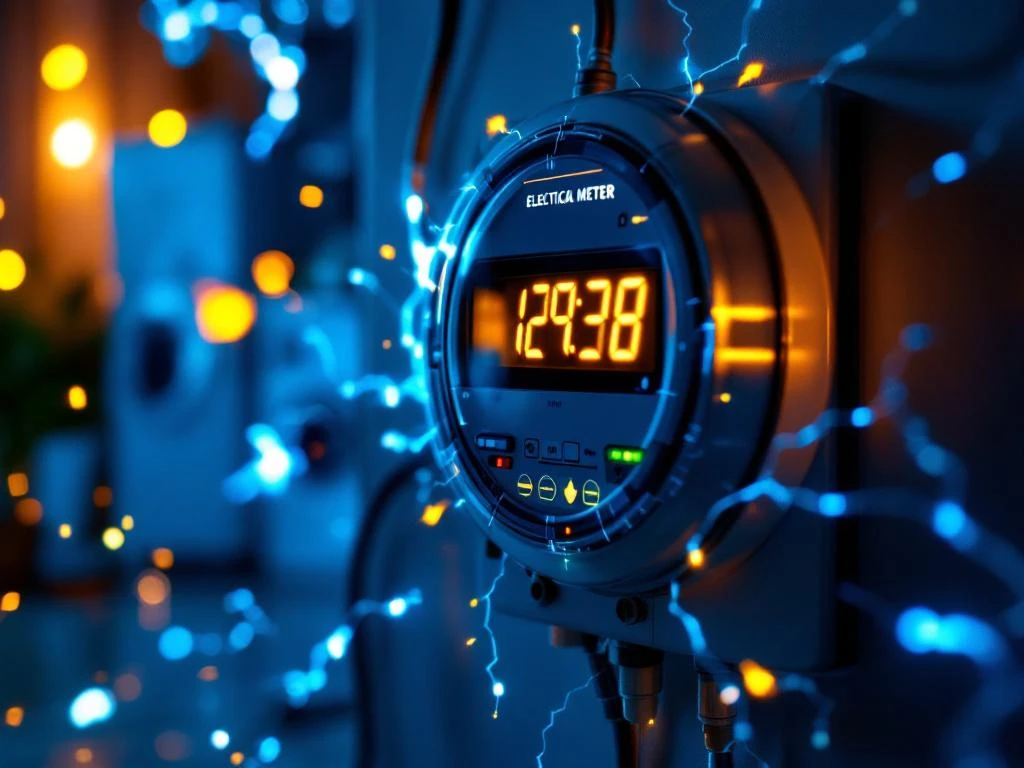
Check the energy label on your appliances – white goods older than 10-15 years often have an energy rating of C or lower. You can also use an electricity meter to measure consumption directly. As a rule of thumb, a 15-year-old refrigerator often consumes twice as much electricity as a modern A+++ model.
Is it really worth replacing appliances that work well in order to save electricity?
It depends on the age of the appliance and your electricity consumption. For appliances such as refrigerators and freezers that run around the clock, it is often worthwhile to replace them after 10-12 years. Calculate the payback period: if the annual savings are more than 10-15% of the purchase price of a new appliance, the replacement is financially justified.
What mistakes do most people make when trying to reduce their electricity consumption?
The most common mistake is to focus on small measures such as unplugging chargers while overlooking major energy consumers such as heating and old appliances. Many people also forget to adjust thermostat settings or do not use timer functions on heating systems and water heaters.
How much can I realistically save on my electricity bill with simple measures?
With basic measures such as LED lighting, correct refrigerator/freezer temperatures, and turning off standby mode, you can save 10-20% on your electricity bill. If you add programmable thermostats and conscious use of appliances, the savings can reach 25-35% without any loss of comfort.
Are heat pumps always the most energy-efficient heating option?
Heat pumps are highly efficient down to approximately -7°C, but at colder temperatures, efficiency drops significantly and electric heating elements are activated. In very cold climates, geothermal or district heating may be more efficient than air-to-water heat pumps. Consult an electrician to determine what is best suited for your home.
Which smart home solutions have the greatest impact on electricity consumption?
Programmable thermostats offer the greatest savings, as heating is the largest consumer of electricity. Smart lighting with motion sensors and time controls comes in second place. Smart sockets that automatically shut off standby consumption are also very effective for electronics and smaller appliances.
How do different electricity prices and electricity contracts affect my savings measures?
With variable electricity prices, it pays to use electricity-intensive appliances such as washing machines and dishwashers when electricity prices are low, often at night. With fixed electricity prices, focus on reducing total consumption. Hourly rate agreements can make heat pump operation more profitable by optimizing operating times according to electricity price variations.