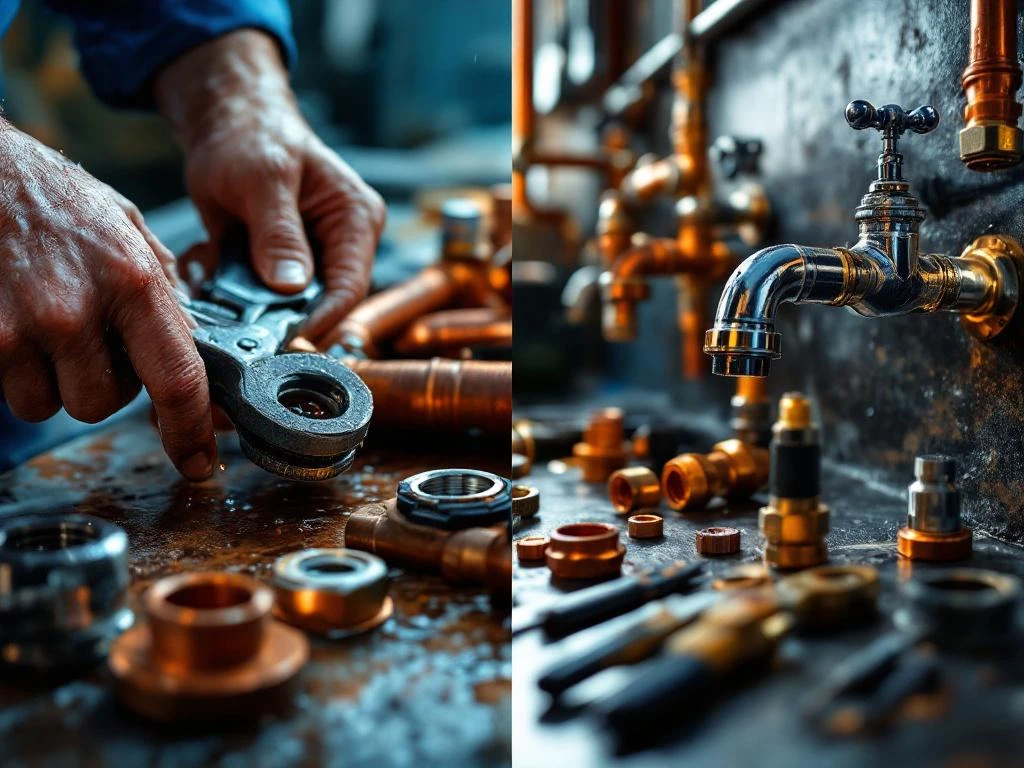
The difference between plumbing repair and installation is the scope of the work. Plumbing repair involves fixing or adjusting existing systems, such as leaky faucets or running toilets, while plumbing installation means replacing entire components or systems. Repairs usually cost less and take less time, while installations require larger investments but provide more long-term solutions. Understanding the difference will help you choose the right course of action and budget for your plumbing problem.
What exactly does plumbing repair mean?
Plumbing repair involves fixing faults or problems in existing water, heating, and sewage systems without replacing entire components. It involves restoring the functionality of systems that are already installed in your property.
Common plumbing repairs include sealing leaky faucets, adjusting flush mechanisms in running toilets, clearing minor drain blockages, and replacing washers in mixers. These jobs focus on solving specific problems by repairing or adjusting individual parts.
You should choose repair when the problem is limited to a specific component and the rest of the existing system is working well. Repairs are often the most cost-effective solution for minor problems that do not affect the entire system's functionality. Typical repair jobs take a few hours and cause minimal disruption to your home.
When do you need plumbing installation instead of repair?
Plumbing installation becomes necessary when existing components are too old, damaged, or inefficient to make repairing them worthwhile. Installation involves replacing entire units, such as toilets, faucets, or parts of the piping system.
Signs that installation is required include recurring problems despite repairs, components that are older than 15–20 years, or if you want to upgrade to more modern and energy-efficient solutions. If a mixer tap is leaking from several places or a toilet has cracks in the porcelain, installation is the best solution.
Various types of installation work include replacing toilet seats, installing new mixers in kitchens and bathrooms, fitting shower mixers, and installing water ejectors. These jobs often require dismantling old components, adjusting connections, and sometimes minor construction work to accommodate new dimensions.
How much does plumbing repair cost compared to installation?
Plumbing repairs usually cost between SEK 500 and SEK 2,000 depending on the extent of the problem, while installations often cost between SEK 1,500 and SEK 4,000 per component. Repairs have lower material costs but may require more return visits over time.
Factors affecting the price include labor time, material costs, accessibility to the work site, and the complexity of the job. Installing a new toilet seat costs around $349, including labor, while repairing the flush mechanism can cost less than $100.
To assess what is most economical in the long term, you should consider the age and condition of the component. If a mixer is over 15 years old and requires repeated repairs, installation may be more cost-effective. Choose repair for newer components with isolated problems and installation when you are facing recurring costs.
How do you know if your plumbing problem requires emergency assistance?
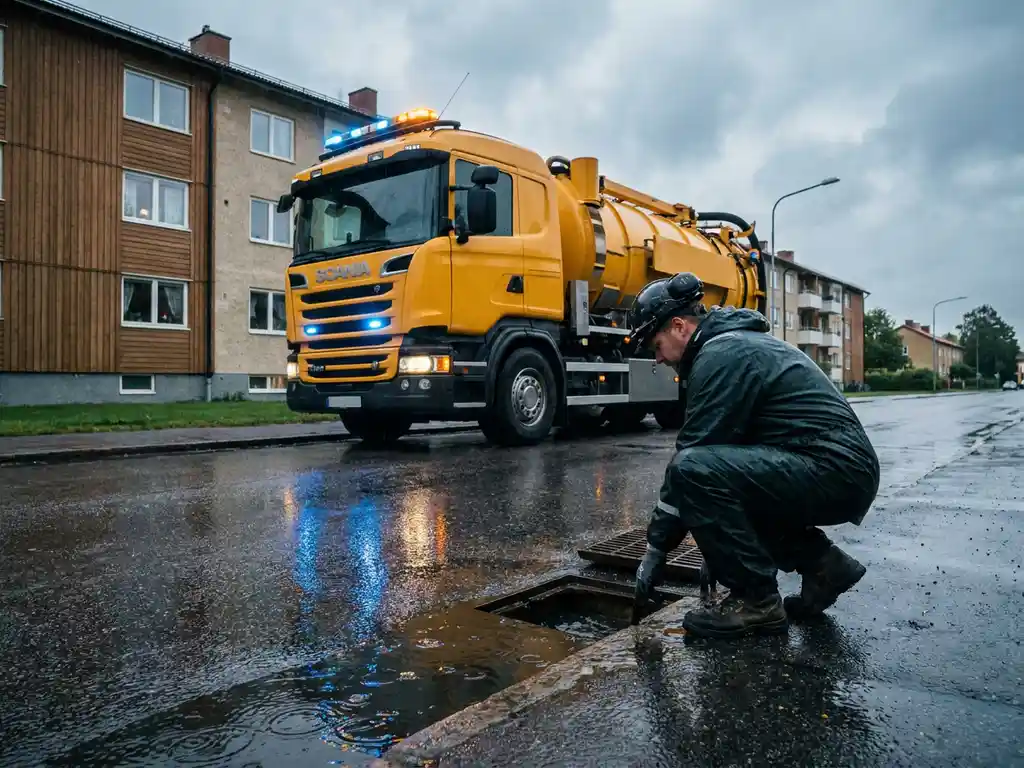
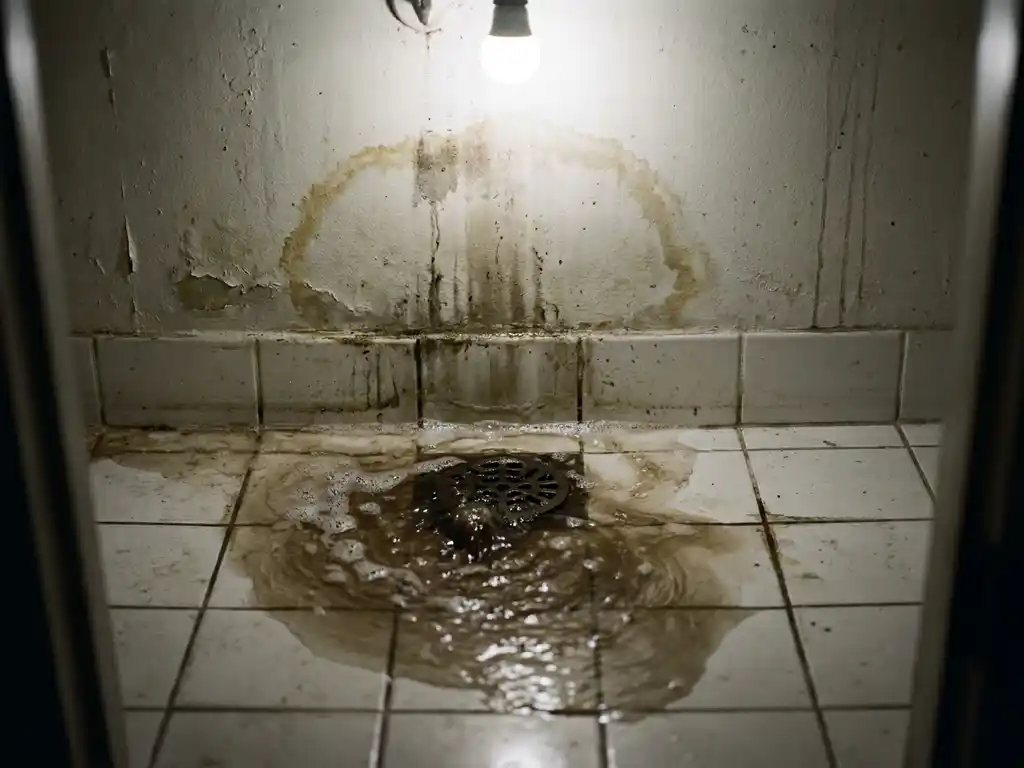
Urgent plumbing problems require immediate action and include water leaks that can damage the property, total blockages in drains, or a lack of hot water supply. These situations can cause extensive damage if not dealt with quickly.
Signs of urgent problems include water running onto the floor, a strong smell from the drain, a complete blockage in the toilet or sink, or a noticeable drop in pressure in the water system. These situations require immediate contact with a plumber, regardless of the time of day.
The difference between emergency repairs and planned installations lies in the time perspective. Emergency repairs are about stopping damage and restoring basic functionality, while planned installations can be scheduled when it suits you best. If you have a water leak, it is an emergency repair, but if you want to switch to a more modern mixer tap, it can be planned as an installation.
How 24 Center assists with plumbing repairs and installations
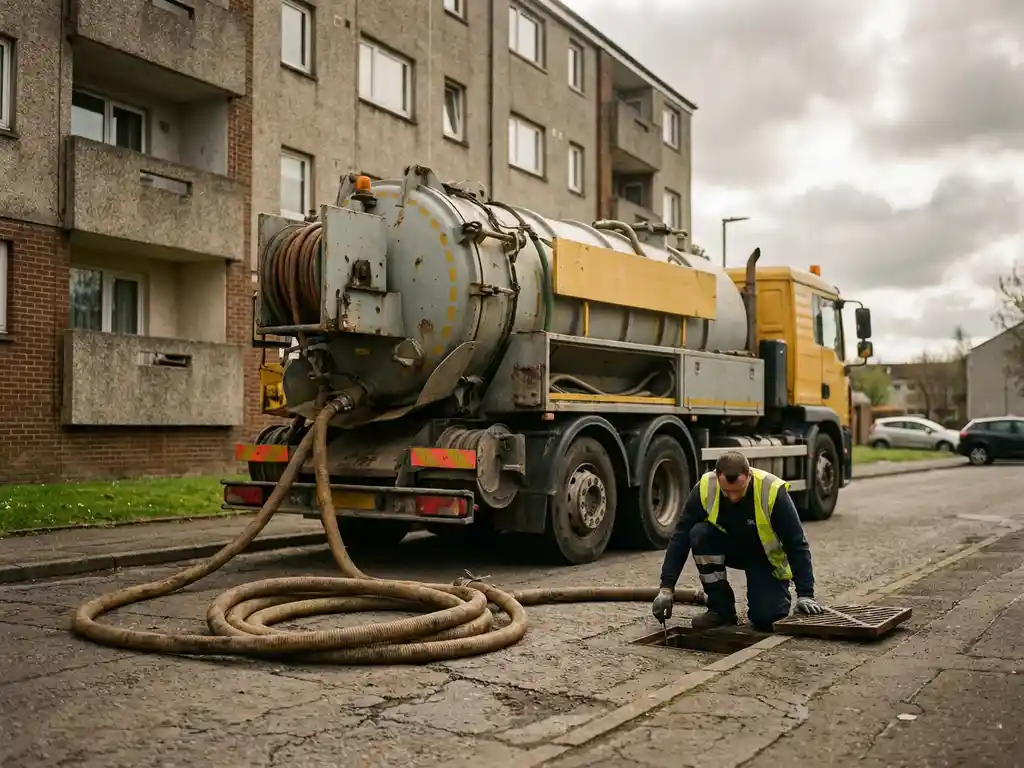
We offer comprehensive plumbing services around the clock for both emergency repairs and planned installations. Our qualified plumbers handle everything from water leaks and blocked drains to the installation of new components throughout Sweden.
Our plumbing services include:
- Emergency repairs for leaks and drainage problems with 24/7 availability
- Installation of toilet seats, mixers, and shower mixers at a fixed price
- Professional dismantling and recycling of old components
- Local expertise with knowledge of the specific building conditions in the area
- Quality assurance and follow-up of all work performed
Med vårt rikstäckande nätverk av lokala tekniker säkerställer vi kort responstid och träffsäker service. Ring 020 74 24 70 för akut hjälp eller boka online för planerade VVS-arbeten. Vi gör det enkelt för dig att få rätt hjälp när du behöver den.
Frequently asked questions
How long does it usually take to complete a plumbing repair compared to an installation?
Plumbing repairs usually take 1-3 hours to complete, while installations often require 2-6 hours depending on the complexity. Installing a toilet seat takes about 2-3 hours, while repairing a leaky faucet can often be done within an hour. More extensive installations, such as replacing multiple components, may require a full day's work.
Can I decide for myself whether my plumbing problem requires repair or installation?
Yes, by assessing the age of the component and the extent of the problem, you can often make an initial assessment. If the component is less than 10 years old and the problem is isolated (such as a leaking gasket), repair is often sufficient. In the case of recurring problems, components older than 15 years, or visible cracks/corrosion, replacement is usually necessary.
What tools and materials are included when I order plumbing installation from 24 Center?
We bring all the necessary tools, materials, and components for the installation. This includes new components, gaskets, connections, and special tools. You don't need to buy anything yourself—our fixed price includes both labor and materials. We also take care of dismantling and recycling old components.
What happens if a repair does not permanently solve the problem?
If a repair does not provide a long-term solution, we will discuss alternatives with you, including the installation of new components. Our technicians will assess the situation and give you an honest recommendation on whether it is more cost-effective to install new components. We offer a warranty on our repairs and will take follow-up action if the problem recurs within the warranty period.
How do I prepare my home for a planned plumbing installation?
Clear the area around the component to be installed and ensure that the technician has free access to the water shut-off valves. Remove any valuables from the bathroom and have towels available for any minor water spills. We will inform you of any specific preparations when you book, but in most cases, you will not need to do much more than create a workspace.
Are there any plumbing problems that always require installation rather than repair?
Yes, some problems always require installation. This includes cracked toilets or sinks, corroded pipes that leak in several places, and components with internal damage that cannot be repaired. Even when you want to upgrade to more modern, energy-efficient solutions or change the design, installation of new components is required.
How long is the warranty on plumbing repairs and installations?
We offer different warranty periods depending on the type of work. Repairs usually come with a 6-month warranty on the work performed, while installations often come with a 12-month warranty. New components also come with the manufacturer's warranty. We always follow up if problems arise within the warranty period and rectify any faults at no extra cost.