
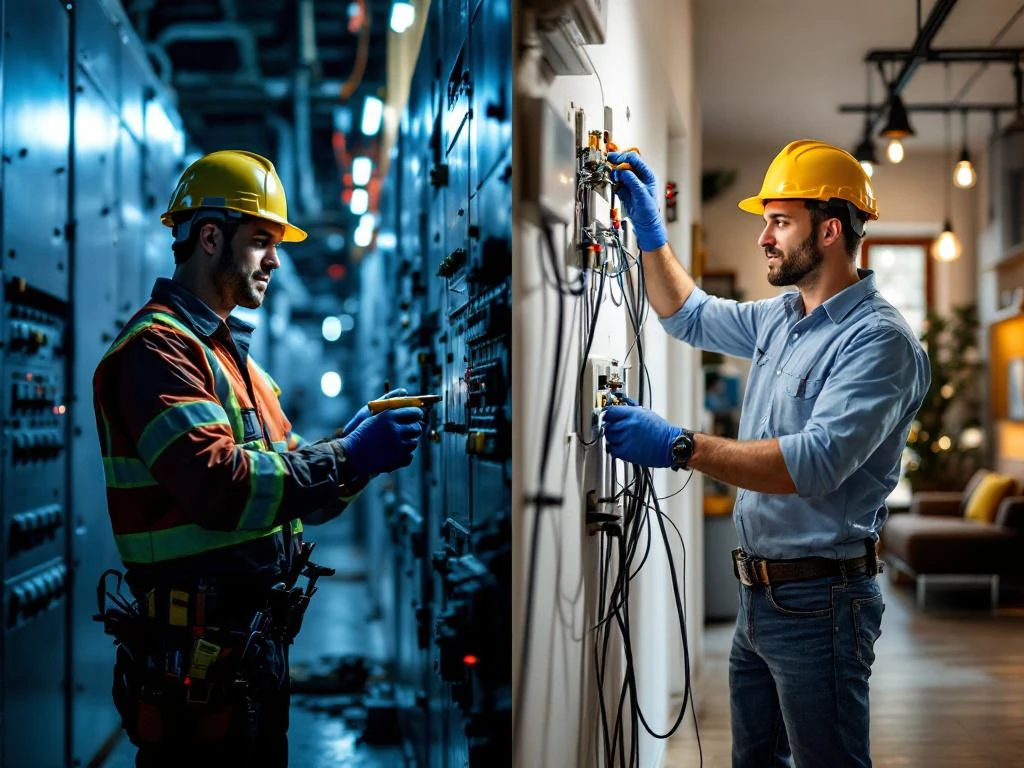
Many people use the terms electrician and electrical fitter interchangeably, but there are important differences between these professions within the electrical industry. An electrician is a broader job title that encompasses anyone who works with electrical installations and electrical safety, while an electrical fitter focuses specifically on the assembly and installation of electrical equipment. Both professions require different levels of education and have different areas of responsibility in practice.
What is the difference between an electrician and an electrical installer?
An electrician has broad authority to perform all types of electrical work, from planning to installation and troubleshooting of electrical systems. An electrical fitter works primarily with the installation of electrical equipment according to finished drawings and instructions. The difference between an electrician and an electrical fitter lies in their areas of responsibility and decision-making authority.
Electricians often work independently and can make decisions about how electrical installations should be carried out. They are responsible for ensuring that all work complies with applicable safety regulations and building standards. A qualified electrician can also approve and sign off on their own installations.
Electrical fitters focus on the practical installation of components such as cabling, appliances, and equipment. They usually work under the supervision of an electrician or according to detailed work descriptions. Electrical fitters have in-depth knowledge of installation techniques but limited decision-making authority regarding system design.
What training is required to become an electrician or electrical installer?
Training to become an electrician requires three years of upper secondary education in the electricity and energy program, followed by vocational college or apprenticeship training. After completing the training, practical experience is required to obtain certification as an authorized electrical installer. The process takes a total of 4–6 years.
To become an electrician, you need to complete the electrical and energy program at high school, which provides basic knowledge in electrical engineering, safety, and installation. After that, further training is required at a vocational college or through an apprenticeship at an established electrical company.
The final qualification as an authorized electrical installer is obtained from the Electrical Safety Authority after documented practical experience. This qualification gives the right to perform and approve your own installations.
You can become an electrician through short vocational training courses or practical training in the workplace. Many electricians have upper secondary education in the electrical and energy program but do not need full qualifications as an electrical installer. The training period is usually 1–3 years.
What are the duties of an electrician compared to an electrical installer?
Electricians handle the planning, installation, troubleshooting, and maintenance of complete electrical systems. Electrical installers' tasks focus on the practical installation of components, cabling, and equipment according to given specifications. Electricians have broader responsibilities, while electrical installers specialize in installation work.
Typical tasks for electricians include:
- Planning and design of electrical installations
- Installation of main control panels and distribution boards
- Troubleshooting in complex electrical systems
- Safety inspections and checks
- Installation of smart home systems and security technology
Electricians primarily work with:
- Installation of cabling and wiring
- Installation of sockets, switches, and light fixtures
- Mechanical assembly of electrical cabinets and components
- Assistance with major installation projects
- Maintenance and servicing of existing equipment
How does the salary differ between electricians and electrical fitters?
Electricians generally have higher salaries than electrical fitters due to greater responsibility and higher qualification requirements. An electrician earns an average of SEK 35,000–45,000 per month, while electrical fitters earn SEK 28,000–38,000 per month. Salaries are affected by experience, specialization, and geographical location.
Factors affecting salary trends in the electrical industry include specialization in areas such as automation, security technology, or renewable energy. Electricians with qualifications for complex installations and project management often achieve higher salary levels.
Geographical differences also play a role, with metropolitan areas generally offering higher salaries but also higher living costs. Many electrical engineers choose to start their own businesses, which can provide significantly higher incomes but also greater responsibility.
Career opportunities are good in both professions, with strong demand for skilled workers. Electricians often have better opportunities for project management and specialization, while electrical installers can develop expert knowledge in specific areas of installation.
How 24 Center assists with electrical installations and safety
At 24 Center, we offer professional electrical services around the clock, with a focus on electrical safety and advanced security systems. Our qualified electricians handle everything from emergency electrical faults to the installation of smart locking systems and electronic security systems.
Our electrical services include:
- Installation of electrical locking and alarm systems
- Access control and security technology solutions
- Emergency troubleshooting and fuse replacement
- Smart locking technologies and home security
- Electrical installations for building services systems
With our local focus and extensive network, we are available throughout Sweden. Our technicians have in-depth knowledge of the local building stock and can quickly find accurate solutions for your electrical needs.
Kontakta oss på 020 74 24 70 för omedelbar hjälp med elektriska problem eller boka online för planerade installationer av säkerhetssystem och elinstallationer.
Frequently asked questions
Can an electrician work independently or do they always need supervision?
An experienced electrician can perform many tasks independently, especially routine assembly and installation according to established procedures. However, supervision by a qualified electrician is required for complex installations and when it comes to approving safety-critical work. Over time, many electricians develop independence within their areas of expertise.
What tools and equipment do I need to get started as an electrician?
Basic tools include insulated screwdrivers, wire cutters, stripping tools, multimeters, and voltage testers. You will also need safety equipment such as protective gloves, safety glasses, and work boots. Many employers provide special tools, but having your own basic equipment is highly valued and costs around SEK 5,000-10,000.
How long does it take to retrain from electrician to electrician?
If you already work as an electrician, further training to become a certified electrician can take 2-4 years, depending on your current educational background. You will need to supplement your education with theoretical training at a vocational college or through an apprenticeship, followed by practical experience to obtain certification from the Swedish Electrical Safety Authority. Many electricians study part-time while working.
What safety risks should beginners in the electrical industry be aware of?
The greatest risks are electric shock, short circuits, and fire. Always ensure that the power is turned off and measure the voltage before starting work. Always use insulated tools and appropriate protective equipment. Never work alone with high voltage and always follow LOTO (Lock Out Tag Out) procedures. Thorough safety training is essential before practical work.
Are there any specialization opportunities within the electrical installation profession that can increase your salary?
Yes, specialization in automation, security technology, solar energy, or smart home systems can significantly increase both salary and career opportunities. Electricians who develop expertise in fiber optics, fire alarms, or access control systems are in particularly high demand. Certifications in specific products or systems from manufacturers such as ABB, Schneider Electric, or Axis can increase market value.
How will digitalization affect the future of electricians and electrical installers?
Digitalization creates new opportunities rather than threats for the electrical industry. Smart homes, IoT devices, and energy-efficient systems require new skills in programming and network technology. Both electricians and electrical installers need continuous training in digital technology. Those who adapt early to these trends will gain competitive advantages and higher salaries.
What should I consider when choosing between hiring an electrician or an electrical contractor for my project?
For complex installations, planning, or work that requires approval, you will need a qualified electrician. For simpler assembly work, cable installations, or maintenance, an experienced electrician is often sufficient, which can be more cost-effective. Always check that the person has the right qualifications for your specific project and that the work is carried out in accordance with applicable safety regulations.


