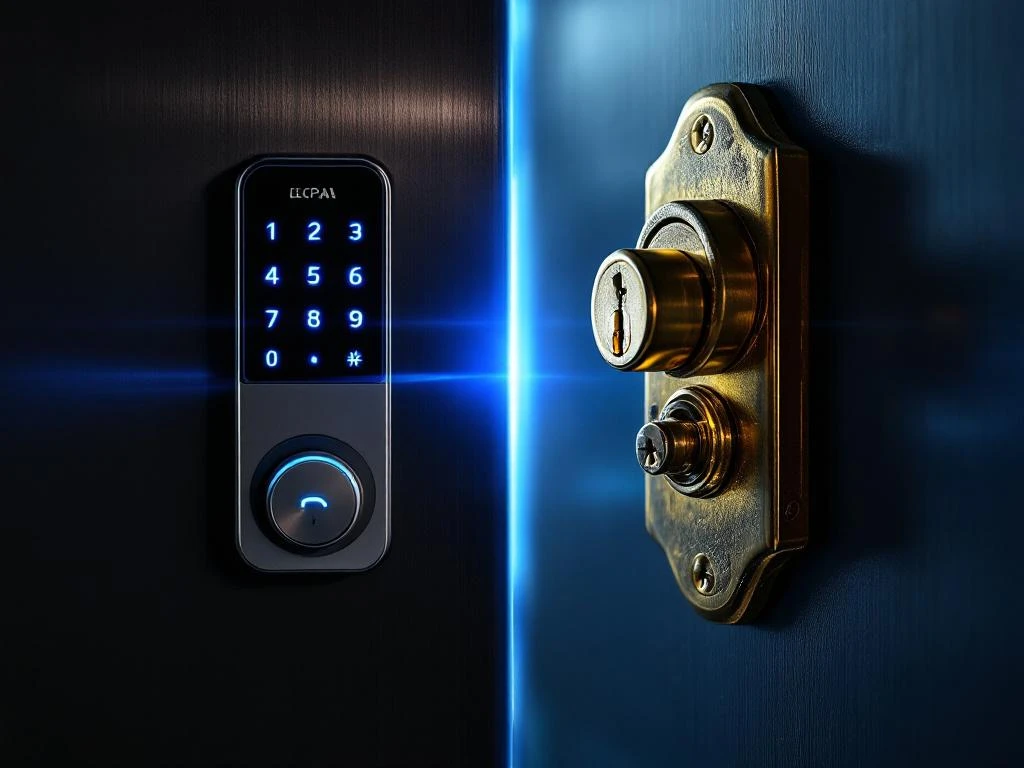
The difference between electric and mechanical locks lies in how they work and are controlled. Electric locks use electricity and are opened with codes, cards, or remote controls, while mechanical locks operate with physical keys and entirely mechanical components. Electric lock systems offer more advanced features such as logging and remote control, while mechanical locks are simpler, more affordable, and operate without electricity. The choice between the two types of locks depends on your security needs, your budget, and your technical capabilities.
What is the difference between electric and mechanical locks?
Electric locks are powered by electricity and controlled electronically via codes, magnetic cards, remote controls, or smartphone apps. They contain electronic components such as motors, sensors, and a control unit that manages locking and unlocking. Mechanical locks operate entirely without electricity, using physical components such as cylinders, pins, and springs that are activated by traditional keys.
The fundamental difference lies in their complexity and functionality. Electronic locking systems can be programmed with different access levels, time restrictions, and user codes. They can also be integrated with other security systems, such as alarms and cameras. Mechanical locks have a simple function—they are opened with the correct key and locked manually or automatically when the door closes.
Security features also differ. Electric locks may have backup functions in the event of a power outage, while mechanical locks always work regardless of power availability. Both types of locks are available in various security classes and can provide high security when selected and installed correctly.
What are the advantages of electric locks compared to mechanical ones?
Electric locks offer significantly greater flexibility and convenience than traditional mechanical locks. You can change access codes without replacing the entire lock, provide temporary codes to guests or contractors, and control the lock remotely via your smartphone. This eliminates the need for physical keys that can be lost or copied without your knowledge.
The logging feature is a major advantage—you can see exactly when someone has unlocked the door and with which code. This is particularly useful for businesses or families who want to keep track of who comes and goes. Many electric locks can also be integrated with existing alarm systems to create a comprehensive security solution.
Time-based access control is another practical feature. You can program the lock to automatically lock after a certain amount of time or to allow access only during specific hours of the day. For families with children coming home from school, this is a secure solution that eliminates the risk of lost keys.
When should you choose mechanical locks instead of electronic ones?
Mechanical locks are the best choice when simplicity, low cost, and independence from electricity are your top priorities. They work exceptionally well in environments without a power supply, such as outdoor gates, garages, or summer cottages. Mechanical locks also withstand extreme weather conditions better and require minimal maintenance over time.
The budget aspect is important—mechanical locks cost significantly less to both purchase and install. They require no power source, wiring, or complicated programming. For basic security needs where advanced features aren’t necessary, mechanical locks are often the most economical choice.
Reliability is another advantage. Mechanical locks have fewer components that can break and are not affected by power outages, electronic interference, or dead batteries. For critical applications where the lock must function under all circumstances, mechanical locks may be more suitable than electronic alternatives.
How much does it cost to install electric and mechanical locks, respectively?
The cost of mechanical locks ranges from 1,000 to 5,000 kronor, including installation, depending on the security class and brand. Electric locks typically cost between 3,000 and 15,000 kronor, including installation, with the price influenced by features such as remote control, integration with alarm systems, and security level.
Installation costs vary significantly. Mechanical locks can often be installed directly into existing doors without major modifications. Electric locks may require wiring, a power supply, and sometimes changes to the door structure, which increases the installation cost.
Running costs must also be taken into account. Electric locks consume electricity and may require battery replacement or maintenance of electronic components. Mechanical locks have virtually no running costs other than occasional lubrication or adjustment of the mechanism. In the long term, this can significantly affect the total cost.
What security features distinguish electric locks from mechanical ones?
The level of security depends more on the quality of the lock than on whether it is electric or mechanical. Both types are available in various security classes, ranging from basic to very high security. Mechanical locks can be broken through lock picking, drilling, or forced entry, while electric locks may be vulnerable to electronic attacks or code cracking.
Electric locks have the advantage of being able to log attempted break-ins and send alerts in the event of suspicious activity. They may also have built-in time delays that are activated after several incorrect code attempts. Mechanical locks do not provide such alerts, but on the other hand, they are not vulnerable to cyberattacks or electronic tampering.
Backup solutions are essential for electric locks. Most high-quality locks feature mechanical emergency keys or battery backup that works during power outages. Certifications such as SS 3522 for mechanical locks and EN 15684 for electric locks ensure that the products meet Swedish security standards and have been tested against various intrusion methods.
How 24 Center Can Help You Choose and Install a Locking System
At 24 Center, we offer comprehensive expert assistance for both electrical and mechanical locking systems 24 hours a day, 365 days a year. Our qualified technicians have extensive knowledge of all types of locking technology—from traditional ASSA locks to the latest smart security solutions.
Our lock system services include:
- Home Security Consultation and Needs Assessment
- Professional installation of both electrical and mechanical locks
- Integration with existing alarm systems and access control
- Emergency locksmith service for lockouts or lock malfunctions
- Regular maintenance and servicing of locking systems
- Upgrade from mechanical to electric locks
Our electricians handle all the wiring and power supply work required for electronic locking systems. We use high-quality products and adhere to all safety standards to ensure long-term reliability and safety.
Ring 020 74 24 70 för omedelbar rådgivning och hjälp vid akuta låsproblem, eller boka ett konsultationsbesök online för planerade låsuppgraderingar. Vi hjälper dig att välja rätt låslösning baserat på dina specifika säkerhetsbehov och din budget.
Frequently asked questions
Can I upgrade my existing mechanical lock to an electric one without replacing the entire door?
Yes, in most cases you can upgrade to an electric lock without replacing the door. Many electric locks are designed to fit standard dimensions, but you may need to modify the door frame to accommodate wiring and power supply. A technician can assess your specific situation and recommend the best solution.
What happens if the battery in my electric lock runs out?
Most electric locks have low-battery warnings that alert you in advance. If the battery is completely dead, high-quality locks usually come with an emergency key or an external battery connection for emergency access. Some models can also be opened using a 9V battery connector on the outside of the lock.
How often do I need to change the code on my electric lock for optimal security?
For maximum security, you should change the master code every 3–6 months, and immediately after an employee leaves or when temporary codes have been used. Many electronic locks allow you to have multiple active codes at the same time, so you can rotate between them without disrupting daily use.
Can electronic locks be hacked or tampered with?
High-quality electronic locks with modern encryption protocols are very difficult to hack. Choose locks with rolling codes, strong encryption, and certification in accordance with Swedish security standards. Avoid cheap locks without security certification, and update the firmware regularly if the lock supports it.
Which lock is best suited for my summer cottage, which doesn't have electricity?
For summer cottages without electricity, we recommend high-security mechanical locks or battery-powered electric locks with long battery life. Battery-powered locks offer the benefits of code-based access without the need for wiring, while mechanical locks are completely independent of power sources and are better able to withstand extreme weather conditions.
How do I know what security rating I need for my lock?
The security class depends on what you want to protect and the level of risk. For standard homes, SS 3522 Class 3 is sufficient, while valuable assets or businesses may require Class 4–5. A security consultation can help you assess your specific needs based on location, valuables, and potential threats.
Can I install an electric lock myself, or do I need a technician?
Battery-powered electric locks can often be installed by yourself if you have basic tooling skills, but locks that require wiring or integration with an alarm system should be installed by a qualified technician. Improper installation can affect both security and the warranty.