
You should replace old water pipes when they are 40–60 years old or show clear signs of wear, such as rusty water, low water pressure, or leaks. Copper pipes last the longest, while steel pipes need to be replaced sooner. The timing depends on the type of pipe, water quality, and maintenance history. Good planning and proper timing minimize disruption to everyday life.
How long do different types of water pipes last?
Copper pipes last 50–70 years, steel pipes 20–50 years, while modern PEX pipes are expected to last 50+ years. Old lead pipes from before the 1950s should be replaced immediately regardless of their condition due to health risks.
Several factors other than age affect service life. Water quality plays a major role—hard water with high calcium content can shorten the service life of pipes due to corrosion and deposits. The pH value of the water also affects how aggressive it is toward the pipes.
The quality of the installation from the outset is just as important as the type of pipe. Poorly executed joints, incorrect slope of drain pipes, or insufficient insulation can cause problems long before the pipes reach their expected service life. Maintenance routines, such as regular flushing and pressure checks, also affect how long the water pipes last.
Modern technologies such as PEX pipes are more flexible and withstand temperature changes better than traditional materials. They are also less susceptible to frost damage, making them a popular choice when replacing water pipes.
What warning signs indicate that water pipes need to be replaced?
Rusty or discolored water, noticeably low water pressure, visible leaks, and unusual noises from the pipes are clear signs that the water pipes need to be replaced. High water bills without explanation can also indicate hidden leaks.
Water quality often provides the first warning signs. Brownish or reddish water indicates corrosion in the pipes, while a metallic taste or smell indicates that old water pipes are beginning to break down. Particles in the water may come from internal deposits that are coming loose.
Pressure problems are clearly noticeable in everyday life. If the shower pressure has gradually decreased or if it takes longer to fill containers with water, this may be due to blockages in the pipes. Uneven pressure between different taps in the house is also a warning sign.
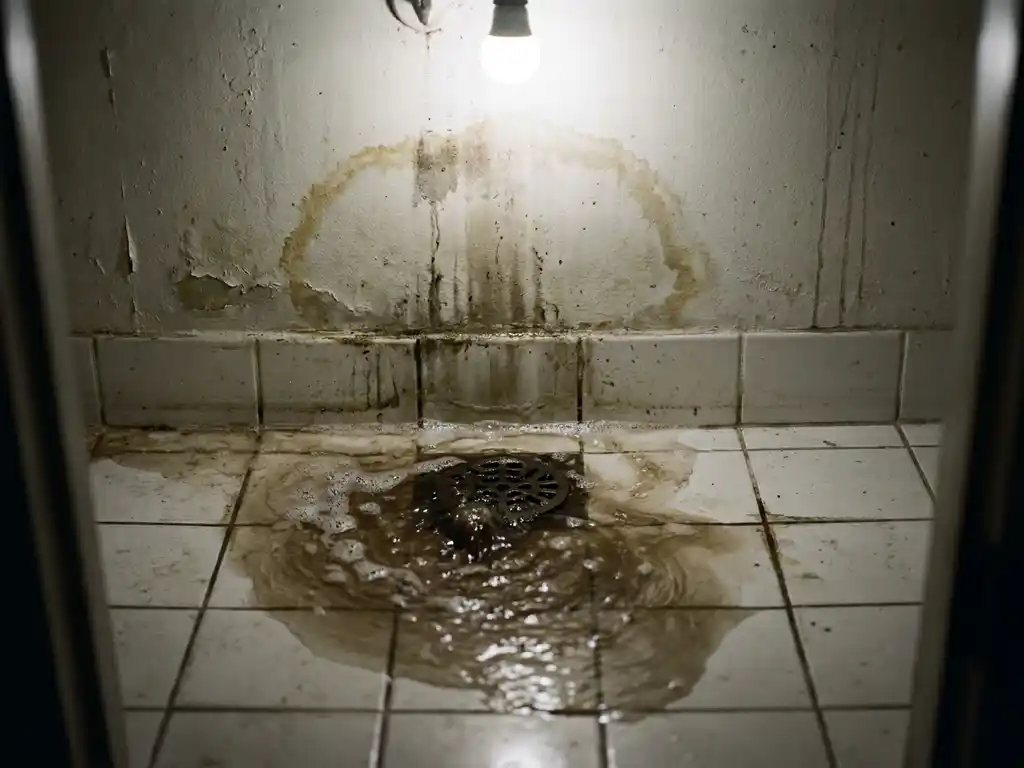
Hidden problems are more difficult to detect but equally important. Moisture stains on walls, mold, or dripping sounds behind walls may indicate leaks. Cold spots on floors or walls may also indicate water leaks that require renovation of the pipes.
Noises from the pipes, such as hammering, whistling, or bubbling, are signs of pressure problems or air pockets, which may be due to age-related changes in the system.
What does it cost to replace old water pipes?
The costs vary between SEK 15,000 and SEK 80,000 depending on the size of the house, the type of pipes, accessibility, and the scope of the work. A partial replacement costs less, but a complete renovation provides better long-term value.
Several factors affect the price of water installation. The type of pipe plays a major role—copper pipes are more expensive than PEX pipes, but both have their advantages. Labor costs often make up the largest part of the total cost, especially if the pipes are difficult to access behind walls or under floors.
The scope of the work has a significant impact on the price. A complete replacement of all water pipes often requires the demolition of walls and floors, while a partial replacement of visible pipes costs considerably less. Permits from the municipality may be required for major renovations, which entails additional costs.
Unforeseen costs may arise when old installations are exposed. Old asbestos, rotten beams, or the need to update the entire plumbing system can increase the final bill. It is therefore important to have a thorough inspection before work begins.
In the long term, a complete renovation is often more economical than patching and repairing. New pipes reduce the risk of future leaks and high repair costs.
How do you plan a water pipe replacement without disrupting everyday life?
Plan the work in stages, arrange temporary water supply, and prepare the house by moving furniture and protecting belongings. Communicate the schedule with your family and plan alternatives for food and hygiene.
Time planning is crucial to minimize disruption. Start with less critical areas, such as basements or garages, and save kitchens and bathrooms for last when you have learned the routines. Plan the work during periods when the family can be away, such as during vacations or weekends.
Temporary solutions make everyday life manageable. Install temporary water hoses to important points, arrange for extra water storage in containers, and plan meals that require minimal water use. Inform neighbors about possible disruptions and, if necessary, ask for access to their toilet in emergency situations.
Preparing your home saves time and reduces damage. Cover furniture with plastic, move valuables away from work areas, and make sure you have a vacuum cleaner and cleaning supplies available. Document the condition of pipes and connections before work begins.
Communication with everyone in the household is important. Create a clear schedule, explain when the water will be turned off, and have backup plans for important activities such as showering and cooking.
How 24 Center assists with water pipe renovation
At 24 Center, we offer comprehensive plumbing services for water pipe renovation, from emergency leak repairs to planned renovations. Our qualified plumbers work around the clock to solve both urgent problems and larger installation projects.
Our water pipe replacement services include:
- Emergency leak measures and emergency repairs
- Complete renovation of water pipes
- Partial update of old pipe installations
- Installation of modern PEX and copper pipes
- Inspection and assessment of existing systems
- Planning for minimal disruption to daily routines
We understand that water pipe problems rarely occur at convenient times. That's why we offer round-the-clock service with a short response time. Our local technicians are familiar with Swedish buildings and can quickly identify the causes of problems and provide you with accurate solutions.
Kontakta oss på 020 74 24 70 för omedelbar hjälp vid akuta läckage, eller boka online för planerade vattenledningsrenoveringar. Vi gör det enkelt för dig att få professionell hjälp när du behöver den.
Frequently asked questions
Can I replace the water pipes myself, or do I need to hire a plumber?
You can do minor repairs such as replacing taps or short sections of pipe yourself if you have the right tools and knowledge. For larger renovations, work on main pipes, or when you need to shut off the water supply to the entire house, it is strongly recommended that you hire a qualified plumber. This ensures that the work complies with building regulations and that warranties apply.
What permits are required to replace the water pipes in my house?
Minor repairs do not normally require a permit, but major renovations that affect the structure of the house may require a building permit from the municipality. Contact your municipality to clarify what applies to your specific project. The work must always be carried out in accordance with applicable plumbing regulations and may be subject to inspection.
How long does it take to replace all the water pipes in a house?
A complete water pipe renovation usually takes 1-3 weeks depending on the size and complexity of the house. Smaller houses can be completed in a week, while larger properties with complex installations may take longer. Partial replacements can often be done in a few days.
What happens if asbestos is found in the old pipes during renovation?
Asbestos in old water pipes requires special handling by certified asbestos removers. Work must be stopped immediately and handled in accordance with the Swedish Work Environment Authority's regulations. This entails additional costs and a longer schedule, but is necessary for safety reasons. Always let professionals handle asbestos removal.
Should I choose copper pipes or PEX pipes for my water pipe replacement?
Copper pipes are traditional and last the longest (50-70 years), but they cost more and require soldering. PEX pipes are cheaper, easier to install, more flexible, and more frost-resistant. For most modern renovations, PEX is an excellent choice that combines durability with cost-effectiveness.
How can I prepare my home for the water pipe renovation?
Move furniture away from work areas, cover remaining items with plastic, and arrange for extra water storage in containers. Plan alternative solutions for cooking and hygiene, inform the family about the schedule, and have cleaning supplies ready. Document existing installations with photos before work begins.
Are there ways to reduce the cost of replacing water pipes without compromising on quality?
Yes, plan the work during the off-season when plumbers have more time, compare quotes from several companies, and consider doing some of the preparation yourself, such as moving furniture. Choose PEX pipes instead of copper to save money, but never compromise on qualified labor for the installation itself.