When the circuit breaker trips constantly, it means the circuit breaker is tripping repeatedly to protect your home from electrical problems. This is a clear warning sign that something is wrong with the electrical system and requires immediate attention. Constant circuit breaker trips can be caused by overloads, short circuits, or faulty appliances, and you should never ignore this problem because it can lead to serious electrical safety hazards.
What does it mean when the fuse keeps blowing?
When a fuse trips continuously, it means that the fuse is doing its job by cutting off the power when it detects an electrical problem. It is normal for a fuse to trip occasionally under heavy load, but repeated tripping for no apparent reason indicates an underlying electrical fault.
Circuit breakers are designed to protect your electrical system and prevent fires by responding to overloads or short circuits. When a circuit breaker trips repeatedly, it is trying to warn you that something in the electrical system is not working properly. This could be anything from a faulty appliance to a problem with the electrical system itself.
The difference between normal and abnormal circuit breaker trips lies in the frequency and pattern. Normally, a circuit breaker may trip if you use too many high-power appliances at the same time. An abnormal trip occurs when the circuit breaker trips without you having made any changes to your electrical usage, or when it trips immediately after you reset it.
What are the most common reasons why fuses keep blowing?
Circuit overload is the most common cause of fuses blowing repeatedly. This happens when you connect too many appliances to the same circuit, causing the total power consumption to exceed the fuse’s capacity.
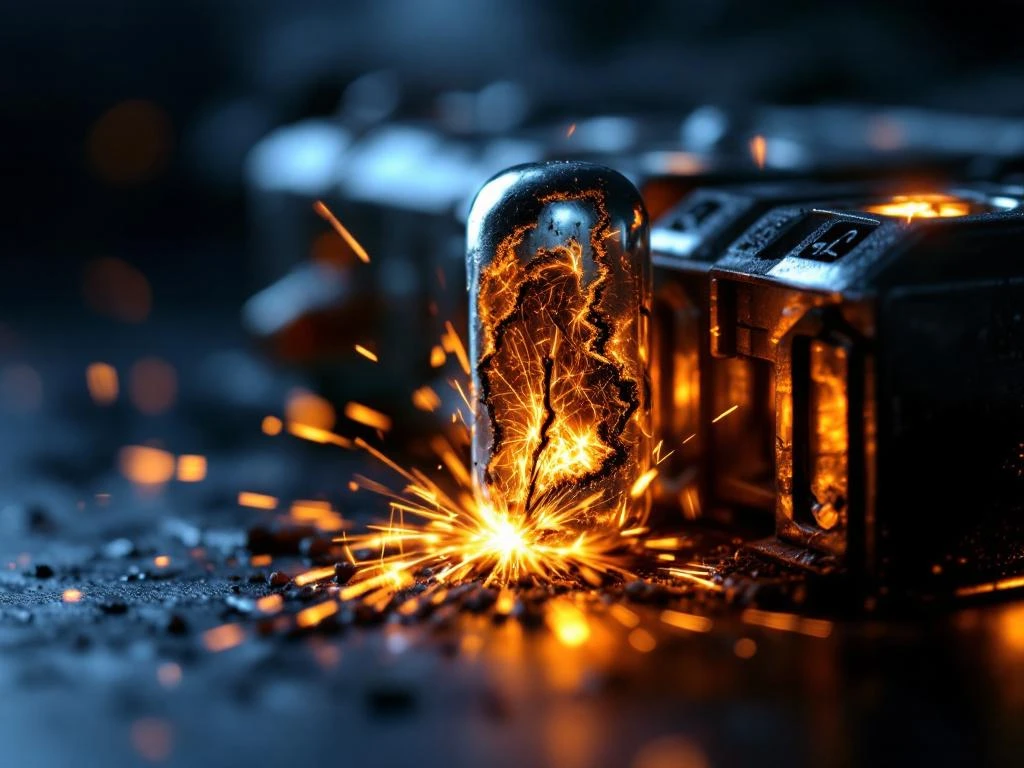
A short circuit occurs when electrical conductors come into contact with each other in a way they shouldn’t, creating a dangerous situation in which enormous amounts of current flow through the circuit. This causes the fuse to blow immediately to prevent overheating and fire.
Faulty electrical appliances can also cause fuses to blow repeatedly. When an appliance begins to draw more current than usual or develops internal electrical faults, the fuse system responds by cutting off the power. Moisture problems in electrical installations can cause short circuits and ground faults that trigger fuses to blow.
Old electrical installations with worn cables and components can develop intermittent faults that cause circuit breakers to trip erratically. Over time, insulation can deteriorate and connections can become loose, resulting in unreliable electrical connections.
How can you determine the cause of the security issues yourself?
Start by systematically unplugging all appliances from the affected circuit before turning the circuit breaker back on. If the circuit breaker stays on when nothing is plugged in, you’ll know that the problem lies with one of the appliances rather than with the electrical wiring itself.
Then plug in the appliances one at a time and test the circuit breaker after each one. When the circuit breaker trips, you have identified the faulty appliance. This method helps you quickly find the source of the problem without risking further damage.
Check the various circuits in the fuse box to see if the problem is limited to a specific fuse or affects multiple ones. Note when the fuse trips—does it happen at specific times of the day, when certain appliances are in use, or during weather changes such as rain?
Document the pattern of the trips. If the circuit breaker trips at the same time every day, this may indicate a timer-controlled device that has malfunctioned. If it trips during rainy weather, moisture may be the problem.
When should you contact an electrician for fuse problems?
Contact an electrician immediately if the circuit breaker trips as soon as you turn it on, even when no appliances are plugged in. This indicates a short circuit in the electrical system, which is a serious safety hazard that requires professional repair.
Other warning signs that require an electrician include a burning smell coming from the fuse box, sparks when operating circuit breakers, or if the fuse box feels hot to the touch. These symptoms may indicate dangerous electrical faults that could lead to a fire.
Never let amateurs work on the circuit breaker panel or electrical installations. Improper repairs can be life-threatening and void your home insurance. Electrical work requires both the right knowledge and the right tools to be performed safely.
If you suspect that the problem lies with the electrical wiring itself rather than with the appliances, it is important to seek professional help. Older homes with original electrical wiring often need to be upgraded to meet modern safety standards.
How 24 Center Can Help with Electrical Emergencies and Circuit Breaker Trips
We offer professional electrical services 24/7 for all types of electrical issues and emergency power outages. Our qualified electricians have expert knowledge in both basic electrical installations and advanced security systems, enabling us to resolve your problem quickly and safely.
Our electrical services include:
- Emergency troubleshooting of circuit breaker trips and electrical faults
- Replacement and Upgrade of Circuit Breaker Panels
- Repair of short circuits and ground faults
- Installation of modern security systems and electric locks
- Inspection and maintenance of electrical installations
With our local focus and extensive network of specialists, we can offer a quick response when you have urgent electrical issues. Our technicians are familiar with the local building stock and can quickly identify and resolve even complex electrical safety issues.
Ring 020 74 24 70 för omedelbar hjälp med säkringsproblem eller boka online för planerade elarbeten. Vi prioriterar din säkerhet och ser till att alla reparationer utförs enligt gällande elsäkerhetsstandarder.
Frequently asked questions
How long can I wait before fixing a fuse that keeps blowing?
You should never delay in addressing recurring fuse blowouts. This is an urgent safety hazard that can lead to fire or electrical accidents. Contact an electrician the same day the problem occurs, especially if the fuse blows even when no appliances are plugged in.
Can I replace it with a fuse rated for a higher amperage to fix the problem?
No, this is very dangerous and should never be done. Fuses are rated according to the capacity of the wiring. A higher-amp fuse can overload the wiring and cause a fire. The problem must be addressed at the source, not by increasing the fuse's rating.
How much does it cost, roughly, to have an electrician fix a fuse problem?
The cost varies depending on the complexity of the problem. Simple troubleshooting and repairs of faulty appliances often cost 1,500–3,000 SEK, while more extensive electrical work, such as replacing a circuit breaker panel or repairing wiring, can cost 5,000–15,000 SEK or more.
How can I prevent circuit breakers from tripping in the future?
Avoid overloading circuits by distributing power-hungry appliances across different circuit breakers. Have your electrical system inspected regularly, especially in older homes. Replace old appliances that are drawing more power than usual, and keep electrical installations dry.
What tools do I need for basic security management?
For safe handling, you’ll need a voltage tester to verify that the power is off, insulated tools, and a flashlight. Remember that more complex electrical work should always be performed by a licensed electrician for your safety.
Can weather conditions affect safety system activations?
Yes, moisture from rain or high humidity can seep into electrical systems and cause short circuits or ground faults. This is particularly common in older homes with poor insulation. If fuses blow during rainy weather, contact an electrician immediately.
Is it safe to reset the circuit breaker several times if it trips?
No, never reset a circuit breaker more than once if it trips for no apparent reason. Repeated attempts can make the problem worse and increase the risk of fire or electrical injury. Leave the circuit breaker off and contact an electrician instead.