You need to hire an electrician when safety issues arise, such as flickering lights, hot sockets or burning smells from electrical installations. Emergency situations such as power cuts, sparks or electric shocks require immediate professional help, while planned electrical work such as new installations can be booked in advance. According to Swedish electrical installation rules, homeowners are only allowed to carry out limited electrical work themselves.
What are the warning signs that you need an electrician?
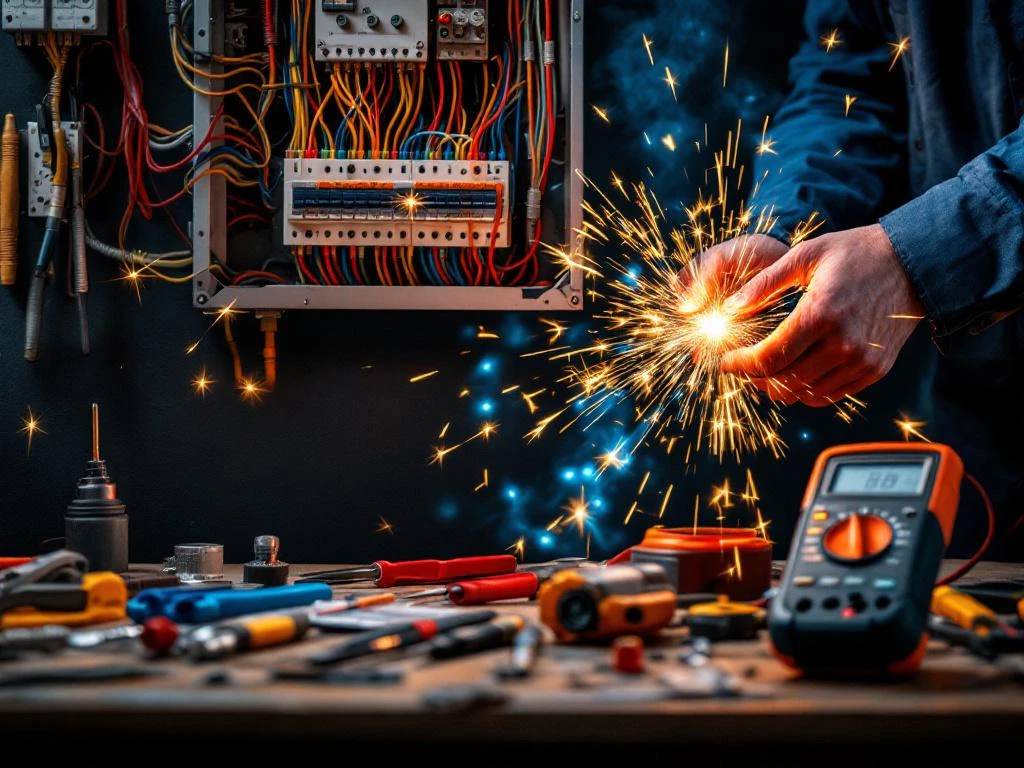
Flickering lights, hot electrical outlets and the smell of burning are clear signs that you need to contact an electrician immediately. Frequently blowing fuses, electric shocks from appliances and crackling noises from electrical outlets signal serious safety issues that can lead to fire or electrical accidents.
Other warning signs include malfunctioning electrical outlets, dimming lights when turning on major appliances, and visible burns around electrical outlets or switches. If you notice several lights flickering at the same time, it could indicate a problem with the main wiring or fuse box.
The temperature of electrical sockets is particularly important to check. Electrical outlets should never feel warm to the touch. Heat indicates overloading or poor contacts that could develop into a fire. Similarly, you should never ignore a burning smell from electrical installations, even if it is faint.
Old electrical installations from the 1960s or earlier should be inspected regularly. These systems rarely meet modern safety requirements and can develop dangerous faults without visible warning signals.
What is the difference between emergency and planned electrical work?
Emergency electrical work requires immediate assistance and includes power outages, sparks from electrical outlets, electric shock or fire in electrical installations. Planned electrical work includes new installations, electrical system upgrades, and routine maintenance that can be scheduled in advance without safety risk.
Emergencies that require an emergency electrician include total home blackouts, fumes from fuse boxes, or when you receive electric shocks from appliances. These problems can develop quickly and put you and your family at risk.
Planned projects such as installing new electrical sockets, upgrading fuse boxes or installing charging points for electric cars can be booked weeks in advance. These works often require planning permission or notification to local authorities.
The cost difference between emergency and planned electrical work is significant. On-call services usually cost 50-100% more than regular working hours. Scheduled work also gives you the opportunity to compare quotes from different electricians.
Seasonal maintenance such as checking outdoor lighting or heating systems should always be planned in advance. This prevents emergency problems and ensures that your electrical installations work safely all year round.
What electrical work can you do yourself and what do electricians need?
Swedish electrical installation rules allow homeowners to change fuses, lamps and connect appliances to existing sockets. Any work that involves rewiring, installing electrical outlets or changing fuse boxes requires a qualified electrician and inspection.
Permitted works for private individuals include the replacement of incandescent, fluorescent and LED lamps in existing luminaires. You are also allowed to connect appliances such as a dishwasher or washing machine to already installed sockets with the correct fuse.
Prohibited work without an electrical installation license includes installing new electrical outlets, running cables through walls, and any work on fuse boxes other than fuse replacement. The installation of bathroom lighting and outdoor electrical installations always requires a professional electrician.
Electrical safety is always the responsibility of the property owner, even if you carry out permitted work yourself. Incorrect installations can affect your home insurance cover and create safety risks.
Inspection is required for all new electrical installations and major modifications. Only authorized electricians may carry out and inspect this work. The cost of the inspection is usually included in the electrician's quote for major projects.
How to choose the right electrician for your project?
Always choose an authorized electrician with an F-tax certificate and a valid installation authorization certificate. Make sure the electrician is registered with the Swedish Electrical Safety Authority and has experience of your specific project. Always request written quotes from at least three different electricians to compare prices and scope.
Authorization from the Electrical Safety Authority guarantees that the electrician has the right training and insurance. You can check valid authorizations on the National Electrical Safety Board's website by searching by company name or organization number.
A professional quote should include a detailed description of the work, lists of materials, time required and total cost including VAT. Avoid electricians who only give verbal quotes or require full payment in advance.
References and previous work will give you insight into the quality and reliability of the electrician. Ask for contact details of previous customers and check company reviews online. Established electricians usually have years of experience and positive reviews.
ROT deductions can reduce your costs by up to 50% for work in existing homes. Check that the electrician can handle ROT deductions and has procedures for proper documentation of the work.
How 24 Center helps with electrical problems
We offer professional services 24 hours a day, 7 days a year, specializing in safety engineering solutions and electrical emergencies. Our licensed electricians handle everything from fuse replacements to advanced security systems and electric locks.
Our electrical services include:
- Emergency power failures and outages with immediate response
- Installation of security systems and electronic locks
- Access control and alarm systems for buildings
- Fuse replacements and electrical installations
- Inspection and certification of electrical work
With our local network of specialists, we are available throughout Sweden. Our technicians know the local building stock and can quickly identify and solve electrical problems specific to your area.
Our 24/7 service means you get help when you need it most, whatever time of day or day of the week. We understand that electrical problems rarely come at convenient times and can develop into safety hazards quickly.
Contact us on 08 40 24 240 for immediate help with emergency electrical problems, or visit 24center.se to book online for planned installations and safety upgrades. We make it easy for you to get professional electrical service when you need it.
Frequently asked questions
How much does it cost to hire an electrician for urgent problems compared to planned work?
Emergency services for electrical faults usually cost 50-100% more than regular working hours. An emergency call-out can cost €1,500-3,000 just for the call-out, while the same work during regular hours costs €800-1500. Scheduled work also allows you to compare quotes and get better prices.
What should I do immediately if I suspect an electrical fault in my home?
Turn off the main switch immediately if you see sparks, smell burning or receive electric shocks. Do not touch electrical outlets or appliances with wet hands. Call an electrician immediately and do not use the affected area until the fault is rectified. If there is a risk of fire, call 112 first.
Can I get ROT deductions for all types of electrical work?
The ROT deduction applies to repairs, maintenance and extensions to existing homes, but not to new construction. You can deduct the cost of labor (up to 50%) for electrical installations, but not for materials. Check that your electrician can handle ROT deductions and document the work correctly.
How often should I have an electrician inspect my electrical installations?
Electrical installations should be inspected every 10-15 years in modern homes, but older installations from the 1960s or earlier should be checked every 5-10 years. If you notice any warning signs such as flickering lights or hot sockets, have an electrician inspect the system immediately regardless of when the last check was done.
What happens if I carry out unauthorized electrical work myself?
Unauthorized electrical work can invalidate your home insurance in case of damage, and you risk fines from the Electrical Safety Authority. Incorrect installations can cause fires or electrical accidents. You'll also need to have a licensed electrician check and possibly redo the work, which often costs more than hiring an electrician from scratch.
How can I prevent electrical problems in my home?
Avoid overloading electrical outlets by not using too many power strips in the same outlet. Check regularly that sockets do not feel hot and that cables are not damaged. Proactively replace old electrical installations and have an electrician inspect the system regularly, especially in older properties.
What documents should an electrician provide after completing work?
An electrician must provide an installation certificate for all new installations, an inspection report for major work, and warranty documents for work carried out. For ROT deductions, you also need a correct invoice with itemized work costs. Keep all documents as they may be needed for insurance or future sale of the property.