An upgrade of the electrical installation is needed when you notice flickering lights, hot wall sockets, or fuses that trip frequently. Installations older than 30 years should be inspected regularly, while those over 50 years often require extensive renovation. Modern safety requirements include ground fault circuit interrupters and protective conductors that older systems lack. Costs range from $3,500 for partial upgrades to $12,000 for a total renovation of a typical home.
What warning signs indicate that the electrical installation needs to be upgraded?
Flashing lights, hot wall sockets, and fuses that trip frequently are clear signs that your electrical installation needs upgrading. Old junction boxes and poor performance of electrical appliances also indicate that the system can no longer meet today's electrical requirements.
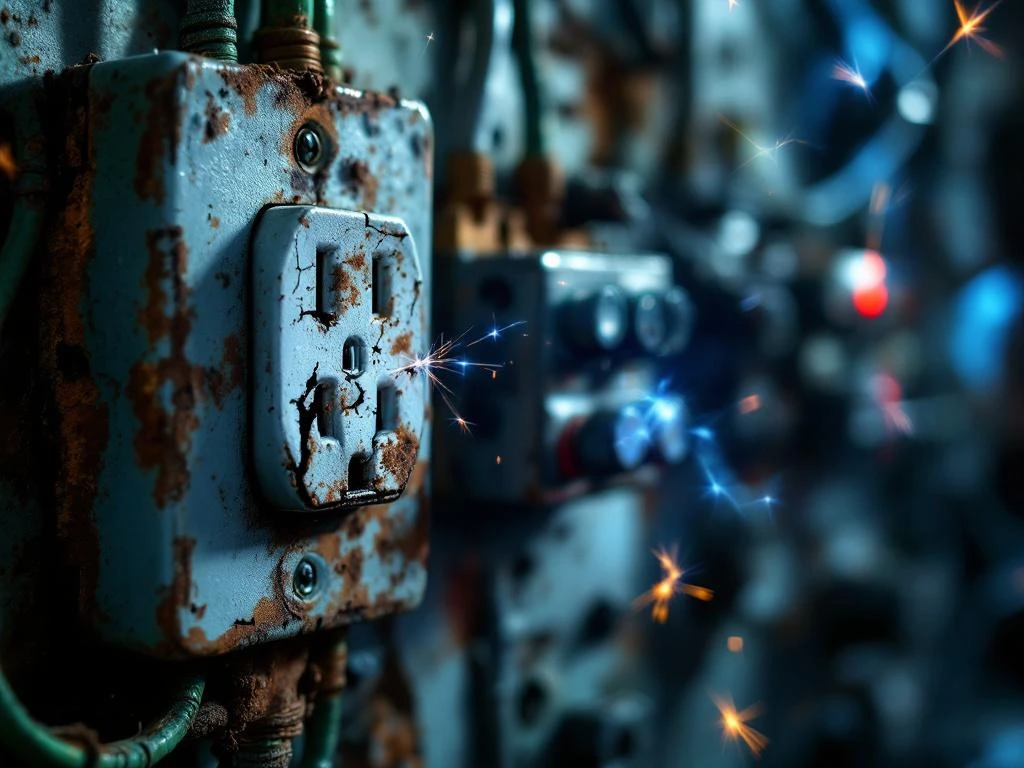
Flickering lights occur when electrical wiring cannot deliver a stable current, often due to poor connections or overload. Hot wall sockets are particularly dangerous as they can cause fires – check sockets regularly for abnormal heat.
Fuses that trip repeatedly signal that the system is protecting itself against overload. This happens when old wiring cannot cope with modern electrical demands such as dishwashers, washing machines, and electronics all running at the same time.
Other warning signs include:
- Electric shocks from appliances or switches
- Burning smell from electrical outlets or electrical cabinets
- Crackling noise from wall socket
- Dark spots around outlets and switches
- Devices that do not operate at full capacity
How old can an electrical installation be before it needs to be replaced?
Electrical installations from the 1970s and earlier should be replaced because they lack modern safety components and cannot cope with today's electricity consumption. Installations between 30 and 50 years old may need partial upgrading, while systems older than 50 years almost always require complete renovation.
Installations from the 1950s and 60s often use textile-insulated cables that become brittle and dangerous over time. These systems lack earth fault circuit breakers and have sockets without earth contact, which poses serious safety risks.
In the 1970s and 80s, better insulation and more fuses were introduced, but the capacity is rarely sufficient for modern homes. These installations can often be upgraded gradually instead of being replaced entirely.
Modern installations from the 1990s onwards have better safety standards but may still need to be supplemented with:
- More outlets for today's electronic needs
- High-power outlet for induction cooktop and electric car
- Updated earth fault circuit breakers
- Enhanced capacity for heat pumps
How much does it cost to upgrade the electrical installation in a home?
A partial upgrade of the electrical installation costs SEK 30,000–60,000, while a complete renovation of the electrical installation in a normal home costs SEK 80,000–150,000. The price is affected by the size of the house, the age of the installation, and the scope of the necessary changes.
Factors affecting the cost include access to electrical wiring, the number of rooms requiring new outlets, and whether the electrical panel needs to be replaced. Houses with plaster walls cost more to upgrade because they require more demolition and restoration work.
Typical costs for various jobs:
- Replacement of electrical cabinet: SEK 15,000–25,000
- New sockets and switches per room: SEK 3,000–8,000
- Installation of new wiring: SEK 200–400 per meter
- Installation of earth fault circuit breakers: SEK 2,000–4,000 per unit
- High-voltage outlet for stove: SEK 4,000–8,000
The ROT deduction reduces the cost by 50% for labor costs, making upgrades more affordable. Plan your budget with a 20% margin for unforeseen problems that may arise during the renovation.
What safety requirements apply to modern electrical installations?
Modern electrical installations require ground fault circuit interrupters, protective conductors, and fuses that can handle today's loads. All outlets must have ground connections, and the system must be able to handle at least 16 amps per circuit to meet current safety standards.
Ground fault circuit interrupters are mandatory in all wet areas and recommended throughout the home. They cut off power within milliseconds if they detect a leak, preventing electrical accidents and fires.
Protective conductors (ground wires) must be provided for all outlets and electrical appliances. This provides a safe path for fault current and allows the ground fault circuit interrupter to respond correctly in the event of a problem.
Modern security requirements also include:
- Automatic fuses instead of old plug fuses
- Separate circuits for kitchen, bathroom, and laundry room
- High-voltage circuits for stoves and other powerful appliances
- Fire-rated cables and components
- Labeling of all circuits in the electrical cabinet
Older installations often lack these safety components and do not meet today's electrical safety requirements in the home, making upgrading necessary.
How 24 Center assists with electrical installation upgrades
We offer professional electrical services around the clock for both emergency electrical problems and planned renovations of electrical installations. Our qualified electricians perform everything from safety inspections to complete installation upgrades with a focus on modern safety standards.
Our electrical services include:
- Free consultation and quote for electrical installation upgrades
- Installation of RCDs and modern fuse boxes
- Upgrading outlets and switches
- Installation of new electrical wiring and high-voltage circuits
- Safety inspection of existing installations
- 24/7 emergency service for electrical emergencies
As specialists in security technology, we combine traditional electrical installation maintenance with modern security solutions such as electronic locks and alarm systems. Our technicians have in-depth knowledge of both the challenges posed by older buildings and the latest security standards.
Kontakta oss på 020 74 24 70 för omedelbar hjälp med akuta elproblem eller boka en konsultation online för att diskutera din uppgradering av elinstallationen. Vi hjälper dig att skapa en säker och modern elinstallation som uppfyller alla krav.
Frequently asked questions
Can I do parts of the electrical upgrade myself to save money?
No, all electrical installation work must be carried out by a qualified electrician in accordance with Swedish law. Even simple tasks such as replacing sockets require authorization. Attempting to carry out electrical work yourself can be life-threatening and will invalidate your home insurance in the event of damage.
How long does it take to upgrade the electrical installation in an entire house?
A complete electrical upgrade usually takes 1-3 weeks depending on the size and complexity of the house. Partial upgrades such as replacing electrical cabinets can often be done in 1-2 days. During the work, the power will be turned off periodically, so plan for alternative solutions.
Do I need a building permit or notification to upgrade the electrical installation?
Building permits are not normally required for electrical upgrades, but all electrical installations must be reported to the Electrical Safety Authority and inspected by a qualified electrician. Your electrician will usually take care of the reporting and ensure that all requirements are met in accordance with applicable regulations.
What happens if I don't upgrade an old electrical installation?
Old electrical installations pose serious safety risks such as fire and electrical accidents. Home insurance may refuse compensation for damage caused by faulty electrical installations. In addition, you may encounter problems when selling your house, as buyers often require modern electrical systems.
Can I upgrade the electrical installation in stages, or does everything have to be done at once?
Step-by-step upgrades are often possible and can spread the costs over time. Start with the most critical items such as electrical cabinets and ground fault circuit interrupters, followed by wet areas and kitchens. Your electrician can create a prioritized plan based on safety and budget.
How do I prepare my home for an electrical upgrade?
Clear furniture away from walls where electrical work will be carried out and protect valuable items from dust. Make sure you have battery-powered lamps and charged devices, as the power will be turned off. Inform neighbors of any power outages if you share an electricity meter.
What guarantees do I get on a new electrical installation?
Professional electricians usually provide a 2-5 year warranty on their work and materials. Components such as electrical cabinets and earth fault circuit breakers often have longer manufacturer warranties. Keep all receipts and warranty documents for future service or warranty claims.