
Yes, a flushing truck can damage old sewer pipes if used incorrectly. High-pressure flushing with excessive pressure or incorrect technique can cause cracks or damage already weak pipes. Older pipes made of clay, concrete, or cast iron are particularly susceptible to damage. With the right precautions and professional assessment, a flushing truck can be used safely even on older sewer systems.
What is a flush truck and how does it work?
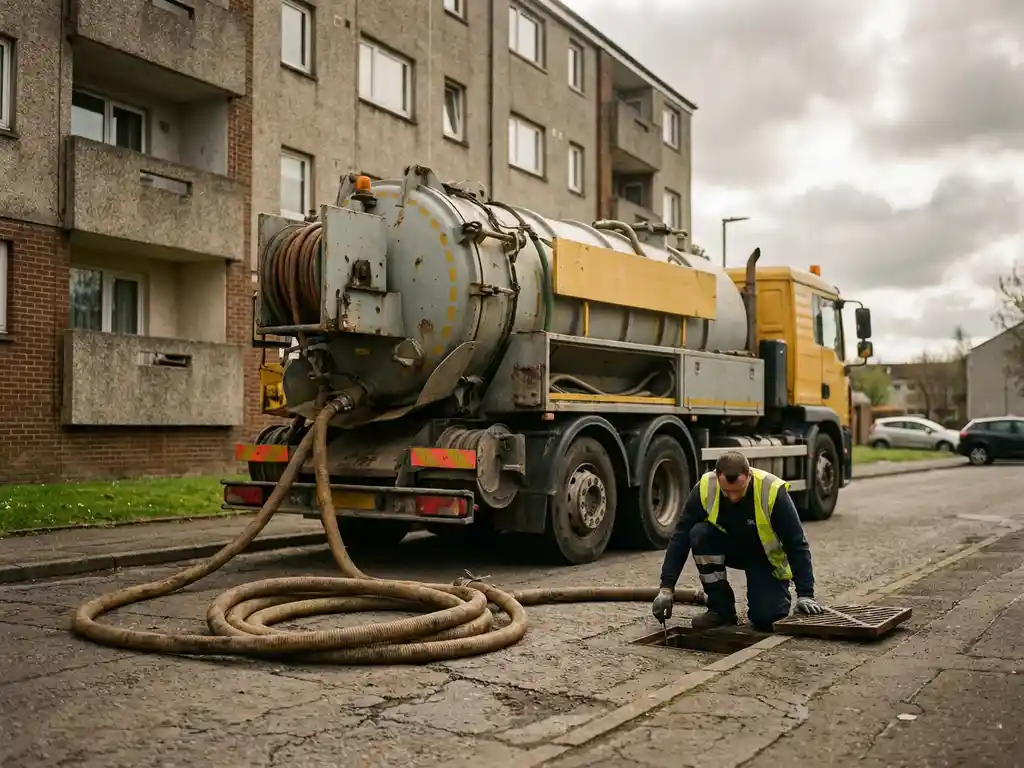
A flushing truck is a special vehicle equipped with high-pressure equipment that uses hot water and high pressure to clean sewer pipes. Hot water combined with high pressure is the most effective method for clearing blockages in sewers and is also environmentally friendly. The flushing truck works by sending powerful jets of water through the pipes, which loosen and flush away accumulations.
Modern flushing trucks can adjust the pressure depending on the type of pipe to be cleaned. Pressure levels typically range from 100–200 bar for sensitive older pipes up to 500 bar for robust modern systems. Professional flushing truck drivers always assess the condition of the pipe system before selecting the appropriate pressure level and cleaning method.
Flushing is used both for emergency drain blockages and for planned maintenance flushing. A main flush involves flushing the entire drainage system in the property, which helps to prevent future problems and keep the pipes in good condition.
Which types of sewer pipes are most susceptible to damage?
Older clay, concrete, and cast iron sewer pipes are most susceptible to damage from high-pressure flushing. Clay, which was common in buildings constructed before the 1960s, can crack easily under high pressure. Concrete pipes, often used between 1940 and 1980, become more brittle over time and can crack if the pressure is too high.
Cast iron pipes, which were used until the 1960s, are susceptible to corrosion and may have thin walls that cannot withstand high-pressure flushing. These materials weaken over time due to chemical processes, temperature changes, and ground movements, making them particularly susceptible to mechanical stress.
Modern plastic pipes made of PVC or PE are significantly more resistant to high-pressure flushing. They can withstand higher pressures and are less prone to cracking, which makes flushing safer on newer sewage systems. However, even these pipes can be damaged if they are installed incorrectly or already have weak spots.
How can damage be avoided when using a flushing truck on old pipes?
To avoid damage to old sewer pipes, always start with low pressure and gradually increase it if necessary. Professional plumbers always inspect the pipe system before flushing to assess the pipe material and its condition. A camera inspection can reveal existing cracks or weak points that make flushing risky.
Alternative methods for older pipes include mechanical cleaning with spirals or rotating cleaning tools, which are gentle on sensitive pipe materials. In the event of repeated blockages in drains and flooding, a thorough pipe inspection is recommended, where a flushing truck flushes the pipes clean at low pressure and the pipes are then inspected with a camera.
Important precautions:
- Never use the highest pressure setting on old pipes.
- Check the age and type of pipe material before flushing.
- Always start with the lowest possible pressure
- Monitor the cleaning process continuously
- Stop immediately if water leakage is detected
What warning signs indicate that sewer pipes may be damaged?
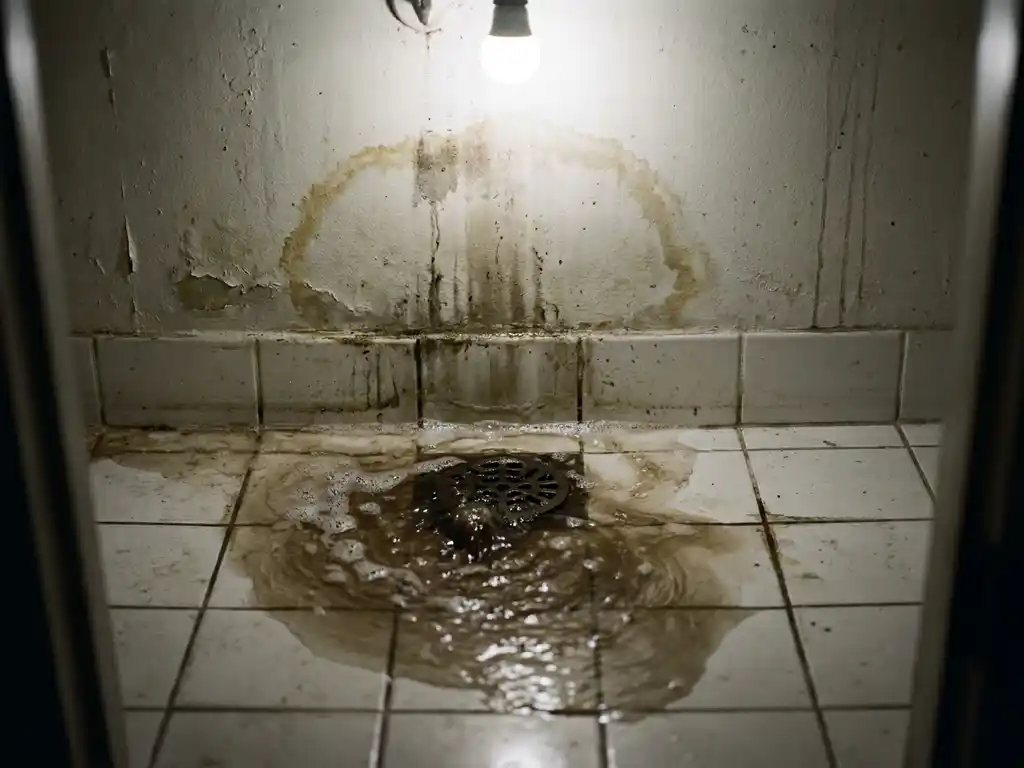
Recurring drain blockages, unpleasant odors from drains, and slow drainage are common signs that drain pipes may be damaged or in poor condition. Water leaks under the floor, moisture stains on walls or ceilings near drain pipes often indicate cracks or leaks that can be exacerbated by high-pressure flushing.
Other warning signs include bubbling noises from the drain when water is running, uneven water levels in different drains, and visible water coming up through floor drains. If you notice that drainage problems recur shortly after cleaning, this may indicate structural problems with the pipes.
If you experience these symptoms, you should seek professional help instead of attempting to flush:
- Visible cracks in pipes or joints
- Water leakage after previous flushing
- Pipes that are more than 50 years old
- Severe root intrusion into the sewer system
- Structural problems with the building's foundation
How 24 Center helps with drainage problems and safe pipe cleaning
We offer professional flushing truck services with on-call flushing truck drivers who are ready to help you around the clock. Our technicians have expert knowledge of all types of drainage systems and can quickly assess whether your pipes are suitable for high-pressure flushing or whether alternative methods are needed.
Our services for safe pipe cleaning include:
- Camera inspections prior to flushing to assess the condition of the pipes
- Pressure-adjusted flushing adapted to pipe material and age
- Mechanical cleaning for sensitive older pipes
- Emergency assistance in case of water leaks and flooding
- Planned maintenance to prevent future problems
När du behöver hjälp med avloppsproblem kan vi agera omedelbart och skicka en kunnig spolbil till platsen, i bästa fall redan inom 15 minuter. Ring 020 74 24 70 för akut hjälp eller boka ett besök online för mindre brådskande ärenden. Vi säkerställer att din rörrensning utförs säkert och effektivt, oavsett ålder på ditt avloppssystem.
Frequently asked questions
How do I know how old my sewer pipes are?
Check when your property was built – clay pipes were used before 1960, concrete between 1940 and 1980, and cast iron until the 1960s. You can also contact your local authority for building permit documents or have a plumber carry out a camera inspection to identify the pipe material.
How much does it cost to have a camera inspection done before flushing?
A camera inspection usually costs between $200 and $400, depending on the size and complexity of the drainage system. This is a worthwhile investment that can prevent costly pipe damage that can cost tens of thousands of dollars to repair.
Can I assess myself whether my pipes can withstand high-pressure flushing?
It is strongly recommended that you have a professional plumber make the assessment. Even experienced craftsmen can miss subtle signs of pipe damage that are only visible during camera inspection. Incorrect assessment can lead to costly water leaks and pipe breaks.
What happens if the flushing truck damages my pipes – who pays for the repairs?
Reputable drain cleaning companies have liability insurance that covers damage caused by improper handling. Always check that the company is insured before work begins. Document the condition of the pipes before flushing to avoid disputes about any damage.
How often should old sewer pipes be flushed for maintenance?
For older pipes, we recommend careful maintenance flushing at most 1-2 times per year at low pressure. Modern pipes can be flushed more often if needed. Excessive flushing can speed up the breakdown of old pipe materials, so focus on preventive measures instead.
What options are available if my pipes are too old for flushing?
Mechanical cleaning with spirals or rotating tools are gentle alternatives. For chronic problems, relining (internal pipe lining) or replacement of pipe sections may be necessary. Discuss long-term solutions with a plumber to avoid repeated emergency situations.
Can root intrusion into the sewer system increase the risk of damage during flushing?
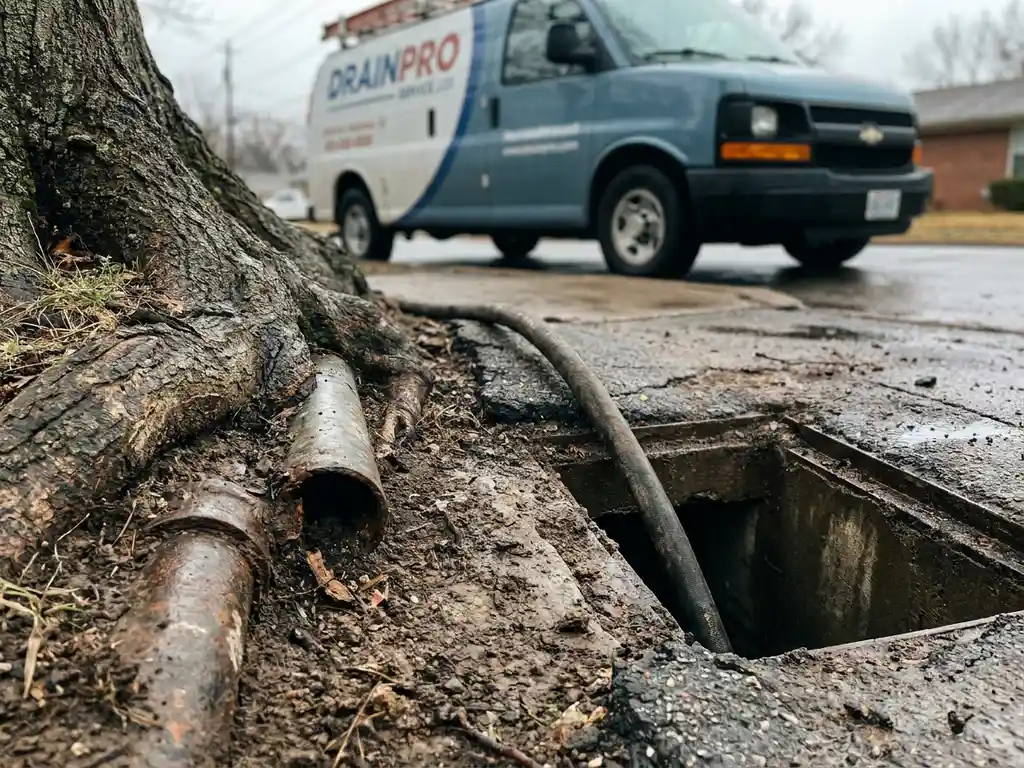
Yes, roots that have penetrated through cracks can exacerbate pipe damage during high-pressure flushing. The roots may have widened existing cracks, and vigorous flushing can cause further structural damage. Root intrusion should be treated with special tools before any flushing.