
Yes, you can do some plumbing installations yourself at home, but it's important to understand the difference between simple repairs and complex work that requires professional help. Basic tasks such as replacing taps, installing shower hoses and cleaning drains can often be done by yourself with the right tools and knowledge. More advanced work such as pipeline installations and gas connections should always be carried out by qualified plumbers for your safety.
What plumbing installations can you safely do yourself at home?
You can safely carry out several basic plumbing jobs yourself, including replacing faucets, installing shower hoses, cleaning drains and minor leakage measures. These tasks usually require only basic tools and involve minimal risk of damage to your home.
Simple home plumbing repairs that you can do yourself include:
- Replacing kitchen faucets and sink faucets
- Installing new shower hoses and shower handles
- Cleaning drains with plunger or drain cleaner
- Sealing minor leaks around taps with new gasket
- Adjusting the toilet flushing mechanism
- Changing the toilet seat and simple accessories
To do plumbing yourself safely, you need to turn off the water before you start working. Make sure you have the right tools and take the time to understand how the system works before you start the repair. These home plumbing tips will help you avoid common mistakes and get a good result.
When should you always hire a professional plumber?
You should always hire a professional plumber for complex plumbing work that affects water mains, gas installations, or the structure of the building. These works require specialized knowledge, certifications and pose significant safety risks if carried out incorrectly.
Situations when you should call plumbers include:
- Installation of new piping in walls or floors
- Works on water mains and service pipes
- Gas installations and gas-related repairs
- Major remodeling of a bathroom or kitchen
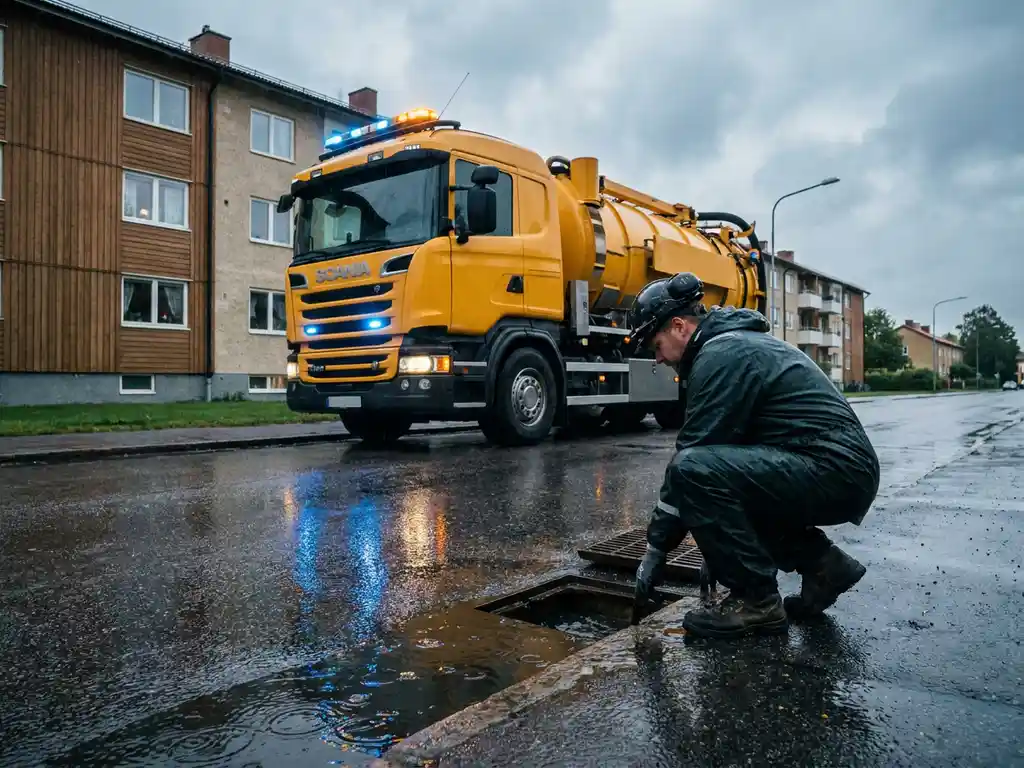
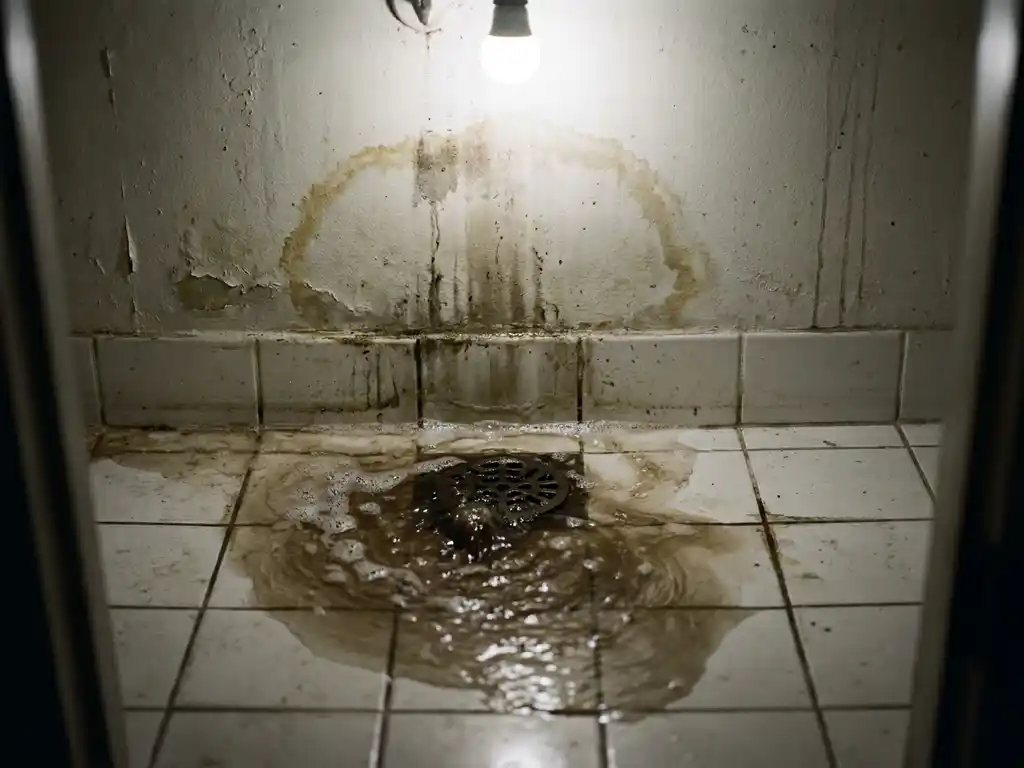
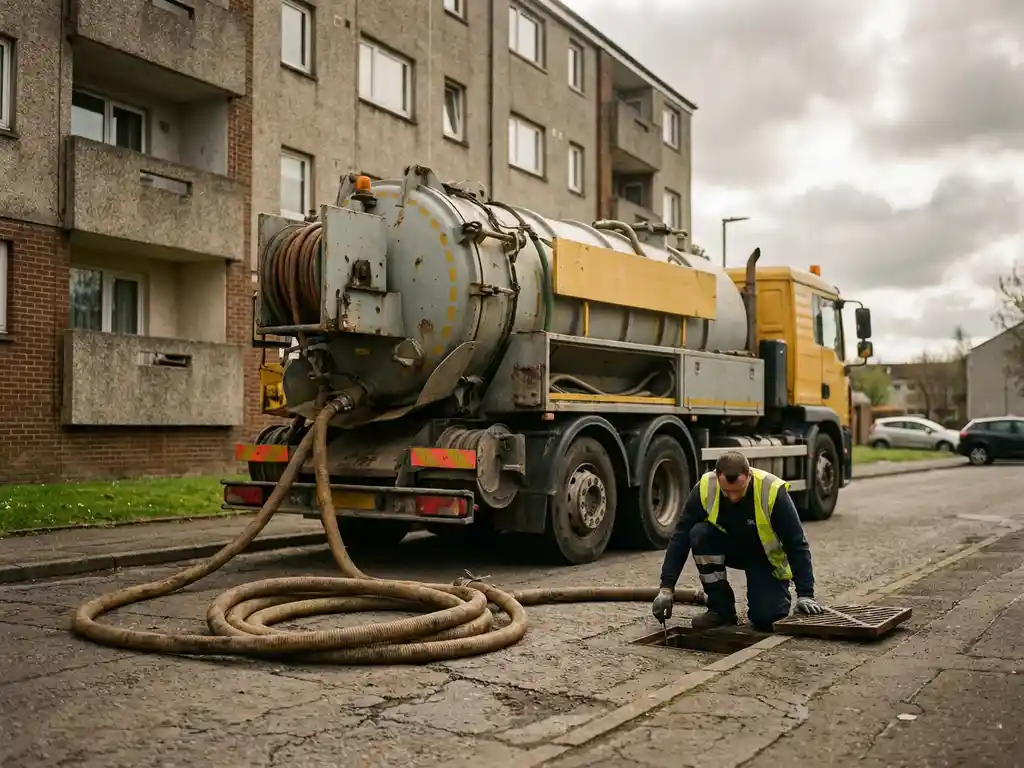
- Problems with wastewater pipes and main drains
- Installation of water heaters or heat pumps
- Works requiring a building permit or certification
Professional plumbers have the right training, tools and insurance to handle these complex installations. They are also familiar with current building codes and safety requirements, ensuring that the work is done correctly and legally.
What tools and skills do you need for plumbing work at home?
For basic plumbing work at home, you will need standard tools such as wrenches, plungers, screwdrivers and safety equipment. Equally important is theoretical knowledge of how water installations themselves work, including where the main taps are located and how to turn off the water safely.
Basic plumbing tools you should have:
- Adjustable wrench and pipe wrench
- Plunger for sewage problems
- Screwdrivers in different sizes
- Sealing tapes and gaskets
- Flashlight or headlamp
- Protective clothing and gloves
You also need to understand the basics of how plumbing systems work. Learn where the main faucet sits, how to drain pipes of water, and what parts may need to be replaced regularly. Many DIY stores offer courses in basic plumbing, and there are good instructional videos online for specific repairs.
The most important thing is to understand your limitations. If you feel unsure or if the problem seems more complex than expected, don't hesitate to contact a professional plumber instead.
What can go wrong when doing plumbing installations yourself?
Common mistakes in home plumbing include water leaks, improper connections and damage to existing pipes. These problems can lead to structural damage to your home, high repair costs and insurance problems if the work is not done correctly.
Potential consequences of incorrect plumbing installations:
- Water leaks damaging floors, walls and ceilings
- Flood requiring extensive clean-up
- Structural damage to the building frame
- Mold problems from hidden water leaks
- Insurance problems in the event of faulty work
- High costs of correcting misjudgments
To minimize plumbing safety risks, always work methodically and turn off the water before you begin. Test all connections thoroughly before completing the work. If you notice that the project is becoming more complex than expected, or if you encounter unexpected problems, stop the work and contact a professional plumber.
Recognize warning signs such as unusually low water pressure, strange noises from the pipes or moisture in unexpected places. These can indicate that something has gone wrong and needs professional assessment.
How 24 Center helps with plumbing installations and emergency repairs
At 24 Center, we offer 24/7 professional plumbing assistance for all types of plumbing problems, from emergency water leaks to planned installations. Our qualified plumbing technicians handle both simple repairs and complex projects with a focus on long-term, sustainable solutions.
Our services include:
- Emergency water leaks and sewer blockages
- Repair of running toilets and poor flushing
- Installation of new taps and plumbing components
- Professional pipe installations and rebuilds
- Maintenance and servicing of existing systems
- 24/7 availability for emergencies
Our local technicians are familiar with the regional building stock and can quickly identify and solve HVAC problems. We combine our expertise in security technology with extensive HVAC knowledge to provide you with complete solutions.
Contact us on 08 40 24 240 for immediate help with emergency plumbing problems, or book online for planned installations and maintenance work. We're here when you need professional plumbing help.
Frequently asked questions
Do I need a building permit for plumbing work at home?
Simple repairs such as replacing taps and shower hoses do not require a building permit. However, major renovations such as moving water pipes or installing new bathrooms require a building permit. Always check with your municipality to ensure you comply with the applicable rules before starting any major plumbing project.
How do I know if a plumbing problem is too complex for me to solve myself?
If the problem involves main water pipes, requires special tools, or if you feel unsure about how the system works, you should contact a professional. Signs such as low water pressure throughout the house, strange noises from the pipes, or moisture in unexpected places often indicate complex problems that require expert help.
What should I do if I accidentally damage a pipe during a repair?
Immediately turn off the main tap to stop the flow of water. Dry up any water to prevent damage. Then contact a professional plumber immediately - don't try to repair the damage yourself as this could make the situation worse and lead to higher costs.
How often should home plumbing be maintained?
Check faucets and visible pipes monthly for leaks or wear. Clean drains regularly and replace gaskets when they become hard. Have a professional do a thorough overhaul of the entire system every three years to prevent major problems and ensure optimal functioning.
Can I use standard tools for plumbing work or do I need special tools?
For basic repairs, common tools such as wrenches and screwdrivers are often sufficient. However, you will need specialist tools such as pipe wrenches for pipe work and possibly pipe cutters for some projects. Invest in quality tools if you plan to do multiple plumbing jobs - it will save you both time and money in the long run.
What happens to my insurance if I do the plumbing myself and something goes wrong?
Many home insurance policies do not cover damage arising from improperly carried out plumbing work. Contact your insurance company before starting work to understand what is covered. For larger projects, it may be worth hiring a certified plumber to ensure insurance coverage.
How can I learn more about HVAC technology to do more work myself?
Start with DIY courses or online tutorials for basic techniques. Read instruction manuals carefully and practice on simple projects first. Many libraries have good books on HVAC technology. The most important thing is to build knowledge gradually and always prioritize safety over saving money.