
A sewer well is functioning properly when it receives and treats wastewater from your home without causing problems. Signs of a well-functioning sewer well include normal water drainage, absence of unpleasant odors, and regular emptying according to recommended intervals. You can monitor the performance of your drain by observing the drainage rate, checking for unusual odors, and following a scheduled maintenance plan.
What is a sewer well and how does it work?
A septic tank is an underground container that collects and treats wastewater from your home when you are not connected to the municipal sewer system. Septic tanks are the most common type, where bacteria break down organic material, while infiltration wells release the treated water into the ground. Pump wells are used when gravity flow is not sufficient.
The system works by first collecting wastewater in the well, where heavier particles sink to the bottom and form sludge. Bacteria work continuously to break down the organic material. The clearer water then flows on to the next treatment stage or infiltrates into the ground. The entire process depends on a balanced bacterial flora and regular maintenance to function optimally.
Different types of wells have specific functions. Septic tanks focus on biological decomposition, while closed wells simply collect wastewater for transport. Infiltration wells require permeable soil to function properly. The right type of well depends on soil conditions, household size, and local environmental requirements.
What signs indicate that my drain is not working properly?
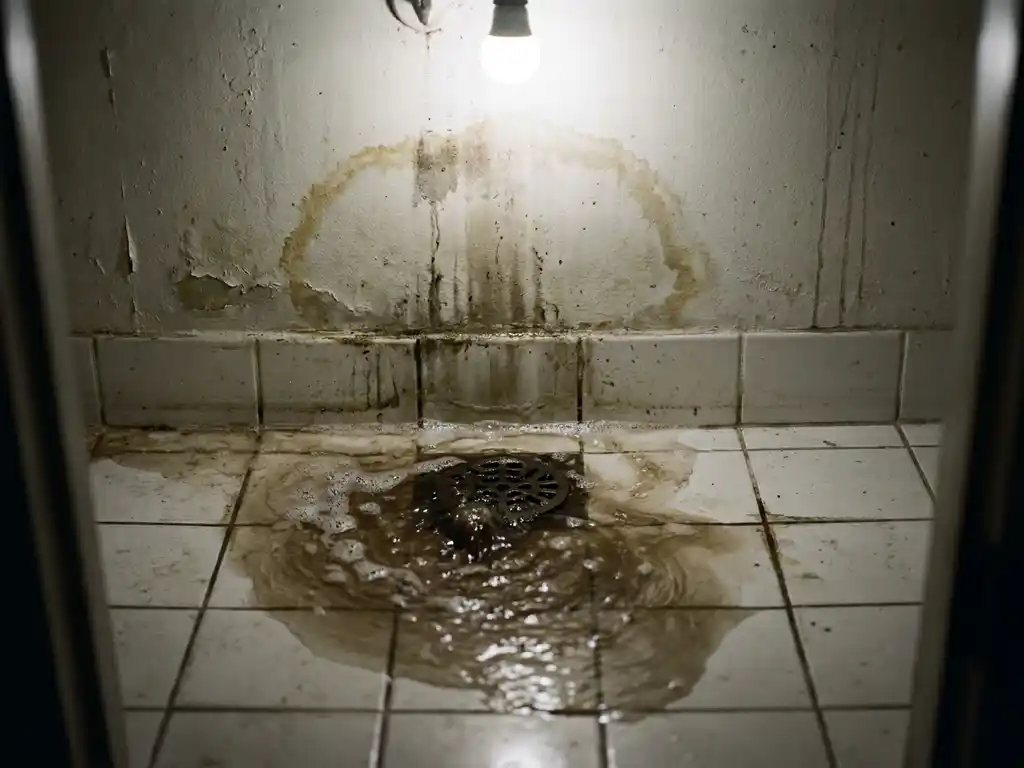
Bad smells around the drain or from indoor drains are often the first sign of trouble. Slow drainage in the sink, shower, or toilet indicates that the system is not handling the water flow properly. Water rising in floor or ceiling drains is a serious warning sign that requires immediate attention.
Unusual noises from the drainage system, such as gurgling or bubbling, indicate air problems or blockages. If you see visible contaminants such as sludge or grease in the area around the well, this means that the system is leaking or overfilled. Greener grass around the well may seem positive, but often indicates leakage of nutrient-rich sewage.
Other important warning signs include recurring blockages in drains, water coming up through floor drains when it rains, or neighbors reporting problems with their water. These symptoms require professional assessment to avoid major damage to both the environment and the property.
How often do you need to empty and maintain your septic tank?
Most septic tanks need to be emptied every two to four years, depending on the size of the tank and household usage. A family of four with normal water usage should plan for emptying every three years. Smaller households can wait longer, while larger families or intensive usage require more frequent intervals.
Factors that affect the emptying frequency include the volume of the well, the number of people in the household, water usage, and what is flushed down the drain. The use of dishwashers, washing machines, and the number of toilet visits affect sludge formation. Chemicals and antibacterial products can disrupt the natural bacterial balance and increase the need for emptying.
During emptying, sludge and grease are sucked away, while the purified water can remain in place to preserve the bacterial culture. Professional emptying companies also check the condition of the well and can detect problems at an early stage. Document all emptying operations to keep track of maintenance intervals and any changes in system performance.
What happens if you don't take proper care of your septic tank?
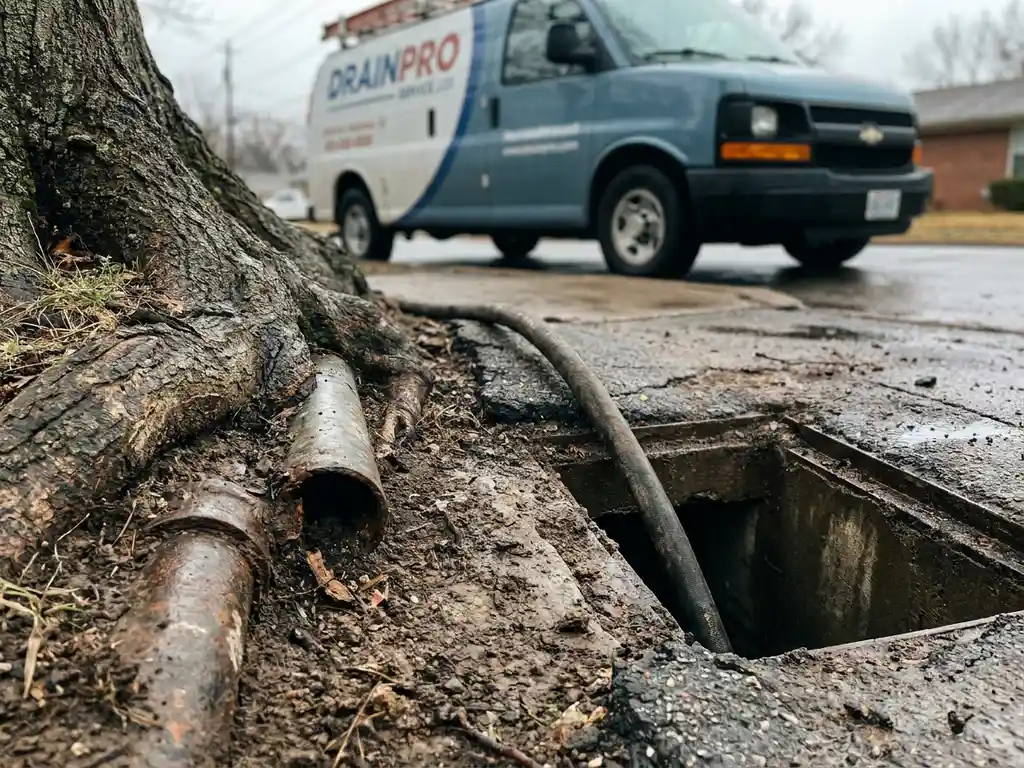
Poor maintenance leads to serious environmental consequences when untreated sewage leaks into the soil and groundwater. Bacteria and nutrients can contaminate drinking water wells and affect both your and your neighbors' water supply. Eutrophication of nearby lakes and waterways is a common consequence of poorly maintained sewage systems.
Health risks include exposure to disease-causing bacteria and viruses through contaminated water or direct contact. Children and pets are particularly vulnerable to these risks. Unpleasant odors affect quality of life and can render outdoor areas unusable.
The financial costs can be significant. Emergency repairs often cost several times more than preventive maintenance. Environmental remediation after a leak can require extensive groundwork. Property values can be negatively affected, and problems with authorities can result in fines or demands for costly system upgrades.
How 24 Center helps with drainage problems and well services
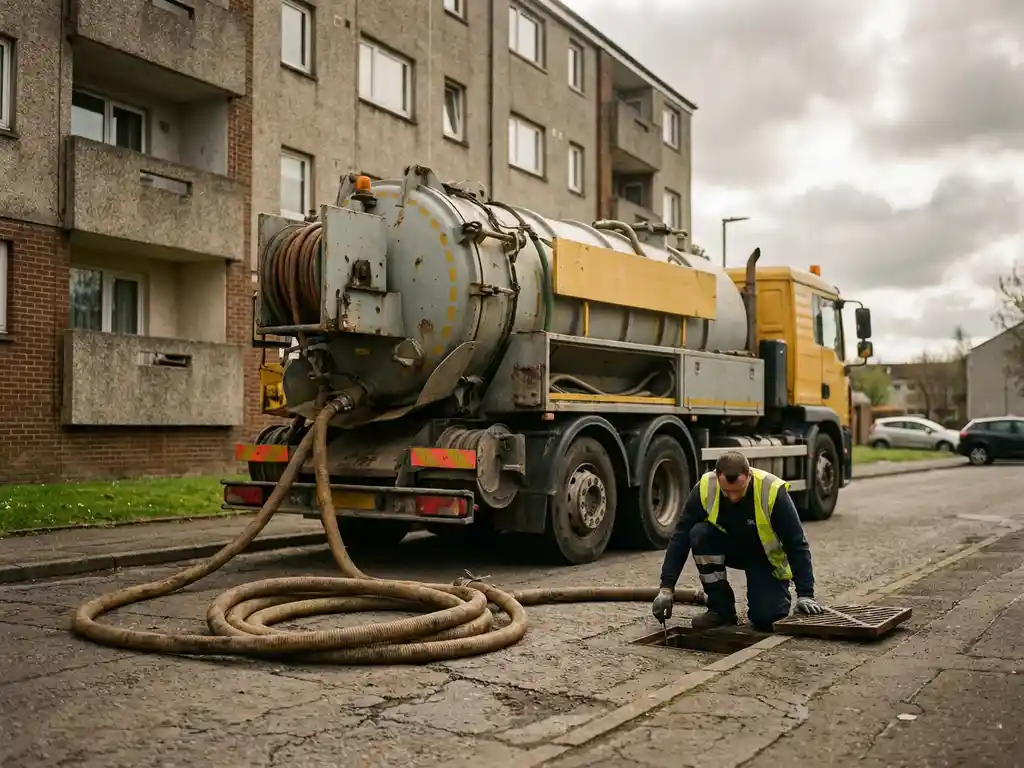
We offer professional drain cleaning services with on-call technicians who handle all types of drainage problems around the clock. Our drain cleaning trucks use hot water and high pressure to effectively clear blockages and clean drainage systems – an environmentally friendly method that provides long-lasting results.
Our services in the field of wastewater include:
- Emergency assistance for blocked drains with a response time of down to 15 minutes in the best case scenario
- Professional flushing of main pipes and entire sewage systems
- Pipe inspection with camera to identify causes of problems
- Planned maintenance and preventive flushing
- Well inspection and assessment of the condition of the system
Vid upprepade avloppsproblem rekommenderar vi en grundlig rörinspektion, där vi först spolar rent systemet och sedan inspekterar med kamera för att hitta grundorsaken. Ring 020 74 24 70 för akuta avloppsproblem eller boka service online för planerade underhållsarbeten. Våra lokala tekniker känner till områdets specifika förutsättningar och kan snabbt ta sig till dig för att lösa problemet effektivt.
Frequently asked questions
Can I empty my septic tank myself, or do I need to hire professional help?
You should always hire a certified waste disposal company to ensure safe and environmentally sound handling. Professionals have the right equipment to suck up sludge and grease, while checking the condition of the well and complying with environmental regulations for waste disposal.
Which household products should I avoid in order not to damage my drain?
Avoid antibacterial cleaning agents, bleach, oils, and chemicals that can kill the important bacteria in the well. Never flush cat litter, condoms, feminine hygiene products, or cigarette butts, as these can cause blockages and disrupt the biological process.
How do I know what type of drain well I have on my property?
Check building documents, contact the municipal environmental office, or hire a well technician for inspection. Different types of wells require different maintenance—septic tanks need regular emptying, while infiltration wells require checking the permeability of the soil.
How much does it cost to empty a septic tank, and are there ways to reduce the cost?
Emptying usually costs SEK 3,000-6,000 depending on the size of the well and accessibility. You can reduce costs by booking together with neighbors, choosing the right emptying interval, and maintaining the system preventively to avoid emergency repairs.
Can I install a drain well myself, or do I need a building permit and professional installation?
Installation of a drainage well always requires a building permit from the municipality and must be carried out by a qualified contractor in accordance with applicable environmental regulations. Incorrect installation can lead to environmental damage, health risks, and legal problems with authorities.
What should I do if my drain freezes in winter?
Contact a professional plumber or 24 Center for emergency assistance immediately. Do not attempt to thaw with open flames or hot objects. Prevent this by insulating exposed pipes, keeping the water flowing, and ensuring that the well is deep enough below the frost line.