
Water leaks in walls can be difficult to detect early on, as the damage often develops hidden from view. The first signs include damp spots, discoloration of wallpaper or paint, musty odors, and changes in the structure of the wall. By recognizing these warning signs early on, you can avoid extensive moisture damage and costly repairs.
What are the first signs that you have a water leak in your wall?
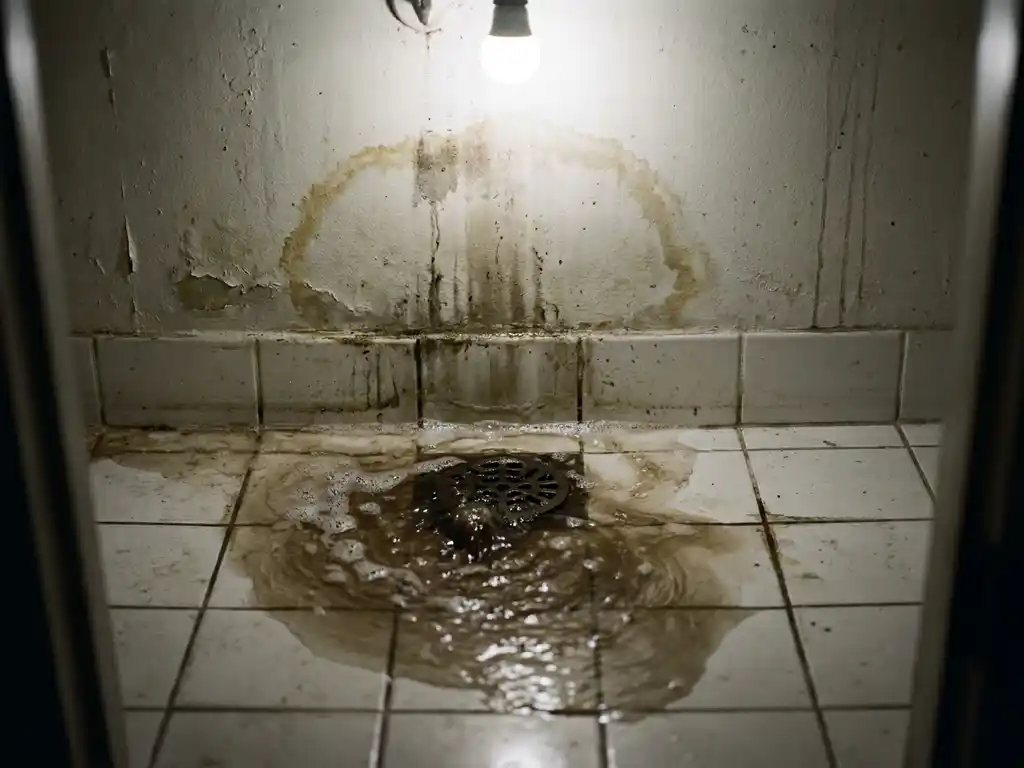
The most common warning signs of hidden water leaks are damp spots or discoloration on walls, ceilings, or floors. These spots often start small and gradually grow, especially around pipe installations. You may also notice that wallpaper or paint begins to peel, bubble, or take on a different texture.
Other important signs include changes in the structure of the wall. Drywall can become soft or spongy when exposed to moisture over time. You may also notice white deposits (salts) on the wall surface or tiles and grout beginning to come loose in bathrooms and kitchens.
Regularly check areas around toilets, washing machines, dishwashers, and other water fixtures. Look for signs of water leakage, such as dark spots, discoloration, or changes in the texture of the material. Early detection of these signs can save you from major moisture damage to the wall and costly repairs.
Why does it smell strange when there is a water leak behind the wall?
Den muffiga, unkna lukten uppstår när fukt och stillastående vatten skapar perfekta förhållanden för mögel- och bakterietillväxt. Dessa mikroorganismer frigör gaser och ämnen som ger den karakteristiska dåliga lukten som många känner igen som ”fuktlukt”.
The smell often becomes noticeable before you see any visible damage, as mold can grow inside walls where air circulation is limited. Bacteria also thrive in damp environments and contribute to the unpleasant smell. The longer the water leak continues, the stronger the smell becomes as mold and bacteria continue to multiply.
If you notice a strange smell without seeing any visible damage, this could be the first sign of a hidden water leak behind the wall. The smell is often strongest near the source of the leak and can be particularly noticeable in enclosed spaces or when humidity is high.
How can you check for water leaks in the wall yourself?
The simplest method is visual inspection combined with feeling the wall surface. Look for moisture spots, discoloration, or areas where the wall feels soft or damp. Check especially carefully around pipe installations, windows, and areas where water pipes run through the wall.
You can use a simple moisture meter (available at hardware stores) to measure the moisture content in different parts of the wall. High moisture levels can indicate hidden water leaks, even if no visible damage is apparent yet. Compare measurements from different areas to identify problem areas.
Other useful methods include:
- Check your water meter – turn off all water and see if the meter is still moving.
- Listen for the sound of running water when everything is turned off.
- Use a thermal camera (available for rent) to detect temperature differences that indicate moisture.
- Check your water bill for unusual increases in consumption.
What happens if you ignore water leaks in the wall for too long?
Untreated water leaks lead to structural damage that can compromise the stability of the building. Wood begins to rot, metal rusts, and drywall is destroyed when exposed to constant moisture. These damages become exponentially more expensive to repair the longer they are allowed to continue.
Mold growth is a serious problem that affects both the building and your health. Mold can spread through ventilation systems and cause respiratory problems, allergies, and other health issues. Some types of mold are particularly dangerous and require professional remediation.
Other consequences include:
- Insulation that deteriorates and loses its effectiveness
- Electrical installations that can be damaged and become dangerous
- Increased heating costs due to deteriorated insulation
- Deteriorated indoor climate with high humidity
- Decrease in value of the property
When should you contact a professional plumber for water leaks?
Contact a professional plumber immediately if you see visible water leaks, hear the sound of running water inside walls, or if moisture damage is spreading rapidly. These situations require immediate action to prevent extensive damage to your property.
You should also seek professional help if your own tests indicate water leakage but you cannot locate the source. Professional plumbers have special equipment such as thermal cameras, acoustic detectors, and advanced moisture meters to detect hidden leaks without damaging walls unnecessarily.
Other situations that require professional help:
- Mold odor that does not disappear despite ventilation
- The water bill shows an unusual increase without explanation.
- Several areas in the home show signs of moisture problems
- Water leakage near electrical installations
- Structural changes in walls or ceilings
How 24 Center helps with water leaks in walls
We offer professional water leak detection around the clock to quickly locate and repair hidden water leaks. Our qualified plumbers use advanced equipment such as thermal cameras and acoustic detectors to find leaks without unnecessary holes in walls.
Our water leak services include:
- Emergency leak detection using modern detection equipment
- Professional moisture measurement in walls for accurate diagnosis
- Repairing pipe leaks with long-term solutions
- Advice on preventive measures
- Cooperation with insurance companies for claims settlement
With our nationwide network of local technicians, we ensure a quick response time when you need help the most. We understand that the cost of water leaks can be high if the problem is not fixed quickly, so we work efficiently to minimize the damage.
Ring 020 74 24 70 för omedelbar hjälp med vattenläckage, eller boka online för mindre brådskande ärenden. Vi hjälper dig att lösa problemet innan det utvecklas till omfattande fuktskador.
Frequently asked questions
How long does it take before water leakage in the wall causes serious damage?
Serious damage can develop within 24-48 hours in the case of major leaks, but minor leaks can continue for weeks or months before visible damage occurs. Mold growth often begins within 24-72 hours in damp conditions. It is therefore important to act quickly when you discover the first signs of a water leak.
Can I use a standard moisture meter from a hardware store to detect water leaks?
Yes, a standard moisture meter can help you detect elevated moisture levels in walls, but it cannot always distinguish between normal moisture and water leaks. For best results, measure in several places and compare the values. Professional moisture meters provide more accurate results and can detect leaks deeper in the wall.
How much does it cost to repair a water leak in a wall?
The cost varies greatly depending on the extent and location of the leak. Simple pipe leaks can cost SEK 3,000-8,000 to repair, while extensive damage requiring wall replacement and mold treatment can cost SEK 20,000-50,000 or more. Early detection often saves tens of thousands of kronor in repair costs.
Does home insurance always cover damage from water leaks in walls?
Home insurance usually covers sudden and unforeseen water leaks, but not damage that has occurred gradually over time due to poor maintenance. Document the damage carefully and contact your insurance company as soon as possible. Some insurance policies require you to prove that the leak was discovered within a certain time frame.
Can I just paint over moisture stains to temporarily hide the problem?
No, painting over moisture stains does not solve the underlying problem and may even worsen the situation by trapping moisture. The stains will likely return, and the moisture will continue to damage the wall. It is important to first fix the water leak and allow the area to dry completely before painting.
How can I prevent future water leaks in the wall?
Regular inspection of pipe installations, especially around toilets, washing machines, and dishwashers, is the best way to prevent leaks. Replace old pipes and fittings in a timely manner, check that seals are intact, and keep an eye on your water bill for unusual increases. Consider installing water alarm systems in high-risk areas.