
When you discover a water leak in your home, you need to act quickly to minimize the damage. There are several effective ways to temporarily stop a water leak using common household items such as tape, clamps, and towels. The most important step is to turn off the main water valve immediately, after which you can use various emergency solutions depending on where the leak is located. These temporary repairs will give you time to contact a plumber for a permanent solution.
What should you do first when you discover a water leak?
Immediately turn off the main valve to stop the water supply to the entire property. This is the most important measure to prevent major water damage. The main valve is usually located in the basement, under the sink, or at the water inlet.
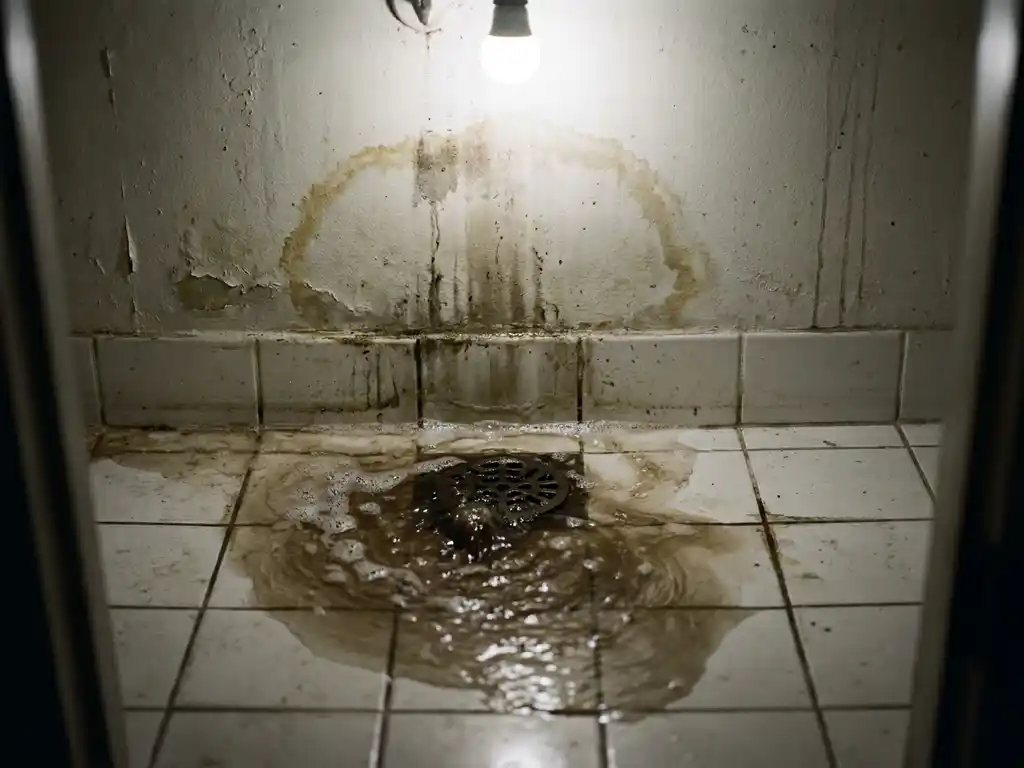
After turning off the water, locate the source of the leak. Look for visible signs such as puddles, damp spots, or dripping sounds. Move valuable items and furniture away from the affected area to protect them from water damage.
Assess the severity of the situation by checking whether the leak is coming from visible pipes, taps, or toilet connections. Minor leaks from taps or loose connections can often be dealt with temporarily, while major pipe breaks require immediate professional assistance. Document the damage with photos for insurance purposes.
What tools and materials do you need to temporarily stop a water leak?
Most temporary repairs can be made with common household items that you already have at home. Waterproof tape, especially silver tape or plumber's tape, is the most useful tool for sealing minor leaks from pipes and connections.
Other useful materials include:
- Rubber sheet or plastic film to drain water
- Towels and rags for soaking up water
- Pipe clamps or regular clamps to squeeze together leaking pipes
- Buckets and containers for collecting dripping water
- Rubber hose for diverting water away from sensitive areas
Always keep a toolbox with basic tools such as a wrench, screwdriver, and pliers. These will help you tighten loose connections or adjust water pipes. A flashlight is also important for examining dark areas where the leak may be located.
How do you temporarily stop different types of water leaks?
In the event of a pipe break, wrap waterproof tape tightly around the damaged area in several layers. Start a few centimeters from the crack and wrap overlapping layers for the best seal. For larger holes, you can first place a piece of rubber sheet over the damage before taping.
Loose connections can be fixed by tightening them carefully with a wrench. Be careful not to tighten them too much and damage the threads. If the connection continues to leak, you can wrap tape around the threads as a temporary solution.
For leaky faucets:
- Turn off the water valve under the sink or dishwasher.
- Tighten the stuffing box nut around the tap shaft with a wrench.
- If the leak continues, wrap tape around the connections.
If your toilet is leaking, first check whether the problem is coming from the base of the toilet or from the water pipes behind it. Carefully tighten the screws at the base of the toilet, but not too tightly as the porcelain may crack. Use tape around the pipe connections if the leak is coming from there.
When are temporary solutions not enough and you need professional help?
Contact a plumber immediately if the leak is larger than tape and clamps can handle, or if the water continues to leak despite your repair attempts. Major pipe breaks, leaks from main lines, or problems with the water heater always require professional expertise.
Warning signs that indicate serious problems include heavy water flow that cannot be stopped, leaks from hidden pipes in walls or ceilings, and leaks near electrical installations. These situations can create safety hazards and cause extensive structural damage.
Seek professional help if:
- The water pressure throughout the house is affected
- You hear strange noises coming from the pipes after the repair
- The leak recurs several times
- There is a sewage odor or you see signs of moisture damage in the walls.
Temporary solutions are only intended to prevent acute damage until professional help can be arranged. Never attempt to repair gas pipes, main water pipes, or complex plumbing systems on your own.
How 24 Center helps with emergency water leaks
We offer emergency plumbing assistance around the clock for all types of urgent water leaks and water-related problems. Our qualified plumbers have the expertise to handle everything from minor leaks to major pipe breaks and will quickly arrive at your property with the right tools and spare parts.
Our plumbing services include:
- Emergency leak detection and repair of water pipes
- Permanent repair of faucets, toilets, and couplings
- Installation of new water pipes and safety valves
- Preventive maintenance of HVAC systems
- Professional assessment of water damage and repair needs
With our nationwide network of local technicians, we ensure short response times even in emergency situations. Our plumbers are familiar with the local building stock and can quickly identify the source of the problem and deliver long-term solutions.
Ring 020 74 24 70 för omedelbar hjälp vid akuta vattenläckage eller boka online för planerade VVS-arbeten. Vi hjälper dig att lösa problemet permanent så att du slipper framtida vattenläckage och vattenskador.
Frequently asked questions
How long will a temporary repair with tape and clamps last?
A temporary repair with tape can last from a few hours to several days, depending on the water pressure and the size of the leak. It is important to understand that this is only a temporary solution—contact a plumber within 24-48 hours for a permanent repair. Water pressure and temperature changes can cause the tape to come loose over time.
What should I do if I cannot find the main tap?
If you cannot locate the main valve, contact your landlord or housing association immediately for assistance. In emergency situations, you can turn off the water valves under sinks and toilets to limit the damage locally. The main water valve is often marked with a red or blue handle and may be located at the water inlet, in the boiler room, or outdoors at the property boundary.
Can I use regular silver tape for all types of water leaks?
Silver tape works well for minor leaks, but for best results, use special tape such as plumber's tape or waterproof tape. These are designed to withstand moisture and water pressure better than regular silver tape. For hot water pipes, you need heat-resistant tape, as regular tape can come loose at high temperatures.
How do I know if a water leak has caused moisture damage to the wall?
Signs of moisture damage include discoloration of wallpaper or paint, swelling of drywall, moldy odors, or soft areas on the wall surface. Use a moisture meter if you have access to one, or tap gently on the wall—hollow sounds may indicate damage. Contact an expert immediately if you suspect hidden moisture damage, as this can lead to mold problems.
What insurance aspects should I consider in the event of water damage?
Document all damage with photos before starting temporary repairs and contact your insurance company as soon as possible. Keep receipts for all costs related to emergency repairs and damage mitigation. Many home insurance policies cover sudden water leaks but not damage caused by poor maintenance, so it is important to act quickly and professionally.
Are there any safety risks I should be aware of in the event of a water leak?
Always avoid handling water leaks near electrical outlets, fuse boxes, or electrical appliances. Turn off the power to the affected area if there is a risk of water coming into contact with electricity. Also, be careful of slippery floors and wear shoes with good traction. In the event of a leak from a hot water system, allow the pipes to cool before handling them to avoid burns.