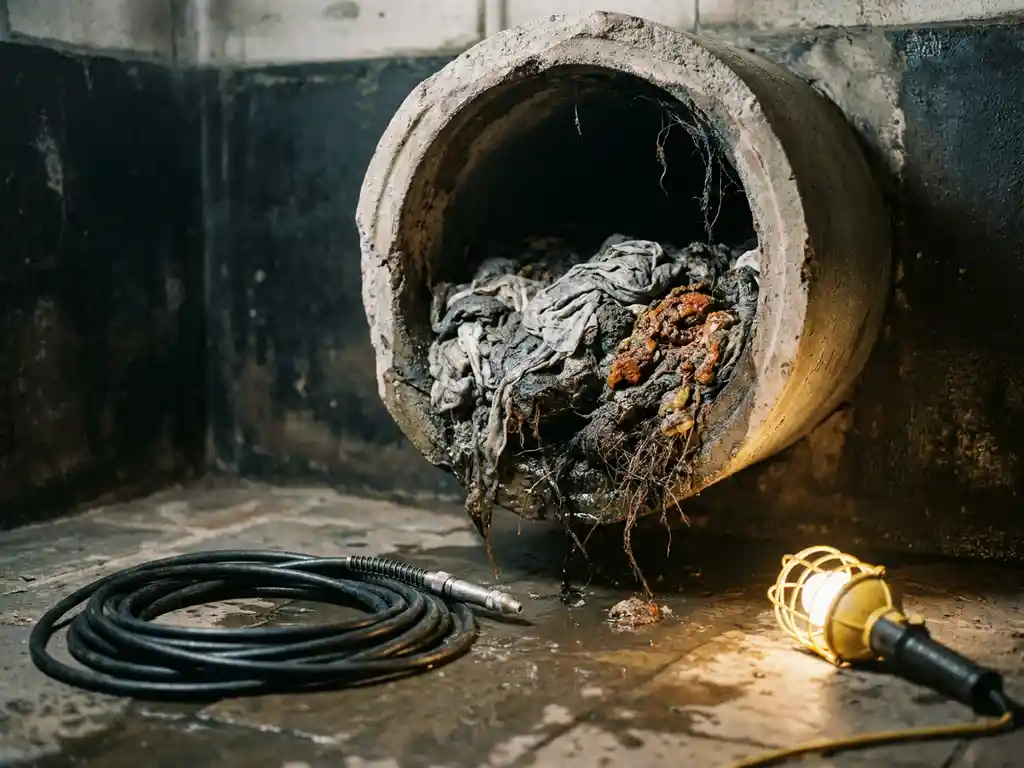
In the event of an emergency sewage blockage, a cleaner can normally arrive within 1-4 hours, depending on your location and the severity of the problem. In metropolitan areas, there is often quicker access to an on-call flushing truck, while it may take slightly longer in rural areas. We prioritize emergency sewage problems that cause flooding or health risks and send help as quickly as possible. Response time is also affected by the time of day, the day of the week and how many other sewer emergencies need to be dealt with at the same time.
How quickly can a flushing truck arrive in case of an emergency sewer blockage?
A sewerage emergency response service can normally be on site within 1-4 hours after you contact the hotline. In urban and metropolitan areas, the response time is often shorter, usually 1-2 hours, as there are more flushing trucks available nearby. In less densely populated areas, it can take up to 4 hours, sometimes longer in extremely remote locations.
The difference between an emergency service and a regular booking is significant. When you call an emergency breakdown service, your case is given immediate priority, especially if there is a risk of flooding or a health hazard. Regular bookings for less urgent sewer problems are scheduled during office hours and can often take several days before technicians arrive.
The time of day also plays a role in how quickly the truck can arrive. During the daytime on weekdays, availability is often best as more trucks are in operation. During evenings, nights, weekends and holidays, the response time may be slightly longer, although we are always on call 24 hours a day for emergency sewer stoppages.
What counts as an emergency sewer blockage that requires a flushing truck?
An emergency sewer blockage is a situation where wastewater cannot drain away normally and creates an immediate risk of injury or health problems. Total sewer stoppages where no water goes down, backflow of sewage up through floor drains or toilets, and risk of flooding in the home or basement are always classified as emergencies requiring immediate flushing truck response.
Hazardous situations arise when sewage enters living spaces or when there is a risk of contamination of drinking water. These situations are always handled as emergency sewerage problems. Blockages in shared sewer lines affecting several apartments or properties are also given high priority.
Less urgent problems that can be expected include slow draining in individual sewers, faint odor problems with no visible leakage, or preventive maintenance of sewer lines. These issues are important but do not require the same immediate response as acute sewer blockages.
If you are unsure whether your sewerage problem is urgent, you can always contact us for an assessment. We will help you determine the urgency of the situation and schedule the right type of assistance.
What factors affect how quickly the truck can get to you?
Geographical accessibility is the factor that most often determines the response time of a water truck service. The distance to the nearest available truck directly affects how quickly help can reach you. In big cities, there are usually several trucks operating at the same time, resulting in shorter waiting times. In sparsely populated areas, the nearest available truck may be further away.
The time of day and day of the week play an important role. During weekdays between 07:00 and 17:00, more trucks are active and available. During evenings, nights and weekends, fewer units are in operation, which can slightly increase waiting times. Public holidays and bank holidays often put more pressure on on-call services as many property owners discover problems when they are at home.
Current demand also affects how quickly we can respond. During extreme weather conditions such as heavy rainfall or snowmelt, the number of emergency sewer blockages increases significantly. During such periods, the most urgent cases with the highest risk of damage are prioritized.
Weather and traffic conditions can extend the travel time of the flushing truck. Snowy weather, slippery conditions or traffic jams affect how quickly the technology can arrive. How well you describe the problem when you contact us will help us prioritize and send the right equipment right away, saving you time.
How do you get the fastest response time to an emergency stop?
Contact the emergency service immediately when you notice an emergency sewer blockage. Don't wait to call in the hope that the problem will solve itself. The sooner we receive the alarm, the faster we can send help. It's better to call once too often than to wait until the situation worsens.
When you call, describe the problem as clearly and in detail as possible. Explain if it is a total blockage, if water is backing up, if there is a risk of flooding or if sewage has already entered the home. This will help us assess the level of urgency correctly and prioritize your case properly.
Have the following information available when you contact us: full address with any gate code, type of property (house, flat, apartment building), where in the property the problem is located, and if several drains are affected. If you know where the main sewer is and can describe it, it will save you valuable time when the technician arrives.
While you are waiting for the water truck, stop using any water in the property to avoid making the situation worse. Do not flush the toilet, do not use the dishwasher or washing machine, and avoid dumping water down the drains. If water is already overflowing, try to collect it with towels or buckets to minimize damage to floors and furnishings. Move valuables away from exposed areas if there is a risk of flooding.