Trenchless sewer repairs are modern techniques that repair damaged sewer pipes without digging up the ground. Methods include relining, pipe lining and other techniques that fix cracks, leaks and root intrusion from inside the pipe. These methods save time, reduce costs and avoid disruption to your garden or driveway.
What is trenchless sewer pipe repair and how does it work?
Trenchless repair uses relining technology and pipe lining to repair sewer pipes from the inside without digging. A flexible sock impregnated with thermosetting plastic is inserted into the damaged pipe and expanded against the pipe walls. As the material hardens, a new pipe is created inside the old one.
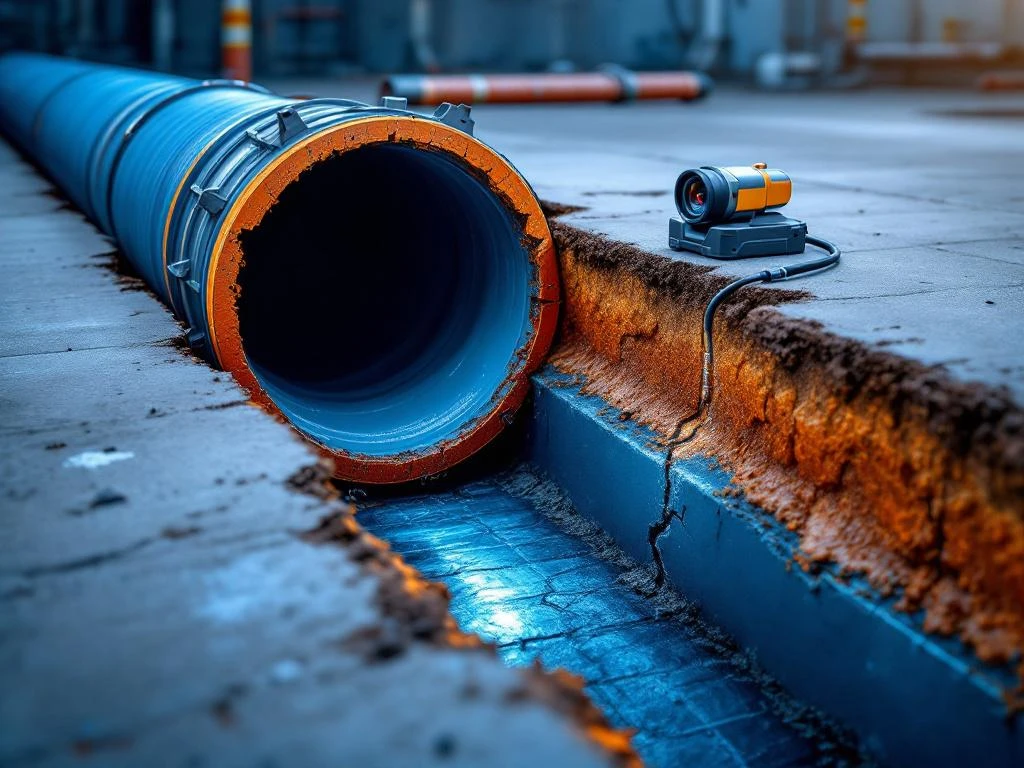
The process starts with camera inspections that identify the exact location and extent of the damage. Then the pipe is thoroughly cleaned with high-pressure flushing to remove roots, grease and other deposits. The new pipe liner is installed and cured in place, creating a durable repair that will last for decades.
Other trenchless techniques include spot repairs for minor damage and robotic milling to remove root intrusion. These modern repair methods solve most sewer problems without affecting your surroundings.
What types of sewer damage can be repaired without excavation?
Shaftless repair effectively addresses cracks, water leaks, root penetration and partial pipe breaks. The method works well for pipes with structural damage that have not completely collapsed or displaced. Minor deformations and irregularities in the inner surface of pipes are also successfully repaired.
Root penetration is a common problem that is solved by first milling away the roots and then installing pipe linings that prevent future root problems. Corrosion damage in older concrete or clay pipe systems is repaired by covering all damaged surfaces with the new lining.
However, some situations require traditional excavation. Completely collapsed pipes, large displacements or pipes with extensive structural damage often need to be replaced. Plumbing repair by trenching is also needed when the pipe is too shallow or when other pipes prevent access for trenchless technology.
What is the cost of repairing sewer pipes without digging?
Trenchless sewer pipe repair usually costs less than traditional trenching when you count all the costs. While the repair itself may be similar in price, you avoid the costs of excavation, land restoration, resurfacing and any damage to plantings or structures.
Price is influenced by pipe diameter, extent of damage and length of repair. Longer distances are often more cost-effective per meter. Accessibility to the pipe and the need for preparatory work such as root milling also affect the final cost.
In the long run, you save money as modern repair methods often have a longer lifespan than traditional solutions. The new pipe liner is resistant to roots and corrosion, significantly reducing future maintenance needs and repair costs.
How long does a trenchless sewer repair take?
A typical trenchless repair takes 1-2 days compared to 3-7 days for traditional trenching. The process starts with camera inspections and cleaning which takes a few hours. The actual installation of the pipe lining is usually completed in one day.
Curing times vary depending on technology and weather conditions. Some materials cure in a few hours while others need overnight. During the curing process, the drain cannot be used, but this is significantly shorter than the waiting time for excavation.
Factors affecting the working time include the length of the pipes, the degree of preparatory cleaning and the availability of inspection wells. Complex repairs with multiple damaged sections may take longer, but are still faster than digging up and replacing entire pipe systems.
What are the advantages of trenchless repair compared to traditional excavation?
Trenchless repair offers minimal disruption to your everyday life and property. You avoid large excavation works that destroy lawns, plantings, driveways or terraces. It is also environmentally friendly as less material needs to be transported and disposed of.
The time saved is significant - both for the repair itself and the aftercare. You don't have to wait for the ground to be restored or new plants to be established. Movement around your property is minimally affected during the repair period.
In terms of quality, modern repair methods often provide better long-term results. The new pipe lining is more resistant to roots, corrosion and other common issues that cause future sewer problems. This means fewer recurring repairs and lower overall costs over time.
How 24 centers help with trenchless sewer repair
We offer professional trenchless sewer repair 24/7 with our qualified plumbing technicians. Our specialists use modern techniques such as relining and pipe lining to solve your sewer problems without digging.
Our services include:
- Camera inspections to accurately identify damage
- High pressure flushing and cleaning of sewer pipes
- Installation of pipe linings and other trenchless solutions
- Emergency service for water leaks and sewer breaks
- Preventive maintenance to prevent future problems
With our local network of technicians across the UK, we can come to you quickly and assess whether your situation is suitable for trenchless repair. Call 08 40 24 240 for immediate help with your drain problems, or book a visit online for a free consultation on modern repair options.
Frequently asked questions
How do I know if my sewer pipe can be repaired without excavation or if it needs excavation?
A camera inspection determines whether trenchless repair is possible. If the pipe has cracks, leaks or root penetration but still retains its basic shape, trenchless techniques work well. However, completely collapsed pipes, large displacements or pipes that are too shallow require traditional trenching.
Can I use the drain immediately after the pipe liner is installed?
No, you need to wait until the pipe liner has fully cured - usually 4-24 hours depending on the technique and weather conditions. During the curing process, the sewer may not be used, but this is a much shorter waiting time than traditional excavation, which can take several days.
What are the signs that I need trenchless sewer repair?
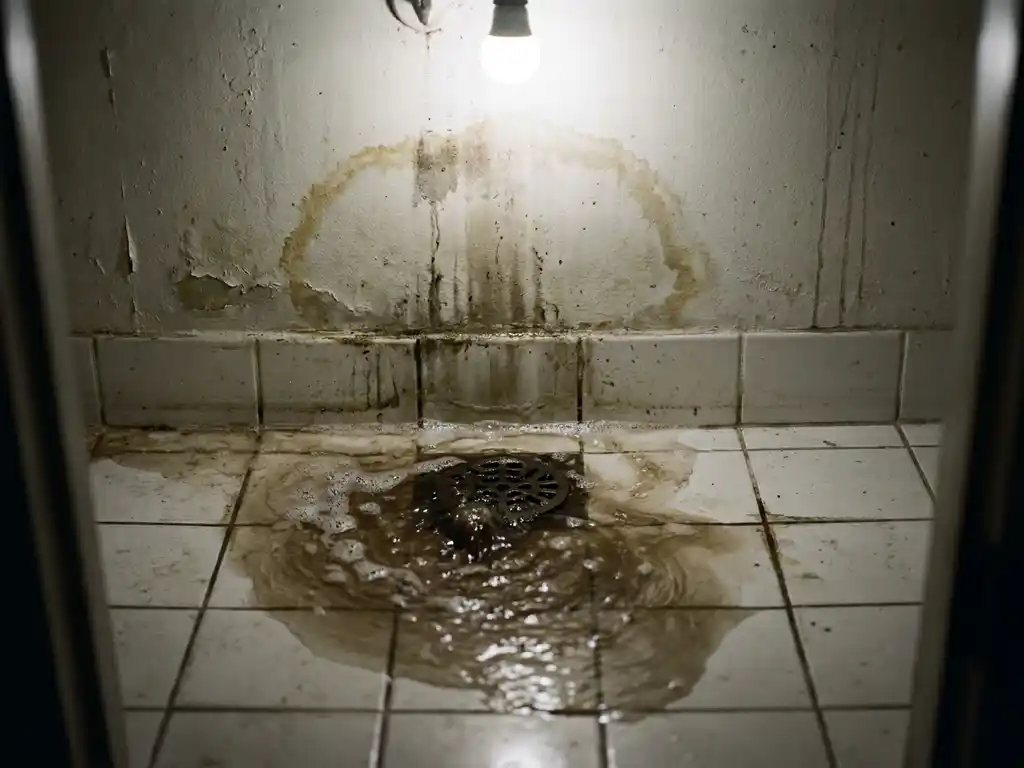
Common signs include recurring blockages, slow drainage, unpleasant odors from drains, moisture stains on walls or floors, and loud noises from pipes. Roots growing up through toilets or floor drains are also clear warning signs that require immediate attention.
How long does a trenchless repair last compared to traditional pipe replacement?
Modern pipe linings typically last 50+ years and are often more durable than traditional repairs. The new lining is resistant to roots, corrosion and chemicals, providing better long-term performance than many original pipe types such as concrete or clay.
What happens if there are several damaged areas along the same pipe?
Trenchless technology can deal with multiple damaged sections at the same time by installing continuous pipe lining along the entire damaged section. This is often more cost-effective than repairing each area separately and provides a complete solution for the entire pipe system.
Is pipe capacity affected when pipe linings are installed inside existing pipes?
The pipe liner marginally reduces the inner diameter (usually 3-6mm), but this rarely affects the flow capacity noticeably. The smooth surface of the new liner often compensates for the smaller diameter by reducing friction and improving flow characteristics compared to old, damaged pipes.