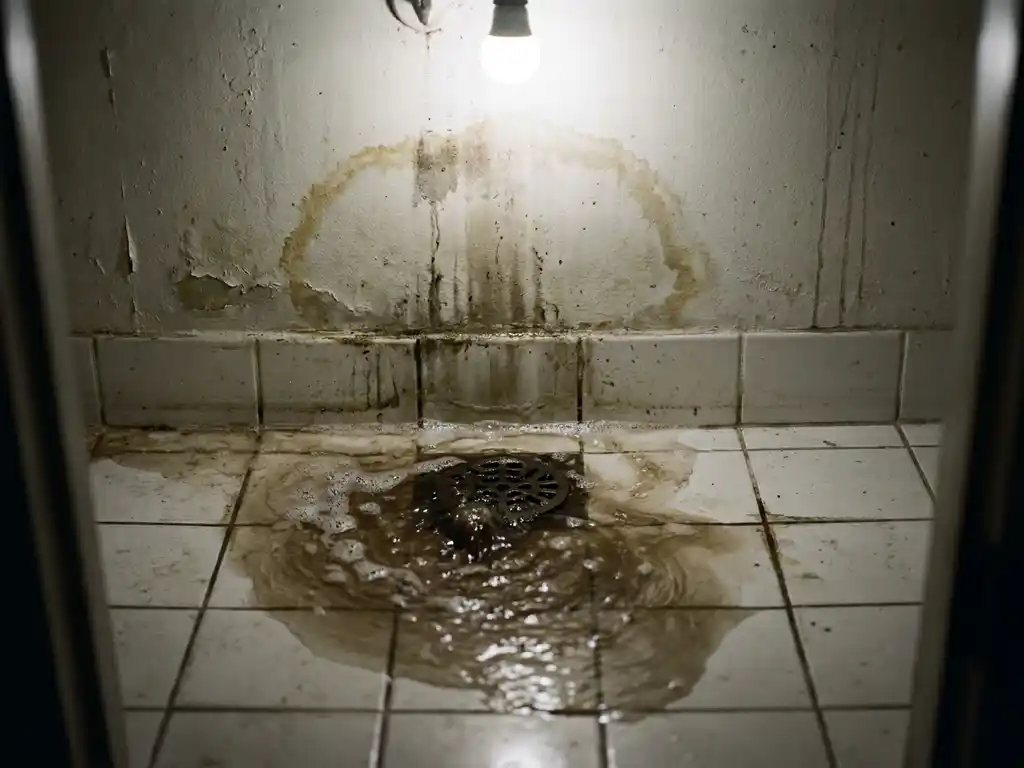

Cleaning your floor drain regularly is the best way to avoid blockages and costly drain repairs. You need to remove the grate, clear away hair and dirt, scrub with dish soap, and rinse thoroughly. With the right technique and tools, the process only takes 15–20 minutes and prevents odor problems, poor drainage, and potential water damage in your home.
Why do floor drains become clogged, and what happens if they are not cleaned?
Floor drains collect hair, soap residue, dirt, and organic material, which gradually build up in the drain. Hair is the most common cause of blockages because it traps other particles and creates compact clogs. Soap residue and body oils stick to the pipe walls and gradually reduce water flow.
When you neglect cleaning the floor drain, several problems develop. The water drains slowly or not at all, which can lead to flooding in the bathroom or laundry room. Stagnant water creates unpleasant odors due to bacterial growth and organic decomposition. In the worst case, water damage can occur when water flows over the floor and damages underlying structures.
Clogged floor drains also affect the entire drainage system. Pressure builds up in the pipes and can cause leaks or damage to other parts of the installation. Therefore, it is much more cost-effective to prevent drain blockages through regular cleaning than to deal with the consequences.
How often should you clean the floor drain to avoid problems?
Clean the floor drain once a month in bathrooms and laundry rooms with normal use. Families with long hair or pets should increase the frequency to every other week. Guest bathrooms and less frequently used areas can be cleaned every three months without any problems.
Signs that the floor drain needs cleaning include slow drainage, bubbling noises when the water drains away, or unpleasant odors from the drain. If you notice that water remains after showering or washing, it is time for immediate cleaning.
Laundry rooms require extra attention because washing machines flush out fibers, lint, and detergent residue. Here, we recommend maintaining the floor drain every two weeks. Bathrooms with bathtubs are often used less intensively than shower rooms and usually only need to be cleaned monthly.
What tools and products do you need to clean the floor drain properly?
Basic tools for drain cleaning include rubber gloves, a small scrub brush or old toothbrush, dish soap, and hot water. A drain cleaner or spiral hose will help reach deeper clogs. Also, have a bucket or bowl ready to collect dirty water.
Effective cleaning products include regular dish soap, which dissolves grease and soap residue. Baking soda and vinegar work as a natural alternative—mix equal parts for a foaming reaction that dissolves organic deposits. Avoid harsh chemicals that can damage pipes or the environment.
For stubbornly stuck material, you will need a small spatula or scraper to loosen deposits from the walls of the well. A flashlight will help you see clearly inside the well. Some people prefer disposable gloves for hygienic reasons, especially when there is a lot of organic material to clean out.
How to clean a floor drain step by step in the right way?
Start by turning off the water supply and putting on rubber gloves for protection. Carefully lift the grate off the floor drain—some models screw off, while others just lift straight up. Place the grate in a bucket of warm water and dish soap to soak.
Remove visible hair and dirt with your hands or a small spatula. Carefully scrape away deposits from the well walls without damaging the seals. Use a brush or old toothbrush with dish soap to scrub all surfaces thoroughly.
Flush the drain with plenty of hot water to dissolve soap residue and grease. If the drain is still slow, use a drain cleaner or spiral hose to reach deeper blockages. Clean the grate thoroughly with a brush and dish soap before putting it back in place.
Finish by running hot water for a few minutes to check that the drain is working normally. Wipe the area around the drain and dispose of any residue in the trash, not down the drain.
What preventive measures can be taken to keep the floor drain clean for longer?
Install a hair trap or filter over the floor drain to catch hair and larger particles before they reach the sewer. These simple aids cost little but save a lot of cleaning work. Replace or clean the filter weekly, depending on use.
Flush the floor drain with hot water after each shower or wash to keep the drain free of soap residue. Avoid flushing hair, cotton swabs, condoms, or other items that can cause blockages. Clean hair from shower walls and floors before it has time to be flushed down.
Use moderate amounts of shampoo and other hygiene products to reduce deposits. Preferably choose biodegradable products that do not leave as many residues. A monthly rinse with warm water and a dash of dish soap helps keep the pipes clean between more thorough cleanings.
How 24 Center helps with drainage problems and floor drain maintenance
When the floor drain is completely clogged or when your own cleaning attempts are not enough, we offer professional help with drainage problems and flushing truck services. Our technicians have special tools and expert knowledge to solve even the most stubborn blockages effectively.
We provide the following services for drainage problems:
- Professional flushing with high pressure and hot water
- Camera inspections to identify the source of the problem
- Flushing of the entire sewage system
- Emergency service in case of flooding and blockages
- Preventive maintenance flushing
Våra spolbilar når dig snabbt – ofta inom 15 minuter vid akuta situationer. Vi arbetar dygnet runt, alla dagar om året, eftersom vi förstår att avloppsproblem sällan uppstår vid lämpliga tidpunkter. Ring 020 74 24 70 för omedelbar hjälp eller boka ett besök online för planerade underhållsarbeten.
Frequently asked questions
What should I do if the floor drain still smells bad after cleaning?
A bad smell after cleaning often indicates that there are bacteria or organic material deeper down in the drain. Pour a mixture of baking soda and vinegar followed by hot water and leave to work for 30 minutes. If the smell persists, there may be a problem with the water trap or deeper in the system that requires professional help.
Can I use chemical drain cleaners instead of cleaning manually?
Chemical drain cleaners should be avoided as a first resort because they can damage pipes, seals, and the environment. They also do not solve the underlying problem of hair and dirt buildup. Manual cleaning is safer, more environmentally friendly, and provides better long-term results for the health of your floor drain.
How do I know if the problem is in the floor drain or deeper in the sewer system?
If only one floor drain is affected, the problem is likely to be local. However, if several drains or sewers in the home are affected at the same time, or if water comes up through other drains when you use one, this indicates a problem in the main sewer that requires professional flushing or inspection.
What type of hair trap or filter works best for floor drains?
Choose a stainless steel or plastic hair trap that fits the diameter of your drain perfectly. Models with fine mesh catch more hair but need to be cleaned more often. Silicone-based filters are flexible and easy to clean, while metal filters are more durable for long-term use.
Is it normal for the floor drain to gurgle or bubble when water is draining away?
Gurgling noises are not normal and indicate partial blockages or air problems in the drainage system. This may be due to accumulations that reduce water flow or problems with ventilation in the pipes. This should be remedied quickly before it develops into a complete blockage.
How can I maintain the floor drain in the laundry room where there is a lot of lint?
Install a fine-mesh filter specifically for the laundry room floor drain and clean it after each wash cycle. Also, clean the washing machine's lint trap regularly and consider installing a separate lint trap on the washing machine's drain hose to reduce the load on the floor drain.