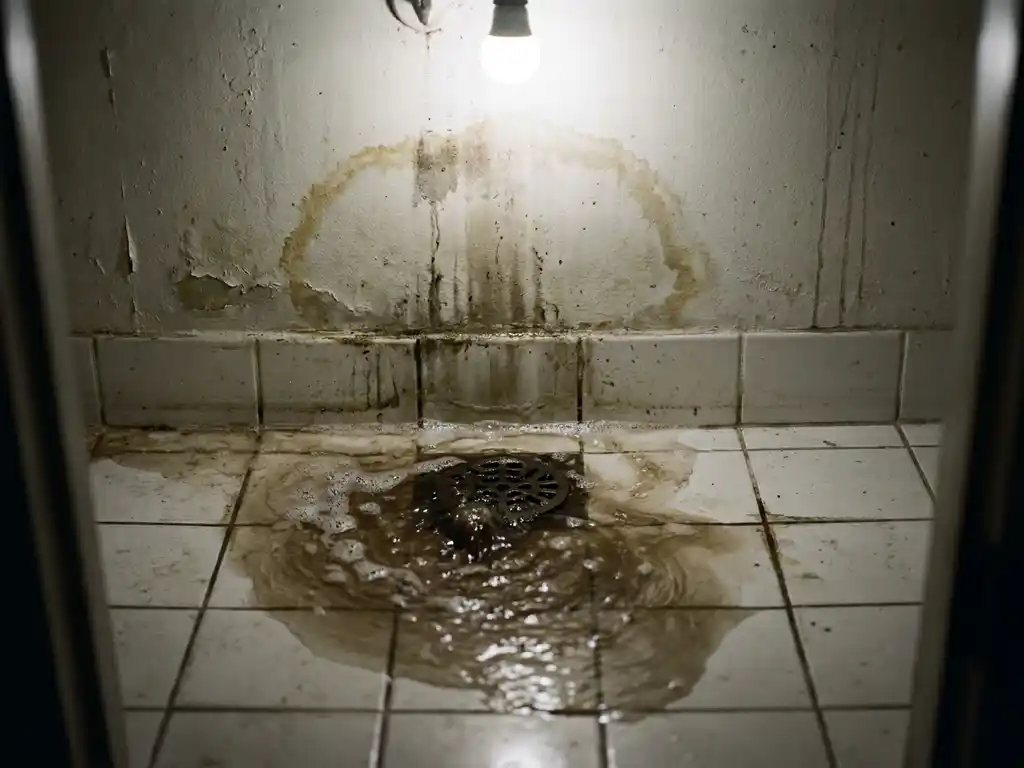

Cleaning the drain under the sink requires the right techniques and tools to effectively clear clogs and blockages. You can start with natural methods such as baking soda and vinegar, or use special tools such as drain cleaners and plungers for more difficult cases. Regular cleaning and preventive measures will help you avoid future drain problems in the kitchen.
Why does the drain under the sink get clogged?
The drain under the sink becomes clogged due to food scraps, grease, and soap residue that accumulate over time and create blockages in the pipes. These substances stick to the inside of the pipe walls and build up layers that gradually reduce the water flow until a complete blockage occurs.
Food scraps from washing dishes and cooking are the most common cause of clogged kitchen drains. Even small particles such as coffee grounds, rice, and vegetable scraps can accumulate in the trap and cause problems. Grease from frying pans and plates solidifies when it comes into contact with cold water and forms lumps that trap other particles.
Soap residue and dishwashing liquid can also contribute to drainage problems by forming a sticky mass together with food scraps and grease. Hair that gets into the dishwater makes the situation worse by creating a net that traps all the waste that is flushed down the drain.
What tools and materials do you need to clean the drain?
For basic cleaning of the sink drain, you will need baking soda, vinegar, hot water, and a plunger. These household items will effectively and safely clear most minor clogs without damaging the pipes or the environment.
Special tools that may be useful include:
- Drain cleaner or drain snake for deeper blockages
- Rubber gloves for protection against bacteria and chemicals
- Bucket for collecting water from the water trap
- Screwdriver for dismantling parts of the water trap
- Old toothbrush for detailed cleaning
Always have protective equipment available when working with drains. Rubber gloves protect against bacteria and any chemicals, while safety goggles can be useful if you are using chemical drain cleaners.
How do you clean the drain step by step using homemade methods?
Start by pouring a cup of baking soda followed by a cup of warm vinegar down the drain. Cover the drain with a plug or towel for 15–30 minutes, then flush with very hot water to dissolve the blockage and rinse away loose debris.
Detailed step-by-step process:
- Remove visible waste from the sink and drain
- Pour a cup of baking soda directly into the drain.
- Then pour in a cup of warm vinegar.
- Cover the drain immediately to contain the reaction.
- Wait 15–30 minutes while the mixture takes effect.
- Rinse with 2–3 liters of boiling water.
If this method does not work, you can try using a plunger to create pressure that can loosen the blockage. Place the plunger over the drain, make sure there is enough water to cover the rubber edge, and pump vigorously several times.
When should you use chemical drain cleaners and how do you do so safely?
Chemical drain cleaners should be used when natural methods do not work and you have a stubborn blockage that cannot be solved with baking soda, vinegar, or a plunger. Choose enzymatic cleaners for regular use and stronger chemicals only for emergency situations with total blockages.
Safety precautions when using chemical products:
- Always wear rubber gloves and safety goggles.
- Ensure that the kitchen is well ventilated.
- Follow the dosage instructions exactly
- Never mix different chemical products.
- Keep children and pets away from the area
Avoid strong chemicals in old pipes or pipes made of sensitive materials such as PVC. Enzymatic cleaners are gentle on all types of pipes and break down organic material naturally. Always read the product information to ensure compatibility with your specific pipes.
How can you prevent future blockages in your sink drain?
Prevent future drainage problems by installing a fine-mesh strainer in the sink and avoiding flushing grease, food scraps, and coffee grounds down the drain. Regular cleaning with hot water and mild detergent will keep the pipes clean and functional.
Practical preventive measures:
- Scrape plates thoroughly before washing
- Collect cooking grease in containers instead of pouring it down the sink.
- Rinse with hot water after each wash
- Clean the drain strainer daily
- Use the baking soda and vinegar method monthly as maintenance.
Avoid flushing coffee grounds, rice, eggshells, and other particles that can accumulate in the pipes. These substances seem harmless but slowly create blockages when they accumulate over time.
How 24 Center helps with drainage problems
We offer professional plumbing services around the clock for all types of drainage problems in the kitchen. Our qualified plumbers use advanced cleaning methods and special equipment to solve even the most stubborn blockages quickly and efficiently.
Our plumbing services include:
- Emergency drain cleaning with professional equipment
- High-pressure flushing for deep cleaning
- Inspection with camera to identify the cause of the problem
- Repair and replacement of parts in the water trap
- Preventive maintenance and advice
Kontakta oss på 020 74 24 70 när hemmagjorda metoder inte fungerar eller när du upplever återkommande avloppsproblem. Vi finns tillgängliga dygnet runt och våra lokala tekniker kommer snabbt ut för att lösa problemet permanent.
Frequently asked questions
How often should I clean the drain preventively, even if it is not clogged?
Perform preventive cleaning with baking soda and vinegar once a month to prevent the build-up of grease and food residue. In addition, rinse with hot water after each wash and clean the drain strainer daily for best results.
What should I do if water backs up in the sink when I use baking soda and vinegar?
If the water flows back up, it means that the blockage is too large for natural methods. Stop immediately, open the drain to release the pressure, and try using a plunger instead, or contact a plumber for professional cleaning.
Can I use regular household vinegar, or do I need special vinegar for drain cleaning?
Regular household vinegar (5-12% acetic acid) works great for drain cleaning. Warm vinegar is more effective than cold, so heat it slightly before use. Avoid using vinegar spirit or stronger acids that can damage the pipes.
How do I know if my drain has an S-trap or P-trap, and does it matter for cleaning?
Look under the sink—an S-hook looks like the letter S, while a P-hook resembles a P lying on its side. Both types are cleaned in the same way, but P-hooks often have a cleaning plug that makes them easier to take apart for deep cleaning.
What should I do if I drop something valuable down the drain, such as a ring or earring?
Turn off the water immediately and do not attempt to flush. The object is likely stuck in the trap. Place a bucket under the trap, carefully unscrew the drain plug, and look for the object. If you are unsure, contact a plumber.
Is it safe to use chemical drain cleaners in old houses with old pipes?
Old pipes, especially cast iron or older PVC, can be damaged by strong chemicals. Only use enzymatic cleaners in old houses and avoid products containing sodium hydroxide or sulfuric acid. Consult a plumber if you are unsure about the pipe material.
How long should I wait before contacting a professional plumber?
Contact a plumber if natural methods and plungers do not work after 2-3 attempts, if the problem recurs within a week, or if you notice a bad smell or bubbling noises coming from the drain. Do not wait if the water stops flowing completely or backs up.