
Grease traps need to be cleaned regularly to function properly and prevent environmental damage. The cleaning interval depends on the type of business and use, but for restaurants and commercial kitchens, cleaning is usually required every 4–12 weeks according to government guidelines. Private individuals with grease traps should clean them 2–4 times a year. Signs such as bad odors, slow drainage, or visible grease indicate that cleaning is urgently needed.
What is a grease trap and why does it need to be cleaned?
A grease trap is a technical device that separates grease, oil, and other light liquids from wastewater before it reaches the municipal sewage system. The device works by allowing the water to pass slowly through a chamber where grease and oil float to the surface while heavier particles sink to the bottom.
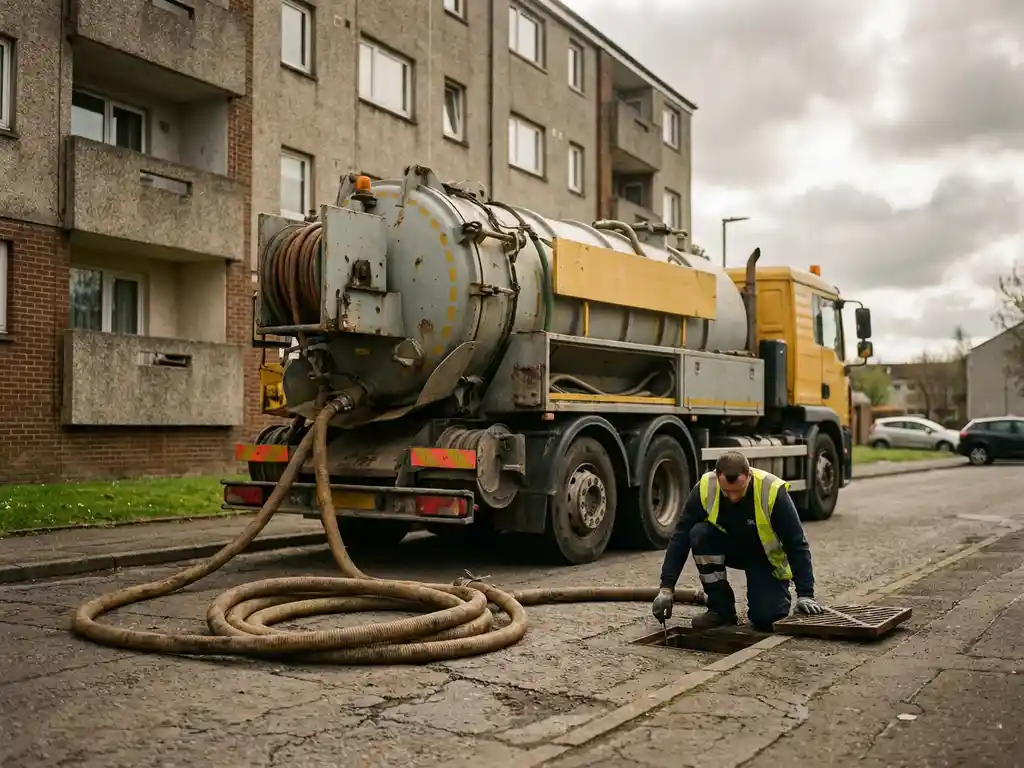
The grease trap needs to be cleaned because accumulated grease and sludge reduce its separation capacity over time. When the unit becomes overfilled, grease can pass through the system and cause serious environmental consequences in receiving waters and wastewater treatment plants. In addition, you risk expensive sewer blockages in the property's pipe system that may require emergency flushing truck service.
Poor maintenance also leads to bacterial growth, which creates unpleasant odors and can affect the entire property's environment. For businesses in the food industry, poorly maintained grease traps can also affect hygiene standards and create problems during visits from authorities.
How often should grease traps be cleaned according to regulations?
According to environmental legislation and local regulations, grease traps must be cleaned frequently enough to function effectively. For restaurants and commercial kitchens, this usually means cleaning every 4–8 weeks, while smaller businesses can get by with cleaning every 8–12 weeks.
Private individuals with grease traps in their homes should clean them 2–4 times a year, depending on the size of the household and cooking habits. Municipalities may have specific requirements that vary between different areas.
Factors affecting the cleaning frequency include:
- The amount of grease and oil that passes through the system daily
- Size and capacity of the grease trap
- Water temperature and usage patterns
- Type of business and cooking methods
Many businesses choose to sign service agreements to ensure regular maintenance of the grease trap and avoid unexpected problems.
What signs indicate that the grease trap needs to be cleaned?
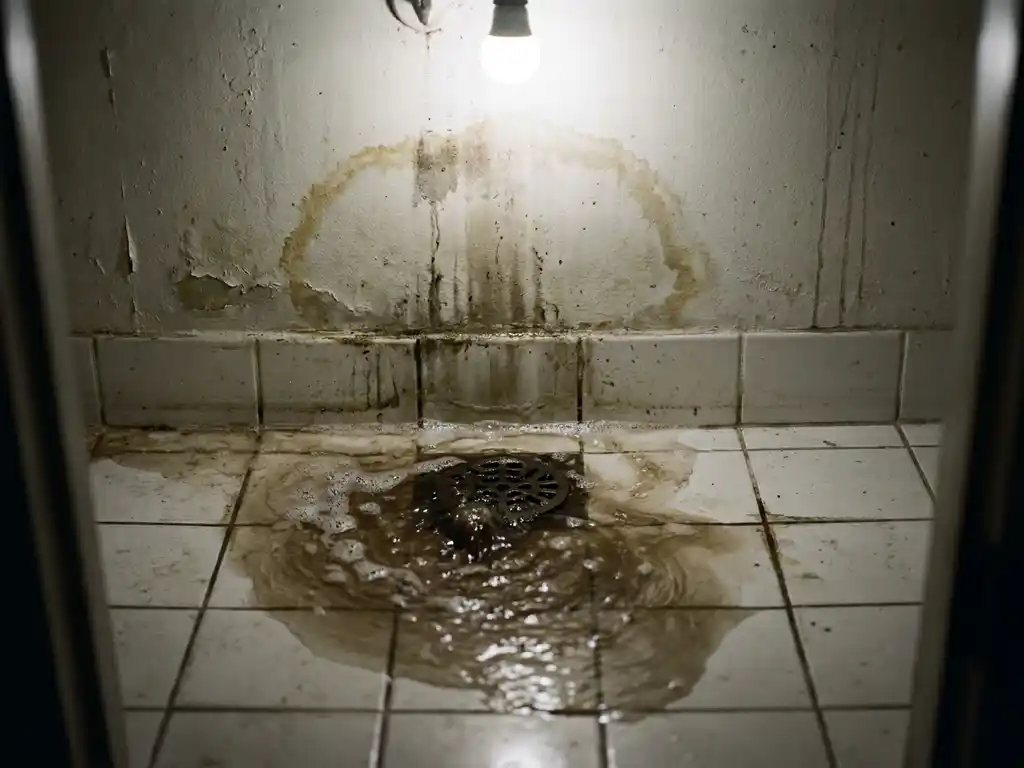
There are several clear warning signs that indicate your grease trap needs immediate cleaning. A bad smell from the drain or the area around the grease trap is often the first sign that the unit is overfilled and that bacteria are starting to break down the accumulated grease.
Other important warning signs include:
- Slow drainage in sinks and floor drains
- Gurgling noises from the drainage system
- Visible grease or an oil layer on the water surface in the grease separator
- Recurring drain blockages in the kitchen area
- Flooding or elevated water levels in basements or technical rooms
If you notice that the grease layer reaches more than half the depth of the grease trap, it is definitely time to clean it. Don't wait until the problems become acute – then you may need emergency plumbing assistance, which will be significantly more expensive than planned maintenance.
Regular visual inspections help you detect problems early and avoid costly emergencies that require immediate flushing truck service.
How much does it cost to clean a grease trap?
The cost of emptying grease traps varies between SEK 1,500 and SEK 4,000 per occasion, depending on several factors. The size of the grease trap is the most important price factor, with larger units requiring more time and resources for complete cleaning.
Price factors that affect the cost include:
- Volume and accessibility of the grease trap
- The degree of contamination and how long ago the last cleanup was performed
- Geographical location and transport costs
- If special equipment is required for access
- Emergency service versus planned maintenance
Professional grease trap servicing typically includes emptying, high-pressure flushing, and documentation for the authorities. Although it may seem tempting to clean it yourself, the work requires special equipment and proper handling of environmentally hazardous waste.
Regular maintenance is more cost-effective than waiting until urgent problems arise. Scheduled cleaning of the grease trap costs significantly less than emergency repairs of blocked drains or environmental sanctions from the municipality.
How 24 Center assists with grease trap service
We offer professional grease trap services through our network of qualified HVAC technicians throughout Sweden. Our specialists have expert knowledge in all types of grease trap maintenance and can handle both emergency problems and scheduled maintenance for private individuals and companies.
Our grease trap services include:
- Complete emptying and cleaning of grease separators
- High-pressure flushing for optimal cleaning
- Inspection and documentation in accordance with regulatory requirements
- Emergency service in case of flooding or sewer blockage
- Regular service agreements for planned maintenance
With our 24/7 availability, we can respond immediately when urgent problems arise. Our local technicians are familiar with the specific conditions in the area and can quickly reach you, often within 15 minutes in emergency situations.
Kontakta oss på 020 74 24 70 för akut fettavskiljarservice eller boka planerat underhåll online. Vi gör det enkelt för dig att hålla din fettavskiljare i perfekt skick och undvika kostsamma problem.
Frequently asked questions
Can I clean the grease trap myself, or do I need to hire professional help?
Although it is technically possible to clean the system yourself, special equipment is required for safe emptying and correct handling of environmentally hazardous waste. In addition, the emptied grease and sludge must be transported to an approved reception facility. Professional service also includes the necessary documentation for the authorities and ensures that the work is carried out in accordance with applicable environmental regulations.
What happens if I forget to clean the grease trap in time?
Neglecting cleaning can lead to serious consequences such as environmental sanctions from the municipality, expensive blockages in the property's pipe system, and the risk of flooding. In addition, overflowing grease traps can allow grease to pass through to the sewage treatment plant, which can result in heavy fines. Bacterial growth also creates unpleasant odors that affect the entire property.
How do I know what cleaning frequency applies to my specific business?
Contact your local municipality for information about local regulations, which may vary between different areas. As a starting point, the frequency is every 4-8 weeks for restaurants, every 8-12 weeks for smaller businesses, and 2-4 times per year for private individuals. Your local environmental authority can provide specific guidelines based on your type of business and the size of the grease trap.
What documents do I need to keep after cleaning the grease trap?
Always save the receipt from the professional cleaning service showing the date, amount of material removed, and transporter. These documents are often required for government inspections and environmental oversight. Many municipalities also require you to keep a logbook of cleanings, which facilitates follow-up and shows that you are complying with the regulations applicable to your business.
Is there anything I can do between cleanings to extend the interval?
Yes, you can extend the interval by minimizing the amount of grease that goes down the drain. Scrape plates thoroughly before washing, use grease traps in sinks, and avoid pouring frying grease directly into the drain. Do not run the dishwasher with water that is too hot, as this melts the grease, which then solidifies further down the system. Regular visual checks will also help you detect when cleaning is needed.
What should I do if the grease trap starts to smell bad between cleanings?
Bad odors between cleanings often indicate that bacteria are breaking down organic material in the grease trap. Contact a professional service provider immediately for emergency cleaning, especially if the odor is accompanied by slow drainage. Do not attempt to solve the problem with chemical products, as these can interfere with the grease trap's function and harm the environment.