
Regular drain cleaning is recommended every 6–12 months for most households, but the frequency depends on usage and water type. Kitchen drains need to be cleaned more often due to grease and food residue, while bathroom drains require attention when drainage becomes slow. Preventive maintenance prevents costly drain blockages and emergency plumbing problems.
Why is regular drain cleaning so important for your home?
Preventive drain maintenance saves both money and hassle by preventing urgent drain problems. When you clean your drains regularly, you avoid costly emergency repairs and water leaks that can damage your property.
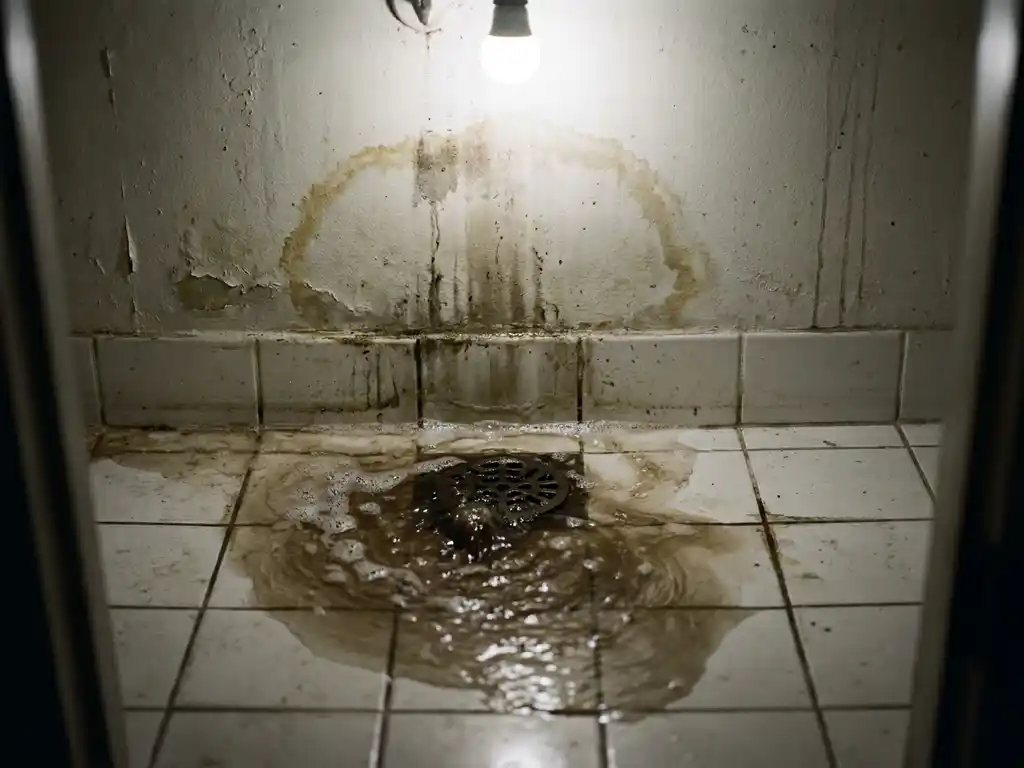
When drains are not cleaned regularly, grease, hair, soap residue, and other particles build up in the pipes. This causes slow drainage, which gradually worsens until the drain becomes completely blocked. The problem not only affects the drain in question, but can also cause backflow and flooding in other parts of the home.
Neglected drain cleaning also leads to unpleasant odors spreading through the ventilation system. Bacteria and mold thrive in damp, dirty pipes and can negatively affect indoor air quality. Regular plumbing maintenance prevents these health risks and keeps your home fresh.
How often should different types of drains be cleaned in the home?
Kitchen drains need to be cleaned every 3–6 months because grease and food scraps easily get stuck in the pipes. Bathroom drains are cleaned every 6–12 months, depending on how much hair and soap residue accumulates. The laundry room requires attention every 12 months or when drainage becomes noticeably slower.
Usage patterns have a significant impact on cleaning requirements. Large families need to clean their drains more often than smaller households. Hard water with a high lime content requires more frequent cleaning, as mineral deposits build up more quickly in the pipes.
Older properties with narrower pipes require more frequent drain cleaning than modern installations. If you notice that a particular drain regularly becomes slow, you may need to adjust the cleaning interval for that specific drain. Adjust the schedule according to your specific circumstances for best results.
What signs indicate that your drains need urgent cleaning?
Slow drainage is the first sign that your drain needs immediate attention. When water stays in the sink, shower, or washbasin longer than usual, it indicates that the drain is starting to get clogged with debris.
Bad smells from the drains signal that organic material is rotting in the pipes. Bubbling or gurgling noises when water flows out indicate that air is having difficulty passing through the drain, suggesting a partial blockage.
Other warning signs include:
- Water rising in other drains when you use the dishwasher or washing machine
- Breakfast cereal or food scraps floating in the sink
- Wet spots around pipes under the sink
- Fruit flies gathering around the kitchen drain
Act immediately when you notice these symptoms to prevent blockages and avoid major drainage problems.
What can you do yourself to keep your drains clean between professional cleanings?
Regular home maintenance keeps drains functioning between professional cleanings. Flush hot water through the drains weekly and use mild dish soap to dissolve grease buildup. Avoid chemical drain cleaners, which can damage pipes over time.
Effective home cleaning methods include:
- Pour boiling water followed by cold water to rinse away loose deposits.
- Use a cup of baking soda followed by white wine vinegar, leave for 30 minutes and rinse with warm water.
- Clean the hair collector and filter regularly
- Avoid flushing grease, coffee grounds, and food scraps down the drain.
Preventative measures work best when you are consistent. Install hair catchers in showers and bathtubs, and scrape plates thoroughly before washing. These simple routines reduce the need for extensive cleaning and keep your pipes in better condition.
When should you contact a professional plumber instead of trying to do it yourself?
Contact a professional plumber when drain problems cannot be solved with home cleaning or when several drains are affected at the same time. Complete drain blockages, recurring problems, and water leaks require professional expertise for a safe and lasting solution.
Situations requiring professional help:
- Drain blockages that cannot be fixed with regular cleaning
- Water flowing up through floor drains
- Strange noises from pipes in walls
- Recurring problems despite regular cleaning
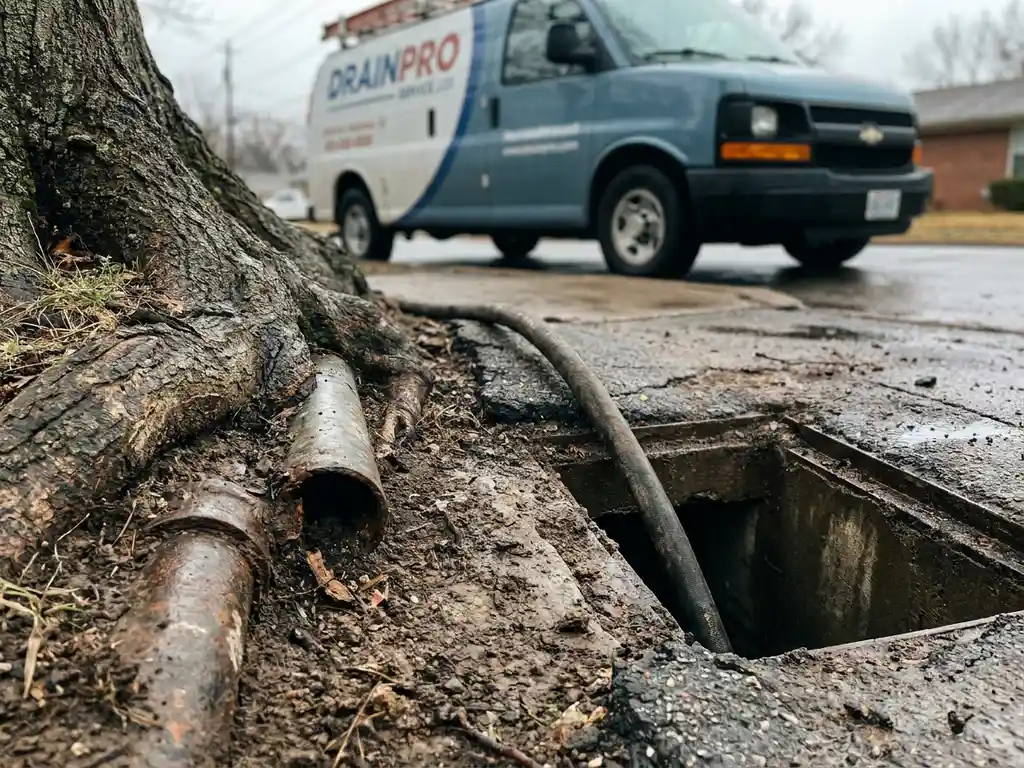
- Suspected damage to the main pipe
Waiting too long for professional help can exacerbate problems and increase repair costs. Older properties with complex plumbing systems should always be handled by qualified technicians who can identify underlying problems before they become urgent.
How 24 Center helps with sewer cleaning and plumbing problems
We offer professional drain cleaning and plumbing services around the clock to solve all types of drainage problems quickly and efficiently. Our qualified plumbers handle everything from emergency drain blockages to preventive maintenance of pipes.
Our plumbing services include:
- Emergency drain cleaning in case of blockages and clogs
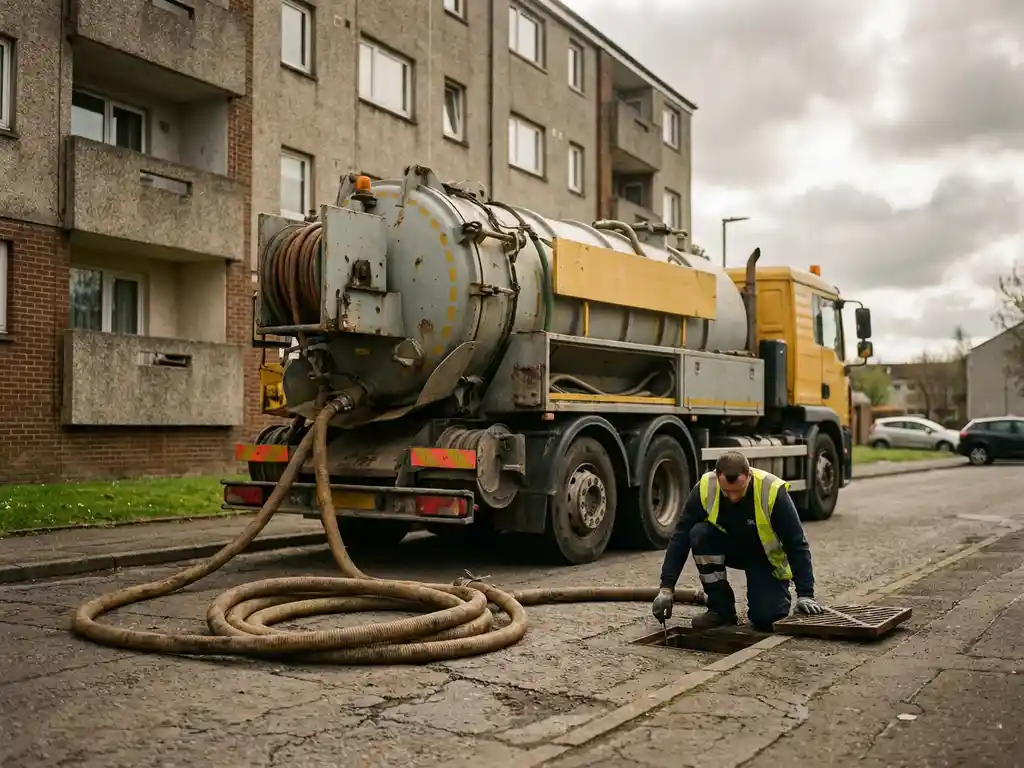
- Professional high-pressure flushing of pipelines
- Preventive maintenance and regular property management
- Repair of leaking pipes and plumbing installations
- Camera inspection to locate hidden problems
With our nationwide network of local technicians, we ensure a quick response time when you need help the most. Our specialists are familiar with the local building stock and can quickly identify and solve even complex drainage problems.
Ring 020 74 24 70 för omedelbar hjälp med akuta avloppsproblem, eller boka service online för planerat underhåll och förebyggande rensning av dina avlopp.
Frequently asked questions
How much does professional drain cleaning cost compared to doing it yourself?
Professional drain cleaning usually costs between $80 and $200, depending on the extent of the problem, while home cleaning costs less than $10 in materials. However, professional cleaning can prevent expensive emergency repairs that can cost between $500 and $1,500, making it a worthwhile investment in the long run.
Can I damage the pipes by using a chemical drain cleaner that is too strong?
Yes, strong chemical drain cleaners can cause corrosion in metal pipes and damage rubber seals in older installations. Repeated use can weaken the pipes and lead to leaks. Instead, use milder alternatives such as baking soda and vinegar for safe home cleaning.
What should I do if several drains in my home become slow at the same time?
When multiple drains are affected at the same time, this indicates a problem in the main line or common pipe sections. Stop using water immediately and contact a professional plumber. Continued use may cause flooding and backflow throughout your home.
How can I prevent grease from cooking from clogging the kitchen drain?
Never pour grease or oil directly down the drain—instead, collect it in a container and dispose of it in the household waste. Always rinse with hot water and dish soap after cooking, and install a grease trap under the sink for extra protection against grease buildup.
Is it normal for drains to smell bad even after cleaning?
A temporary unpleasant odor immediately after cleaning is normal when old deposits are dissolved, but the odor should disappear within 24-48 hours. A lingering unpleasant odor may indicate deeper problems that require professional inspection or that the ventilation system needs to be checked.
What tools do I need to have at home for basic sewer maintenance?
Basic tools include a standard rubber plunger, a coil spring for minor blockages, hair catchers for showers and bathtubs, and cleaning brushes for drain strainers. Also keep baking soda, white wine vinegar, and mild dish soap on hand for regular cleaning.