Creating an electrically safe home for children involves identifying risks and taking preventive measures. Securing electrical outlets with child safety products, organizing cords out of reach, and installing ground fault circuit interrupters are fundamental steps. This guide answers common questions about electrical safety for children, childproofing your home, and how to make your home safe for children through practical safety measures.
What are the most common electrical hazards for children in the home?
Children are exposed to several electrical safety risks in the home, where electrical outlets, loose cords, and electrical appliances pose the greatest threats. Children between the ages of 1 and 4 are most at risk because they explore their surroundings by sticking their fingers in outlets and chewing on cables. Their natural curiosity, combined with a lack of understanding of the dangers, makes them particularly vulnerable.
Electrical outlets pose the most immediate risk, as children often try to insert metal objects or their fingers into the holes. This can lead to electric shocks, burns, or, in the worst case, cardiac arrest. Loose cords tempt children to pull, chew, or play with them, which can cause both electrical damage and strangulation risks.
Outdoor installations such as lighting, power outlets on balconies, and garden tools pose additional risks. Moisture and weather exacerbate the dangers, especially if the installations lack adequate protection. Children playing outdoors may come into contact with these without understanding the consequences.
How can you protect electrical outlets and cords from curious children?
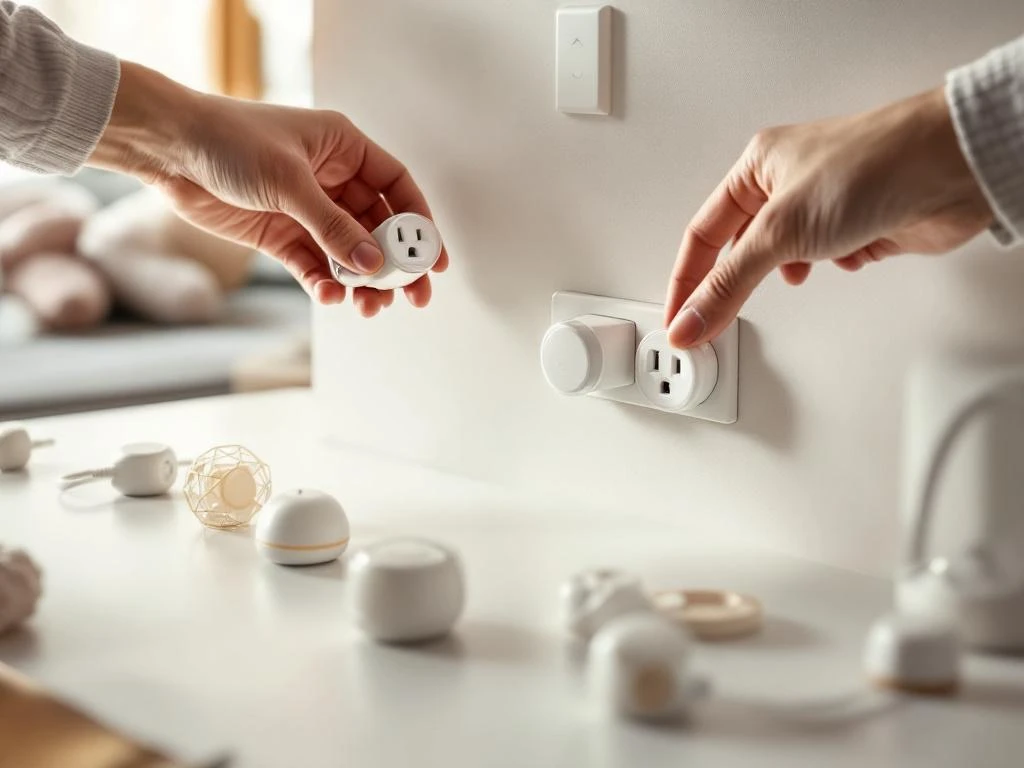
Child safety products such as outlet covers, cord covers, and cable management solutions are important for making your home safe. Install plastic plugs or twist-lock outlet covers in all low-placed outlets that children can reach. Preferably choose twist-lock models that require two simultaneous movements to open.
There are several effective solutions for cords and cables:
- Use cable ducts along walls to conceal cables
- Place electrical appliances high up or behind cabinets
- Invest in furniture with built-in cable management
- Use cable boxes to conceal branch outlets and transformers
Organize cables so that they do not hang down where children can reach them. Tape cords along baseboards or use special cable clips. For appliances that are not used regularly, unplug them completely and store the cords safely.
Which electrical appliances require extra attention when you have children?
Household appliances such as stoves, microwaves, hair dryers, and chargers require special care when there are children in the home. Stoves pose a major risk with hot surfaces and open flames. Install stove locks and knob covers to prevent children from turning on the stove or oven.
Microwave ovens should be placed out of reach of small children, preferably above counter height. Many models have child locks that block all functions. Hair dryers and other bathroom appliances are particularly dangerous due to the combination of electricity and water. Store these in locked cabinets when not in use.
Chargers for phones and tablets pose a growing risk. Children can get electric shocks from faulty chargers or injure themselves on chewed-up cables. Only use original chargers and regularly check that the cables are intact. Teach older children to always unplug chargers when they are not in use.
Other appliances that require attention include irons, coffee makers, and vacuum cleaners. Establish routines for always unplugging appliances after use and storing them safely.
What should you consider when it comes to electrical installations and fuses?
Earth leakage circuit breakers, modern fuses, and professionally installed electrical systems are essential for child safety in the home. Earth leakage circuit breakers detect leakage currents and cut off the power supply within milliseconds, which can save lives in the event of an electrical accident. All modern homes should have earth leakage circuit breakers installed.
Ensure that your home has updated fuses that can handle today's electrical needs. Old screw-in fuses should be replaced with modern automatic fuses that provide better protection. An overheated electrical system increases the risk of fires and electric shocks.
Modern electrical safety systems can also include fire alarms connected to the electrical system and backup power for safety systems. These systems work together to detect problems early and protect your family.
Contact a licensed electrician for a safety upgrade if:
- Fuses trip regularly
- Outlets or switches feel warm
- You notice a burning smell coming from electrical installations
- The home lacks a ground fault circuit interrupter.
- The electrical installation is more than 30 years old.
How 24 Center helps with electrical safety for families with children
We understand that children's safety is the most important thing for all parents, and our qualified electricians specialize in making homes electrically safe for families. Our technicians will help you identify risks and install modern safety solutions that protect your children around the clock.
Our electrical safety services for families with children include:
- Installation of earth fault circuit breakers and modern automatic fuses
- Upgrading old electrical installations to current safety standards
- Safety inspection of existing electrical installations
- Installation of child safety solutions for electrical outlets
- Repair of defective sockets and switches
- Emergency electrical repairs when safety is at risk
We offer both emergency services when electrical safety issues are discovered and planned safety upgrades. Our technicians have in-depth knowledge of child safety and can provide specific advice for your home. With our 24/7 service, we are always available when you need us most.
Ring 020 74 24 70 för omedelbar hjälp med elsäkerhetsfrågor eller boka online för en säkerhetsinspektion av ditt hem. Vi hjälper dig att skapa en trygg miljö där dina barn kan växa upp säkert.
Frequently asked questions
How often should you check the child safety devices in your home?
Check child safety products such as outlet covers and cord covers at least once a month. Children grow quickly and can develop new ways to circumvent safety measures. Replace worn or damaged products immediately and upgrade safety solutions as children get older and more inventive.
What should you do if a child receives an electric shock despite safety precautions?
Call 911 immediately if the child is unconscious or has difficulty breathing. In the case of minor electric shocks, check that the child is conscious and examine them for burns. Always contact a doctor for assessment, even in minor incidents, as internal injuries may occur without visible signs.
Can you install child safety products yourself, or do you need an electrician?
You can install simple child safety products such as socket covers and cable boxes yourself. For more advanced solutions such as earth leakage circuit breakers, new sockets, or electrical installations, you will need to hire a licensed electrician. Avoid making your own changes to the electrical system, as this can create new safety risks.
What signs indicate that your home needs a professional electrical safety inspection?
Contact an electrician if you notice hot outlets, flickering lights, a burning smell from electrical installations, or fuses that trip frequently. Even if your home is more than 20 years old or does not have a ground fault circuit interrupter, an inspection should be carried out. This is especially important if you have small children, who are particularly vulnerable to electrical accidents.
How can you teach children about electrical safety in an age-appropriate way?
For young children (2-5 years), use simple rules such as 'do not touch sockets' and 'toys and water must not come into contact with electricity'. Older children (6-12 years) can learn basic safety rules such as always having dry hands when handling electricity and telling adults about damaged cables. Use pictures and simple explanations rather than frightening descriptions.
Are there special electrical safety requirements for children's rooms and play areas?
Yes, children's rooms should have extra outlet covers and all cords should be hidden or permanently attached. Avoid extension cords in play areas and place night lights and charging stations out of reach. Also, make sure that all electric toys are CE marked and age-appropriate, and that they are regularly inspected for damage.