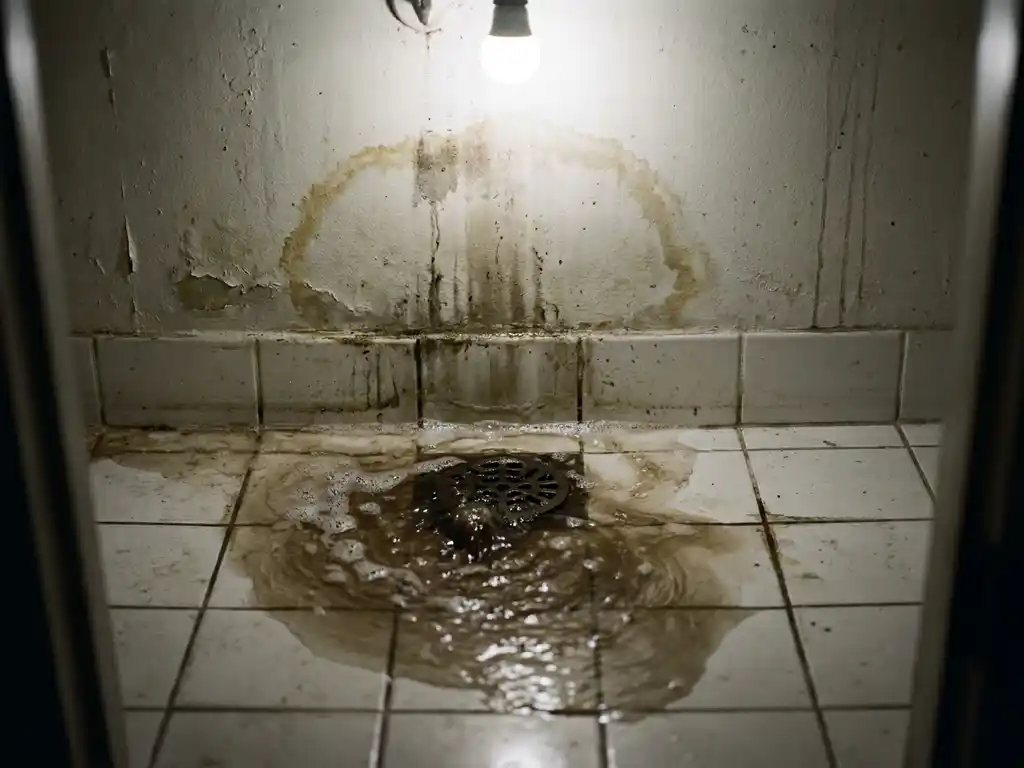

Mold in bathrooms is a common problem that occurs when moisture and poor ventilation create ideal conditions for mold growth. To prevent mold, you need to control humidity through good ventilation, daily drying routines, and quick action in the event of water leaks. Effective mold prevention is about keeping surfaces dry and ensuring constant air circulation.
What causes mold in the bathroom and why is it so common?
Mold in bathrooms occurs when high humidity is combined with poor ventilation and constant moisture accumulation on surfaces. Bathrooms naturally generate moisture through showering, bathing, and use of sinks, which makes the humidity significantly higher than in other rooms.
Temperature differences between warm showers and cold walls create condensation that sticks to tiles, grout, and ceilings. This moisture provides mold fungi with ideal growing conditions, especially in corners and areas with limited air circulation.
Bathrooms often lack windows or have limited natural ventilation, making it difficult for moisture to escape. Old ventilation systems or broken fans exacerbate the problem by not effectively removing humid air.
Moisture damage from leaking pipes, poor joints, or leaky shower corners creates hidden areas of moisture where mold can grow undisturbed. This makes bathrooms the most vulnerable room in the home for mold problems.
How does ventilation work to prevent mold in the bathroom?
Bathroom ventilation works by removing humid air and replacing it with drier air from outside. Mechanical ventilation with fans is most effective for controlling humidity and preventing mold growth.
Ventilation systems extract humid air through ventilation ducts and create negative pressure that draws in fresh air. For best results, the fan should be running during showering and for at least 30 minutes afterwards to remove all excess moisture.
Natural ventilation through windows helps, but is rarely sufficient to handle all the moisture from showering. Cross ventilation, where air flows in through one opening and out through another, significantly improves air circulation.
Modern ventilation systems may have humidity sensors that automatically start the fan when the humidity rises. Timer functions ensure that ventilation continues long enough after use to dry out the bathroom completely.
Ventilation solutions for different bathrooms
- Ceiling fans for efficient extraction of warm, humid air
- Wall-mounted fans when ceiling installation is not possible
- Exhaust ventilation connected to the house's ventilation system
- Window ventilation as a complement to mechanical ventilation
What are the most important daily routines for keeping the bathroom dry?
Daily drying routines are crucial for moisture protection and mold prevention. Wipe down shower walls, doors, and floors immediately after each shower to prevent water from collecting on surfaces where mold can grow.
Hang towels up so that they can dry properly between uses. Damp towels that are folded up or left on the floor contribute to increased humidity and can develop mold themselves.
Use shower curtains or shower screens correctly to prevent water splashing outside the shower area. Leave the shower curtain hanging out after showering so that it can dry and avoid creases where water can collect.
Check and dry areas around sinks, toilets, and other water sources daily. Small pools of water that are ignored become breeding grounds for mold spores that are naturally present in the air.
Effective daily routines
- Dry shower walls and doors with a rubber squeegee or towel
- Hang towels out flat for optimal drying
- Keep the bathroom door open when possible for better air circulation.
- Check for and wipe up any puddles of water on the floor.
- Use the bathroom fan every time you shower or bathe.
What should you do if you have already discovered mold in your bathroom?
When you discover mold in your bathroom, act quickly to prevent it from spreading. Clean small areas of mold immediately with a mold remover or a solution of water and dish soap.
Wear protective gear like gloves and a mask when cleaning mold. Make sure the room is well ventilated while you clean, and keep mold spores from spreading to other parts of your home by closing doors to nearby rooms.
Identify and fix the source of moisture behind the mold problem. It's not enough to just clean visible mold—you need to eliminate the moisture problem that caused the mold growth in the first place.
Contact a professional for help with extensive mold problems, mold on large surfaces, or if the mold problem recurs despite cleaning. Hidden moisture problems from pipe leaks often require specialist knowledge to detect and repair.
Steps for mold management
- Document the size and location of the mold area
- Clean small areas (less than 1 square meter) yourself using suitable cleaning agents.
- Investigate and remedy the cause of moisture (poor ventilation, leaks)
- Check the area regularly for recurring mold
- Seek professional help for extensive or recurring problems
How 24 Center helps with moisture and ventilation problems
At 24 Center, we solve moisture problems in bathrooms through professional plumbing services and ventilation solutions. Our technicians identify and repair leaking pipes, install effective ventilation systems, and remedy moisture damage that causes mold problems.
Our services for moisture and ventilation problems include:
- Installation and repair of bathroom fans and ventilation systems
- Locating and repairing hidden water leaks
- Emergency assistance in the event of water leaks that may cause moisture damage
- Repair of plumbing installations that contribute to moisture problems
- Advice on preventive measures for long-term moisture protection
We offer service around the clock, every day of the year, because moisture problems and water leaks don't wait for office hours. Our local technicians are familiar with the building stock in your area and can quickly identify common moisture problems.
Kontakta oss på 020 74 24 70 för omedelbar hjälp vid akuta fuktproblem eller boka online för planerade ventilationsinstallationer och förebyggande underhåll.
Frequently asked questions
How do I know if my bathroom fan is effective enough?
An effective bathroom fan should be able to significantly reduce humidity within 15-20 minutes after showering. Test this by holding a sheet of paper against the fan—it should stick firmly. If mirrors are still fogged up or moisture lingers for longer than 30 minutes, you probably need to upgrade to a more powerful fan or check whether the ventilation ducts are blocked.
Which areas of the bathroom are most prone to hidden mold growth?
Behind tiles, under flooring, around pipe stems, and in wall cavities are common places for hidden mold. Regularly check the joints around bathtubs and shower stalls, the area under the sink, and behind the toilet. Odor problems, discoloration on walls, or soft/mushy surfaces may indicate hidden moisture and mold growth that requires professional investigation.
How often should I clean and maintain the bathroom fan?
Clean the fan grille monthly by dusting or gently washing it. Check that the fan is running quietly and efficiently—unusual noises may indicate that it needs servicing. Have a professional inspect the entire ventilation system annually, including ducts and motor, to ensure optimal performance and prevent moisture problems.
What should I do if mold returns even though I follow all the preventive advice?
Recurring mold usually indicates an underlying moisture problem that has not been addressed, such as hidden water leaks, inadequate ventilation, or structural moisture issues. Contact a plumbing expert or moisture specialist for a professional investigation. They can use moisture meters and thermal cameras to identify hidden causes of moisture that are not visible to the naked eye.
Can I install a bathroom fan myself, or do I need to hire an electrician?
Replacing an existing fan with the same type can often be done yourself if you have basic knowledge of electrical installations. However, installing a new fan, laying new electrical cables, or connecting to a ventilation system requires a qualified electrician in accordance with Swedish electrical regulations. Always contact a professional for safe installation and to avoid problems with insurance and warranty.
How long should the bathroom fan run after showering for best results?
Leave the fan running for at least 30-60 minutes after showering, depending on the size of the bathroom and the amount of moisture. Modern fans with humidity sensors switch off automatically when the humidity has returned to normal. As a rule of thumb, the hotter and longer the shower, the longer the fan needs to run to remove all excess moisture from the air and surfaces.