Preventing electrical faults in your home involves regular checks, maintenance and awareness of warning signs. Old electrical installations, overloading and moisture damage are common causes of electrical problems that can be prevented by simple measures and professional help when needed.
What are the most common causes of electrical faults in the home?
The most common causes of electrical faults in the home are old electrical installations, overloading of circuits, moisture damage and wear and tear of components. Installations older than 30 years often have insufficient capacity for the electricity needs of modern households and may contain outdated safety components.
Overloading occurs when you connect too many appliances to the same circuit, which can lead to overheating and fire. This problem is particularly common in older homes where the electrical installation was not designed for today's electronics and household appliances.
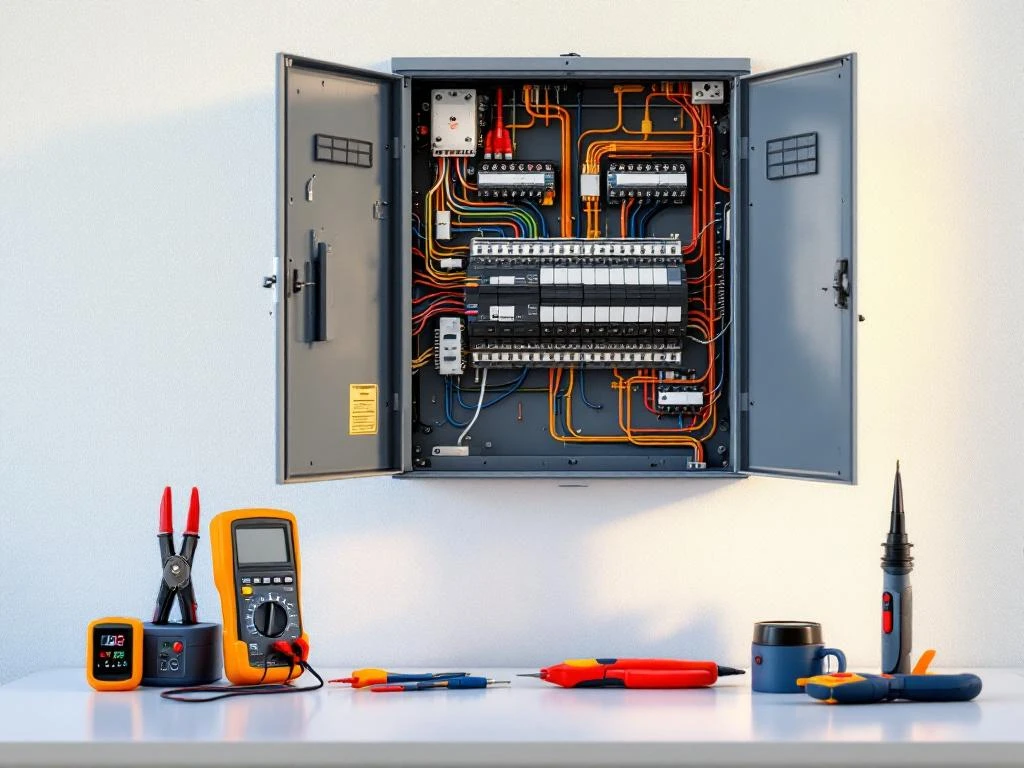
Moisture damage often occurs in basements, bathrooms and kitchens where water can penetrate electrical sockets and junction boxes. Moisture combined with electricity creates corrosion and short-circuit risks. Wear and tear on cables and sockets is also a significant risk factor, especially where cables are exposed to mechanical stress or temperature fluctuations.
What warning signs should you look out for?
Early warning signs of electrical problems include flickering lights, heat build-up from outlets, foul odors from electrical cabinets, and fuses that blow frequently. These symptoms require immediate attention to prevent more serious damage.
Flickering or dimming lights when starting appliances indicate overload or bad contacts. Sockets that become warm or feel hot after use signal overloading or defective components. A burning smell from electrical cabinets or outlets may indicate overheating of cables or components.
Other warning signs are electric shocks from appliances, crackling sounds from sockets or switches, and fuses that blow repeatedly for no apparent reason. Also notice if some rooms have dim lighting or if appliances are malfunctioning, which may indicate voltage drops or bad contacts.
How often should you inspect the electrical installation in your home?
Electrical installations should be professionally inspected every five years in detached houses, while homeowners should carry out basic checks on a monthly basis. Older installations may need more frequent follow-up, especially if they are over 20 years old.
As a homeowner, you can check monthly that all sockets and switches are working normally, that no cables are damaged and that the electrical cabinet is clean and free of moisture. Test earth leakage switches by pressing the test button to ensure they are working properly.
Professional inspection should include measuring insulation resistance, checking earthing and safety features. In case of renovation or if you notice any warning signs, contact an electrician immediately. Document all inspections to keep track of the condition of the installation over time.
What can homeowners do themselves to prevent electrical faults?
Homeowners can prevent electrical faults by avoiding overloading, keeping electrical cabinets clean and dry, regularly checking cables and cords, and following basic safety tips. These simple measures significantly reduce the risk of electrical problems.
Avoid plugging too many appliances into the same socket or power strip. Distribute electricity consumption over different circuits and never use damaged cords or sockets. Keep the electrical cabinet free of dust, cobwebs and moisture by regular cleaning.
Check regularly that cords are not pinched, twisted or damaged. Replace old extension cords and avoid running cables under rugs or through doorways. Use only approved electrical products and follow the manufacturer's instructions for installation and use.
How 24 centers help with electrical safety in the home
At 24 Center, we offer comprehensive electrician services to ensure your home's electrical safety around the clock, every day of the year. Our qualified electricians handle everything from emergency electrical faults to preventive maintenance and safety upgrades.
Our services include:
- Emergency hotline for immediate assistance in case of power failures and safety hazards
- Regular safety inspections of electrical installations
- Installation of modern security systems and earth leakage protection
- Upgrading old electrical installations to current safety standards
- Installation of electrical locking and alarm systems
- Repair and replacement of electrical cabinets, sockets and fuses
With our local focus and extensive network of specialists, we can quickly identify and fix electrical problems before they become dangerous. Our technicians have in-depth knowledge of different building types and can give you concrete advice to prevent future electrical faults.
Call 08 40 24 240 for immediate assistance with emergency electrical problems or book online for scheduled safety inspections and upgrades to your electrical installation.
Frequently asked questions
How do I know if my electrical installation needs a complete upgrade?
If your electrical installation is more than 30 years old, lacks earth leakage switches, has ceramic fuses instead of circuit breakers, or you frequently experience fuse trips and voltage drops, you should consider a complete upgrade. An electrician can make a full assessment and recommend which parts need to be replaced to meet current safety standards.
How much does it cost to replace an old electrical installation in a house?
The cost of replacing the electrical installation varies depending on the size of the villa and the complexity of the installation, but is usually between €80 000-150 000 for an average villa. The price includes a new electrical cabinet, wiring, sockets, switches and earth leakage switches. A quote from a qualified electrician will give you an accurate cost picture based on your specific needs.
Can I change sockets and switches myself to save money?
No, according to Swedish law, all fixed electrical installations must be carried out by a qualified electrician. This includes replacing sockets, switches and connecting permanently installed lighting. Only simple work such as replacing lamps and connecting appliances to existing sockets may be done by homeowners. Carrying out electrical work without authorization can be dangerous and negatively affect your home insurance.
How often should the RCDs be tested and what happens if they do not work?
RCDs should be tested monthly by pressing the test button - the breaker should then trip immediately. If it does not respond or if it trips spontaneously for no reason, it must be replaced by an electrician. A faulty RCD provides no protection against electrical accidents and can be fatal, so this is not something that can wait.
Which electrical appliances draw the most power and can cause overloads?
Appliances that heat or cool draw the most power: electric heaters (1500-2000W), kettles (2000W), microwaves (800-1200W), vacuum cleaners (1200-2000W) and hairdryers (1500-2000W). Avoid using several such appliances at the same time on the same circuit. Spread the use over the day or connect to different sockets on different circuits to avoid overloading.
What should I do if there is a burning smell from the electrical cabinet or an outlet?
Turn off the power immediately through the main switch, leave the area and contact an electrician urgently. Never use the affected outlet or electrical cabinet again until it is checked and repaired. Burning odors from electrical installations indicate overheating that can lead to fire, so this requires immediate professional help.
Are there any modern safety solutions that can prevent electrical faults?
Yes, modern solutions include the Arc Fault Detection Device (AFDD) that detects arcing in cables, smart cabinets with remote monitoring, and advanced earth leakage switches with selectivity. Surge protectors protect sensitive electronics and smoke alarms with smoke detection provide early warning. These systems can be integrated with existing installations for enhanced safety.