
Replacing a toilet seal is a common plumbing repair that you can do yourself with the right tools and knowledge. A defective seal often causes water leaks, bad odors, or loose connections between the toilet bowl and the floor. The process requires turning off the water, removing the toilet, and installing a new sealing ring. With the right preparation, you can carry out the repair safely and save both time and money.
What tools do you need to replace the seal on the toilet?
You will need wrenches, a screwdriver, a new sealing ring, rubber gloves, and cleaning agents to replace the seal. These basic tools are often found at home or can be purchased at a hardware store. A complete tool list will help you avoid interruptions during the work.
In addition to the basic tools, you will also need a bucket for water, old towels for drying, and possibly a scraper to remove old sealant residue. The sealing ring must match your toilet model – take the old ring with you to the store to ensure you get the right size. Some toilet seals require special tools depending on the mounting system.
Remember to turn off the main water valve before you start and have the phone number of a plumber handy in case something goes wrong. Proper preparation makes the difference between a successful repair and a major plumbing problem.
How do you know when it's time to replace the toilet seal?
Water leakage around the base of the toilet, unpleasant odors from the floor, or visible cracks in the seal are clear signs that the seal needs to be replaced. These symptoms indicate that the seal no longer provides a secure seal between the toilet and the drain.
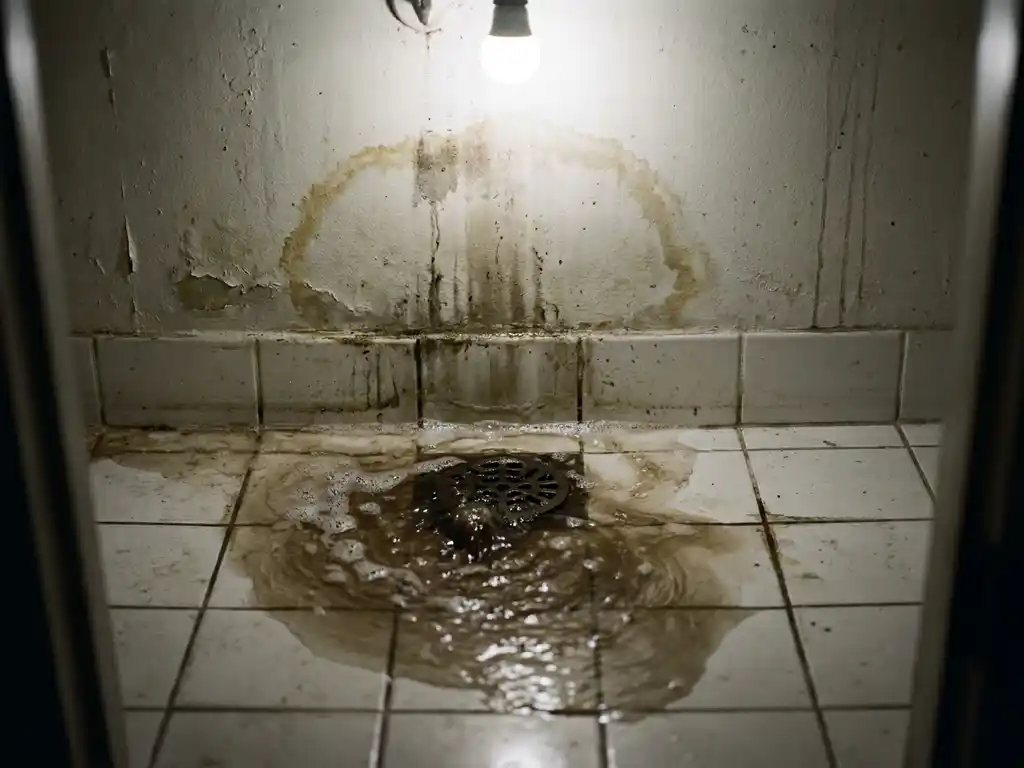
Other warning signs include the toilet feeling loose or wobbly when you sit on it, dark spots or moisture damage on the floor around the toilet, or gurgling noises coming from the drain. If you find that toilet repairs are needed regularly, this may indicate that the underlying problem is a broken sealing ring.
Also check for sewer gas odors in the bathroom, especially near the toilet. This can be hazardous to your health and requires immediate attention. A faulty toilet seat seal can cause both structural damage to the floor and health problems if not addressed in a timely manner.
What is the step-by-step process for replacing a toilet seat seal?
Turn off the water, flush the toilet, loosen the screws, and lift the toilet to access the old seal. These are the first critical steps to safely replace the seal. Be careful when lifting the toilet, as it is heavy and fragile.
Continue by scraping away any residue from the old toilet seal from both the toilet base and the floor. Clean the area thoroughly with disinfectant before installing the new sealing ring. Place the new seal centered over the drain hole and carefully lower the toilet back into place.
Tighten the screws evenly and gradually to avoid cracking the porcelain. Reconnect the water supply and test by flushing several times while checking for leaks. Leave the toilet for a few hours before using it regularly to ensure that the seal settles properly.
What common problems can arise when replacing a seal yourself?
Incorrect installation, damage to the toilet, or leaks after installation are the most common problems encountered when performing toilet maintenance at home. These complications can lead to greater damage and more expensive repairs if not handled correctly.
A common mistake is to tighten the screws too much, which can crack the porcelain or deform the seal. If the sealing ring is placed at an angle or if old residues are not cleaned away properly, water leakage from the toilet may continue even after the repair. Some people also discover that the drain pipes are damaged only when the toilet is removed.
If you encounter problems such as rusty screws that cannot be loosened, uneven floors that affect the seal, or signs of major plumbing damage, you should contact a professional plumber. Continuing on your own can aggravate the situation and lead to significantly higher costs.
How 24 Center assists with toilet and plumbing repairs
At 24 Center, we offer professional plumbing services around the clock for all types of toilet problems and water installations. Our qualified plumbers handle everything from emergency water leaks and seal replacements to more complex plumbing repairs with guaranteed results.
Our services include:
- Emergency toilet repairs and seal replacements
- Professional installation of new toilet seats
- Repairing water leaks and sewage problems
- Complete plumbing maintenance for homes and properties
- 24/7 on-call service for emergencies
With our nationwide network of local technicians, we ensure fast response times and accurate service. Our HVAC specialists are familiar with the local building stock and can quickly solve both simple and complex problems.
Kontakta oss på 020 74 24 70 för omedelbar hjälp med toalettproblem eller boka online för planerade VVS-arbeten. Vi hjälper dig att få en långsiktig lösning på ditt VVS-problem.
Frequently asked questions
How long does a new toilet seat seal last?
A quality seal normally lasts 20-30 years with normal use. Factors such as water quality, frequency of use, and installation quality affect its lifespan. Check the seal annually to detect problems early and avoid major damage.
Can I use the toilet immediately after replacing the seal?
It is best to wait 2-4 hours after installation before using the toilet regularly. This gives the seal time to settle properly and create a secure seal. Test with gentle flushes first and check for leaks.
How much does it cost to have a plumber replace a toilet seat seal?
The cost varies between SEK 1,500 and SEK 3,000 depending on the complexity and region. This includes labor costs, materials, and any cleaning. Compared to doing it yourself (cost approx. SEK 200-500 for materials), you get professional installation and a warranty on the work.
How do I know what size sealing ring to buy?
Take the old sealing ring with you to the hardware store to ensure you get the right size. Standard sizes are most common, but older toilets may have different dimensions. Also measure the diameter of the drain pipe (usually 110 mm) and check the toilet model number if possible.
What should I do if the toilet continues to leak after replacing the seal?
First, check that all screws are properly tightened and that the seal is centered. If the leak continues, the problem may be damaged drain pipes, uneven flooring, or a defective toilet. Contact a plumber for a professional diagnosis before the damage worsens.
Can I replace the seal on an old toilet from the 1970s?
Yes, but older toilets may have different fasteners and seal sizes that require special parts. Check that the porcelain is intact and that the screws can be loosened without damaging the toilet. Consider upgrading to a modern, more water-efficient model if the repair costs are high.